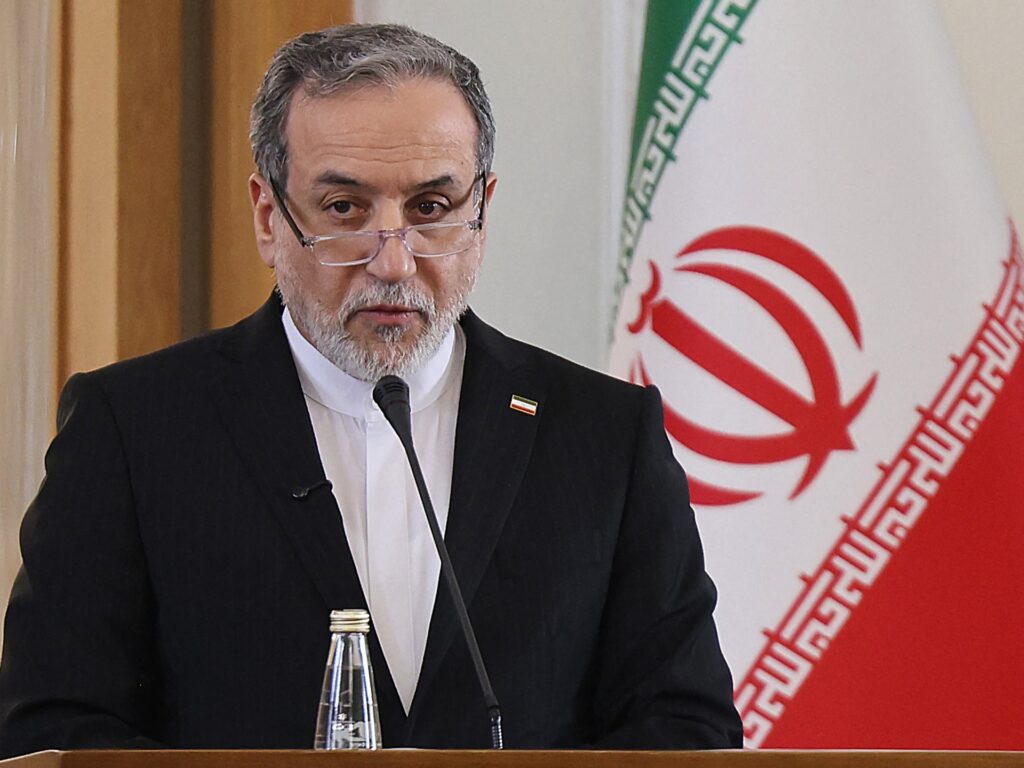
Iran’s Foreign Minister Abbas Araghchi has firmly stated that missile discussions are “non-negotiable” and will not be part of ongoing talks with the United States. The focus of the negotiations, he emphasized, will strictly remain on the nuclear issue, rejecting any attempts to link the country’s missile programme with the dialogue.
This stance by Iran highlights a significant point of contention in the diplomatic engagements aimed at resolving nuclear concerns. Iran’s missile program has been a persistent area of international scrutiny and sanctions, but Tehran insists that it is a sovereign defense matter, separate from the nuclear negotiations.
The US and its allies have often pressed Iran to curb its missile capabilities alongside its nuclear activities, citing regional security and stability. However, Iran maintains that its missile program is defensive and not subject to negotiation in the nuclear talks.
Araghchi’s comments reiterate Iran’s position that the nuclear discussions should concentrate exclusively on Tehran’s nuclear enrichment activities and related commitments under international agreements. This demarcation is critical for Iran to protect its military capabilities while engaging in talks targeted at lifting sanctions and normalizing relations.
Analysts note that Iran’s refusal to include missiles in the dialogue could complicate broader security discussions but underscores the country’s prioritization of its strategic defense assets as untouchable. The US response to this insistence remains cautious, balancing the desire for progress on nuclear issues with broader regional security concerns.
The ongoing discussions mark a crucial phase in efforts to revive and enforce agreements intended to prevent nuclear proliferation in the Middle East. Iran’s clear message on missile non-negotiability sets the boundaries for what the country deems acceptable in the negotiation framework.
This development reflects the complex nature of US-Iran diplomacy, where nuclear issues are intricately linked with military capabilities, regional politics, and international security priorities. Both sides navigating these talks will have to reconcile divergent views to find common ground, particularly on matters deemed non-negotiable by Iran.
In summary, Abbas Araghchi’s declaration that missiles are “off the table” in talks with the US signals Iran’s unwavering stance to separate its missile program from nuclear discussions, focusing solely on the nuclear dossier for negotiations. This approach shapes the trajectory and limits of diplomatic efforts to address longstanding tensions between the two nations.