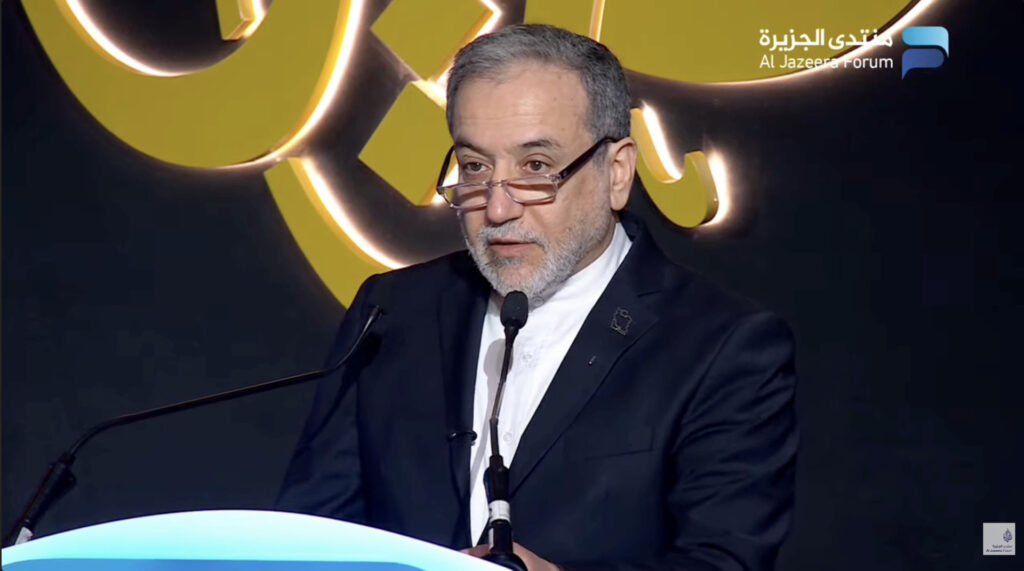
Iran’s Foreign Minister Abbas Araghchi has vocally condemned what he describes as the hypocrisy surrounding Israel’s ongoing military expansion. In a recent statement, Araghchi highlighted the double standards that, according to him, permit Israel to increase its military capabilities without facing significant international backlash or restraint.
The Iranian official’s criticism reflects longstanding tensions between Iran and Israel, two nations with a history of mutual distrust and rivalry in the Middle East. Iran has repeatedly expressed concerns over Israel’s military activities, viewing them as destabilizing threats to regional security and peace.
Araghchi’s statement comes at a time when Israel is reportedly advancing its military infrastructure and armament, moves seen by critics as efforts to strengthen its defense capabilities amid ongoing regional conflicts and security challenges. These developments have drawn mixed reactions internationally, with some countries calling for restraint and others appearing more supportive or neutral.
According to Abbas Araghchi, the international community’s lenient stance on Israel’s military build-up contrasts sharply with the scrutiny and sanctions imposed on other countries pursuing similar enhancements. He contended that this double standard undermines the credibility of international law and global security frameworks.
The Iranian Foreign Minister emphasized that such hypocrisy not only exacerbates regional tensions but also fuels instability and mistrust among different states. Iran has often positioned itself as a defender of sovereignty and an advocate for equal treatment of nations under international law, which it argues is not afforded to Iran itself.
In his remarks, Araghchi called on global players to adopt a more balanced and fair approach to security issues in the Middle East. He urged the international community to apply consistent standards regarding military expansions and to address the underlying causes of insecurity rather than selectively targeting certain countries.
The issue of military expansion in the Middle East remains a sensitive and contentious topic, with Israel’s actions frequently scrutinized against the backdrop of its ongoing conflicts with neighboring countries and groups. Iran’s vocal opposition to Israeli military growth reflects broader geopolitical rivalries and competing narratives about security and power in the region.
As tensions persist, diplomats and analysts continue to monitor developments closely, considering their implications for peace prospects and the stability of the Middle East. Araghchi’s critique adds a significant voice to the ongoing debate about fairness, sovereignty, and security in one of the world’s most volatile regions.