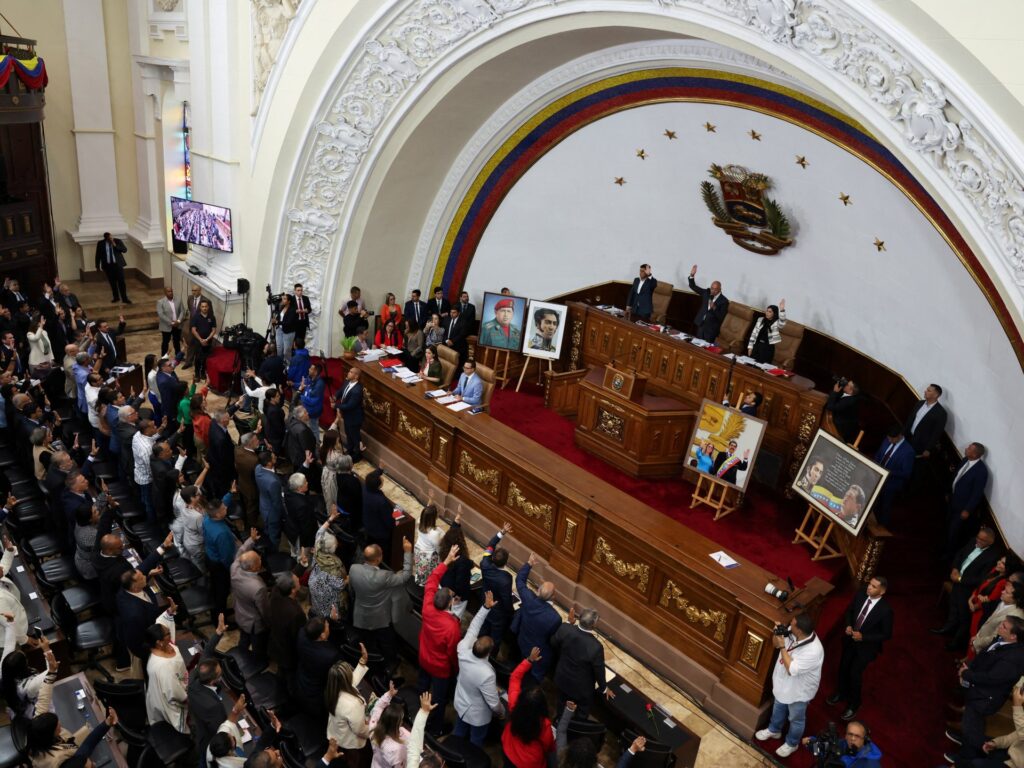
Venezuela has taken a significant step towards addressing its political crisis by passing an amnesty bill aimed at political prisoners. The bill, which passed the first of its two required votes, offers clemency to members of the opposition and protesters who have been charged with crimes under the government of President Nicolás Maduro. This move represents an important development in the nation’s ongoing efforts to ease political tensions and promote reconciliation.
The proposed amnesty focuses on individuals who have been detained due to their roles in opposition activities, protests, and political dissent against Maduro’s administration. By granting clemency, the government hopes to release these political prisoners, potentially improving Venezuela’s international relations and signaling a willingness to engage in dialogue with opposition forces.
Over the past several years, Venezuela has experienced deep political polarization and unrest. Many opposition leaders and activists have faced prosecution, imprisonment, or exile, raising concerns from human rights organizations and foreign governments about political repression and the state of democracy in the country.
The amnesty bill comes at a critical moment, as Venezuela continues to struggle with severe economic challenges, shortages of basic goods, and a humanitarian crisis. The release of political prisoners could help reduce tensions and foster a climate conducive to political negotiations and reforms.
The legislation requires a second vote to become law, and its passage is being closely watched by domestic and international observers. Supporters argue that the bill is a necessary step to restore justice and pave the way for national unity. Critics, however, caution that an amnesty alone may not resolve deeper systemic issues nor address ongoing concerns about governance and human rights.
President Maduro’s government has faced sanctions and criticism from multiple countries, and the amnesty could be seen as an attempt to improve Venezuela’s image on the global stage. Meanwhile, opposition groups have expressed cautious optimism, seeing the bill as a potential opening for further political dialogue.
The decision to pass the bill reflects both internal pressures and external diplomatic efforts to resolve Venezuela’s protracted political crisis. Releasing political prisoners could soften opposition rhetoric and present a moment of compromise amid years of conflict.
As Venezuela prepares for the second vote on the amnesty bill, the eyes of the world remain focused on the country’s next steps. The outcome will likely influence not only the future of those detained but also the broader trajectory of Venezuelan politics and the possibility of national reconciliation.
In conclusion, Venezuela’s approval of the amnesty bill in the first of two votes marks a hopeful yet tentative advance in the nation’s search for political resolution. The bill promises clemency for opposition members and protestors charged under Maduro’s government, offering a potential pathway to easing longstanding divisions and fostering a more inclusive political environment.