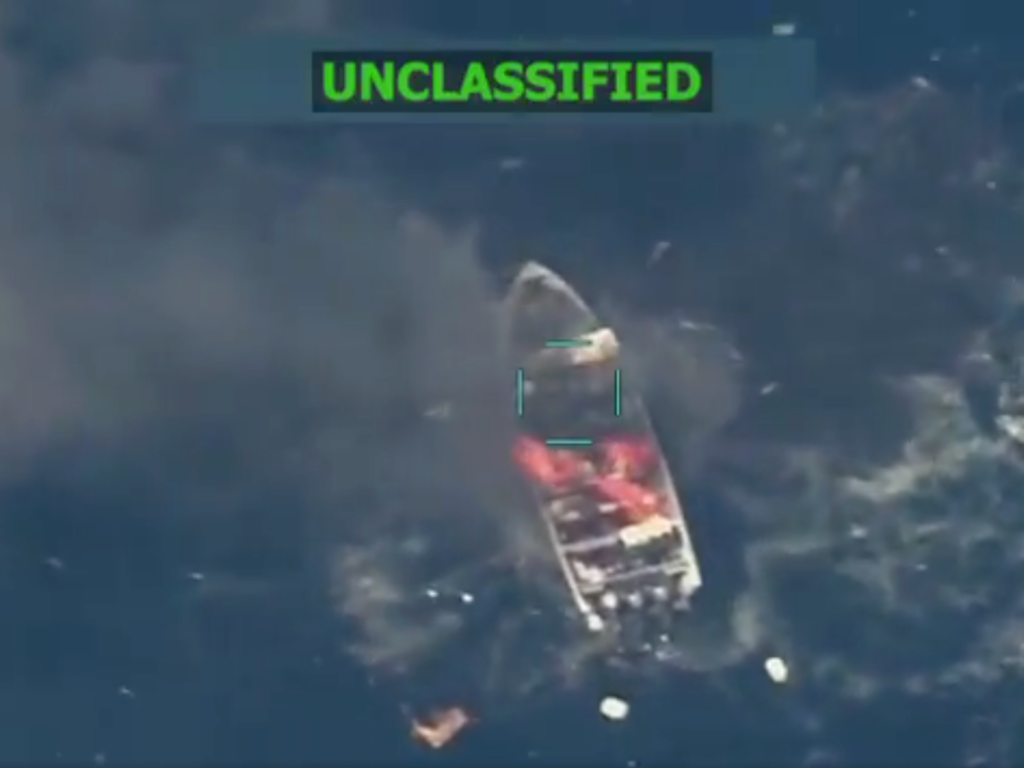
In the latest development in the ongoing tensions in the Pacific region, the US military has conducted a strike on a vessel, resulting in the death of two individuals. This incident has further intensified the already volatile situation in the area and has drawn strong reactions from various global actors.
According to official US military sources, the operation targeted a vessel suspected of involvement in activities deemed a threat to maritime security. The strike was executed with precision, but it unfortunately resulted in the deaths of two people on board the targeted vessel.
This event marks the continuation of a campaign by the United States aimed at curbing hostile activities in the strategically crucial Pacific Ocean. The US maintains that its actions are necessary to ensure the safety of international shipping lanes and to prevent the escalation of regional conflicts.
However, the campaign has been met with significant criticism. Several countries and international organizations have denounced the US operations as illegal under international law. They argue that such unilateral strikes undermine diplomatic efforts and escalate tensions rather than promote peace and stability.
The targeted vessel’s identity and the affiliations of those killed have not been fully disclosed, pending ongoing investigations. This lack of transparency has fueled further controversy and debate regarding the legitimacy and consequences of the US military actions.
Experts suggest that the Pacific region remains a complex geopolitical hotspot, where strategic interests of major powers frequently clash. The US campaign, while aimed at security, may risk provoking unintended consequences that could destabilize the region further.
Human rights advocates have also raised concerns about the impact of such military operations on civilian lives and maritime commerce. They call for adherence to international laws and greater accountability in the conduct of military strikes.
The US government has promised a thorough review of the incident and has reiterated its commitment to working with international partners to address security challenges in the Pacific. Diplomatic channels remain active to de-escalate tensions and to find a sustainable long-term solution.
As the situation develops, the international community watches closely, aware that the actions unfolding in the Pacific could have far-reaching implications for global peace and security. Continued dialogue and cooperation will be crucial in navigating this complex and sensitive geopolitical landscape.