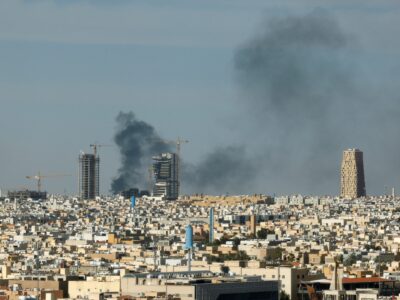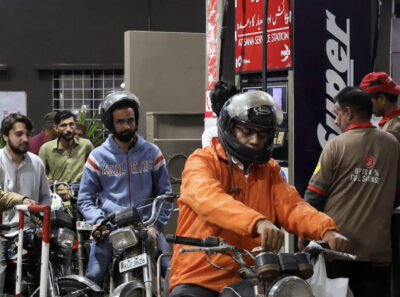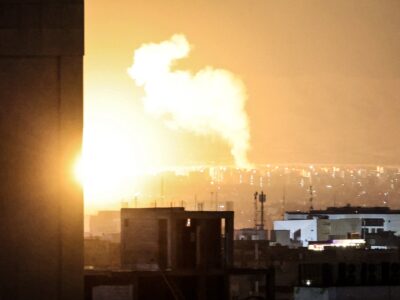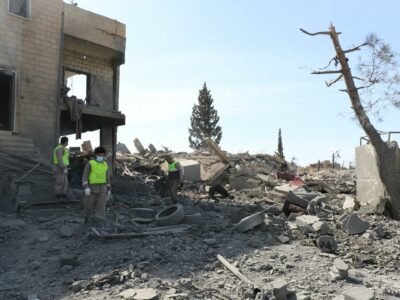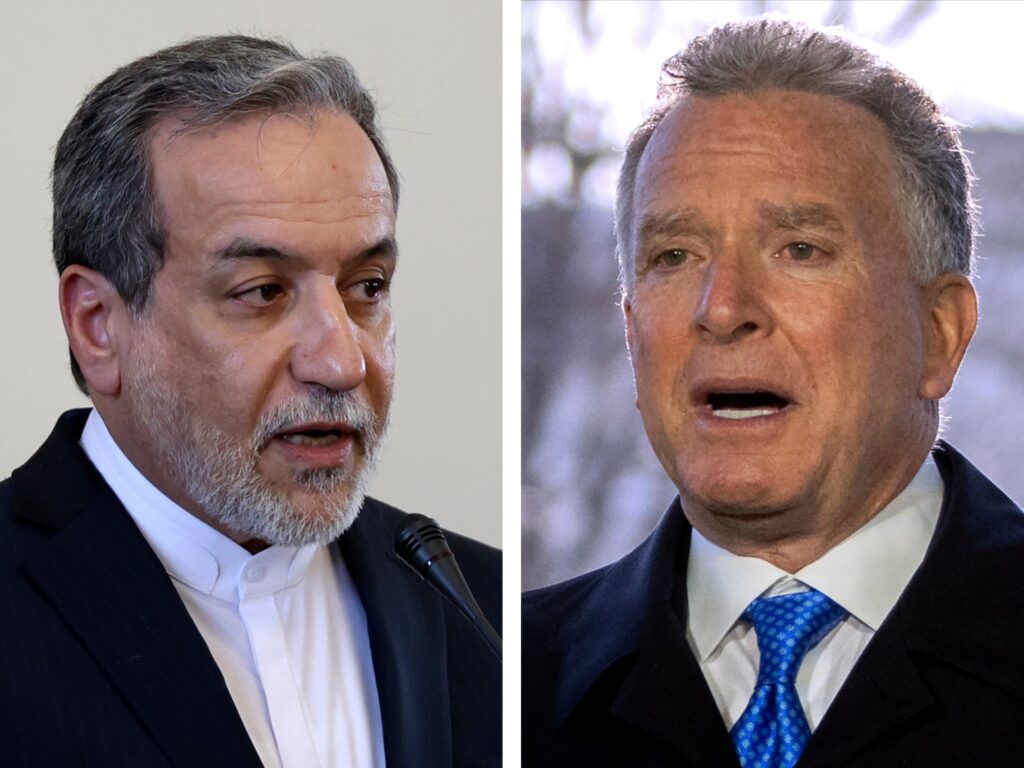
In a pivotal diplomatic move, US and Iranian officials have convened in Muscat, Oman, to engage in critical negotiations aimed at easing escalating tensions in the Gulf region. The talks come amid heightened military activity, including a notable buildup of US forces in the area, raising international concerns about the potential for conflict.
The discussions in Oman mark a significant attempt by both nations to address underlying issues that have strained relations and threaten regional stability. The Gulf, a vital artery for global energy supplies, has been a flashpoint due to ongoing geopolitical rivalries and security concerns.
US officials are seeking assurances from Iran regarding its nuclear ambitions and regional activities, while Iranian representatives aim to discuss sanctions relief and security guarantees. The mutual desire to prevent war has underscored the urgency and importance of these talks.
Diplomats from other countries are closely monitoring the situation, as the outcome of these negotiations could reshape the geopolitical landscape in the Middle East. The international community has largely supported the diplomatic approach, advocating for dialogue over military confrontation.
The talks are expected to continue over the coming days, with both sides demonstrating a willingness to engage in direct communication for the first time in several years. Analysts note that while challenges remain, the fact that negotiations are underway offers a glimmer of hope for de-escalation.
The broader context includes recent attacks on oil facilities and maritime incidents that have exacerbated tensions. These events have prompted calls for increased security cooperation and confidence-building measures between the US and Iran.
In Muscat, the atmosphere is one of cautious optimism, with negotiators emphasizing the shared stakes in maintaining peace and stability. Should these talks succeed, they could open the door to renewed diplomacy and improved relations after a prolonged period of hostility.
Observers highlight that the complexities of the US-Iran relationship require sustained engagement and patience. The current talks may set a precedent for future dialogue aimed at resolving other contentious regional issues.
As the situation develops, the world watches closely, hopeful that diplomacy will prevail and avert the devastating consequences of war. The Muscat negotiations represent a critical juncture in the effort to secure a peaceful and stable Middle East.