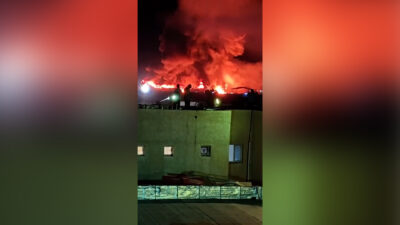
In a significant development related to the 2012 Benghazi attack, the US Attorney General has announced the arrest of Zubayar al-Bakoush, described as a ‘key participant’ in the tragic incident. Al-Bakoush is facing charges connected to the killing of US Ambassador Christopher Stevens and three other US citizens during the attack.
The Benghazi attack, which occurred on September 11, 2012, involved militants targeting the American diplomatic compound and a nearby CIA annex in Benghazi, Libya. The assault led to the deaths of four Americans, including Ambassador Stevens, and sparked extensive investigations and political discourse over diplomatic security and responses.
According to the Attorney General, Zubayar al-Bakoush’s arrest marks a crucial step in the quest for justice for the victims of Benghazi. The charges against him reportedly relate directly to his involvement in the violent attack that shook international diplomatic relations and highlighted vulnerabilities in security operations abroad.
Officials have not fully disclosed details of the arrest or the evidence leading to al-Bakoush’s capture, but the Department of Justice emphasized its commitment to holding accountable those responsible for acts of terrorism against American nationals overseas.
The arrest has been welcomed by families of the victims and US government officials alike as a move towards closure after years of investigations and calls for accountability. It underscores ongoing US efforts to combat terrorism and protect its citizens everywhere.
Zubayar al-Bakoush is expected to face federal charges and will undergo the judicial process to determine his culpability in the Benghazi attacks. Further updates on the case, including potential trials or additional arrests, are anticipated as the investigation continues.
This development reaffirms the US government’s determination to pursue justice for the sacrifices made by Ambassador Stevens and his team, who served at the frontline of American diplomacy in a volatile and dangerous region.
As the case unfolds, underscores the enduring impact of the Benghazi attack on US foreign policy and security protocols, prompting ongoing reviews and reforms aimed at preventing similar tragedies in the future.