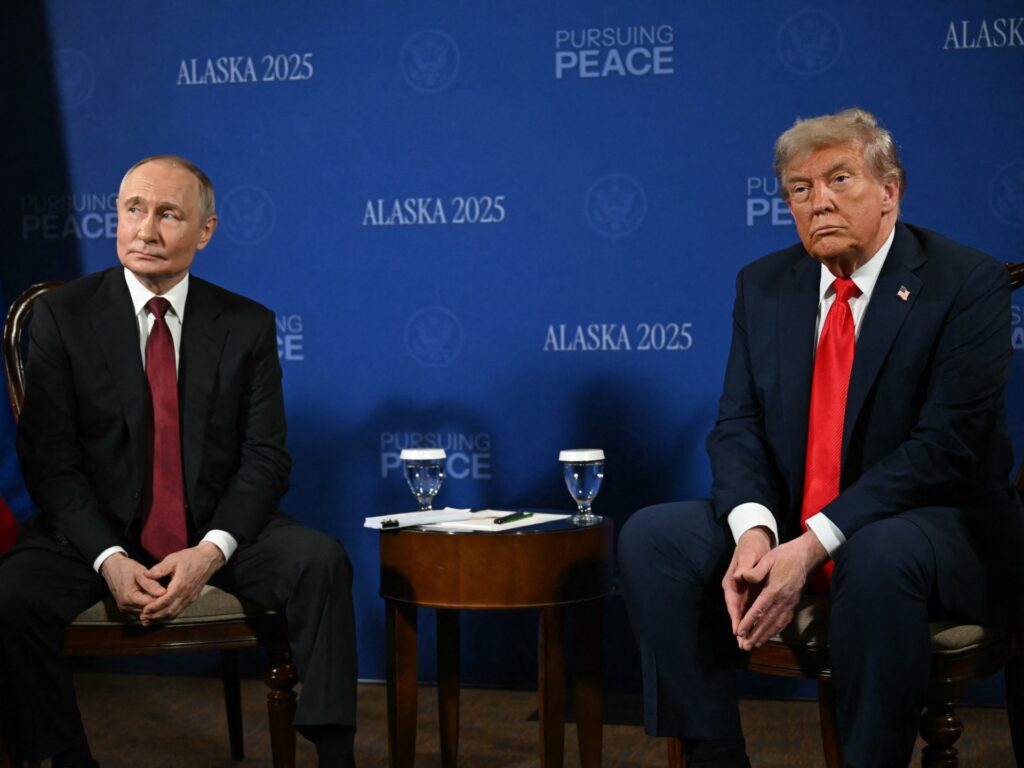
In a significant development concerning global nuclear arms control, US President Donald Trump has reportedly rejected Russian President Vladimir Putin’s request to extend the existing cap on nuclear deployments. Instead of renewing the current framework, President Trump expressed his preference to negotiate a new replacement treaty for the strategic nuclear deployment agreement, which had recently expired.
The original treaty, which functioned as a cornerstone of nuclear arms control between the United States and Russia, put limits on the number of deployed strategic nuclear warheads and delivery systems each country could maintain. Its expiration has caused concern among international observers about a potential increase in nuclear arms competition without clear regulatory constraints.
President Trump’s decision signals a departure from simply prolonging the status quo. By rejecting the extension call from President Putin, Trump appears intent on establishing a new, possibly more comprehensive agreement that might reflect updated strategic realities and advancements in nuclear technology.
This stance highlights a desire from the US administration to recalibrate nuclear arms agreements to ensure a robust and credible deterrence posture while maintaining strategic stability. Negotiations towards a new treaty could encompass broader aspects including verification mechanisms, deployment limits, and potentially integrating new emerging technologies into arms control frameworks.
The Russian response to Trump’s refusal has been cautiously measured, with Kremlin officials expressing hope that dialogue could continue to prevent an unrestricted arms race. Both nations bear substantial responsibilities in shaping the future of nuclear diplomacy given their vast arsenals and geopolitical influence.
Experts and international observers have noted that while the expiration of the existing treaty introduces risks, it also opens a pathway for crafting a modernized treaty that better addresses 21st-century security challenges. The success of such negotiations will depend on the political will, mutual trust, and willingness to compromise between the two superpowers.
For the global community, this development underscores the ongoing complexities in nuclear arms control and the critical importance of sustained diplomatic engagement to safeguard against escalation. The coming months will be closely watched as both Washington and Moscow potentially engage in talks to define the contours of the strategic nuclear landscape for the foreseeable future.
In summary, President Trump’s rejection of Putin’s call to extend the nuclear deployment cap treaty marks a pivotal moment in US-Russia relations. It emphasizes a shift towards seeking a new strategic arms control agreement, reflecting changing strategic priorities and the importance of adapting arms control frameworks to contemporary challenges.