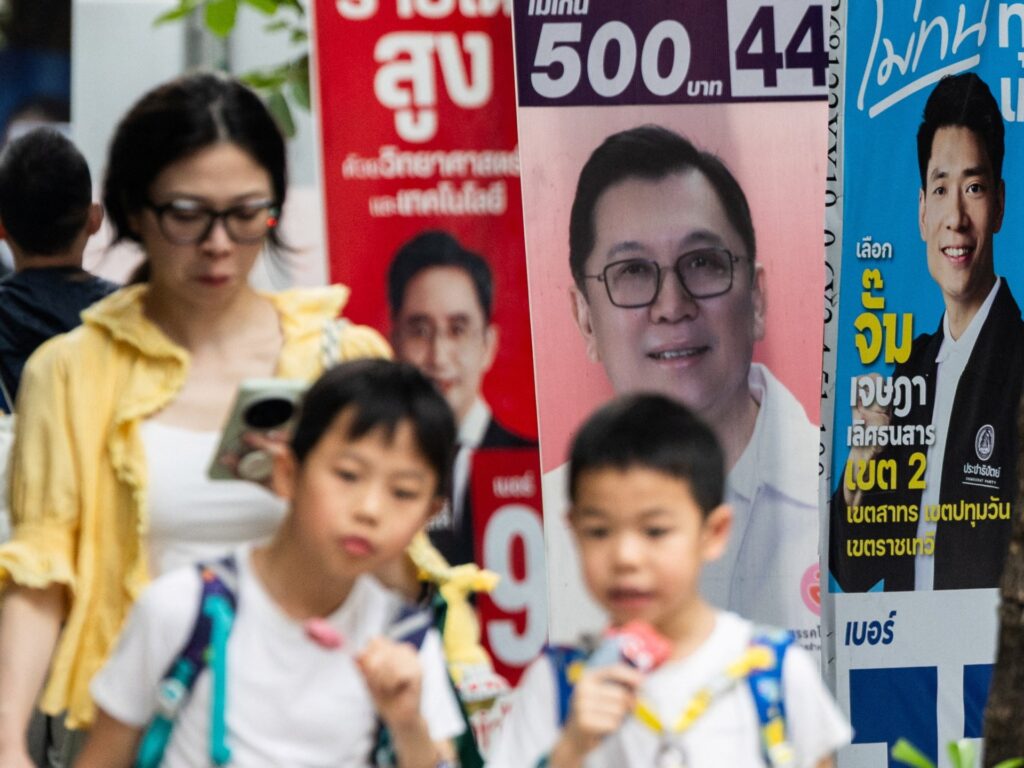
The 2026 general election in Thailand, scheduled for Sunday, is drawing significant attention as it represents a critical juncture for the country. This election is widely viewed as a potential turning point in breaking Thailand’s longstanding cycle of political instability characterized by coups, protests, and judicial interventions.
Key Parties Contesting the Election:
1. Pheu Thai Party: Traditionally one of Thailand’s largest and most influential parties, Pheu Thai is often associated with former Prime Minister Thaksin Shinawatra and retains strong support in rural and northern regions.
2. Move Forward Party: Known for its progressive platform, the Move Forward Party has attracted younger voters and calls for reforms including changes to military influence and the monarchy’s role.
3. Palang Pracharath Party: Aligned with the military establishment, this party supports the government backed by the military leadership and is a significant political force.
4. Democrat Party: With a long history, the Democrat Party appeals largely to urban voters and parts of southern Thailand.
Polls and Public Sentiment:
Recent opinion polls leading up to the election indicate a competitive race primarily between Pheu Thai and the Move Forward Party, reflecting a societal divide between traditionalist supporters and younger, reform-minded voters.
Polls show that while the Pheu Thai Party retains a solid base, the Move Forward Party has surged in popularity, particularly among the youth and urban populations eager for change. The Palang Pracharath Party maintains steady support among conservative and establishment voters. The Democrat Party’s support appears diminished compared to previous elections.
Implications of the Election:
Experts suggest that the outcome of this election could determine whether Thailand moves towards greater democratic consolidation or continues its pattern of political upheaval. A demonstration of broad political acceptance of the electoral process and its results could reduce the likelihood of intervention by military or judicial forces.
In conclusion, the 2026 election represents a litmus test for Thailand’s democratic progress. The main parties offer contrasting visions, from maintaining the status quo to pushing for substantive reforms, encapsulating the broader national debate about Thailand’s future governance and political stability.