As Bangladesh gears up for its upcoming general election, law and order have surfaced as critical concerns among voters, political analysts, and stakeholders. The stability and security of the country are paramount, setting the stage for a rigorous debate on governance, public safety, and the future trajectory of Bangladesh’s democracy.
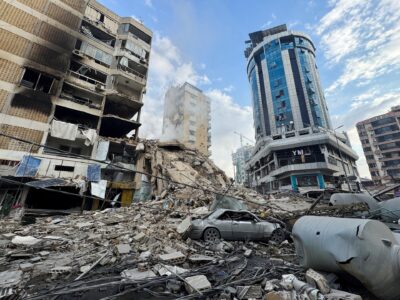
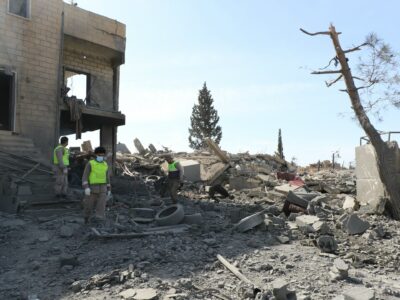
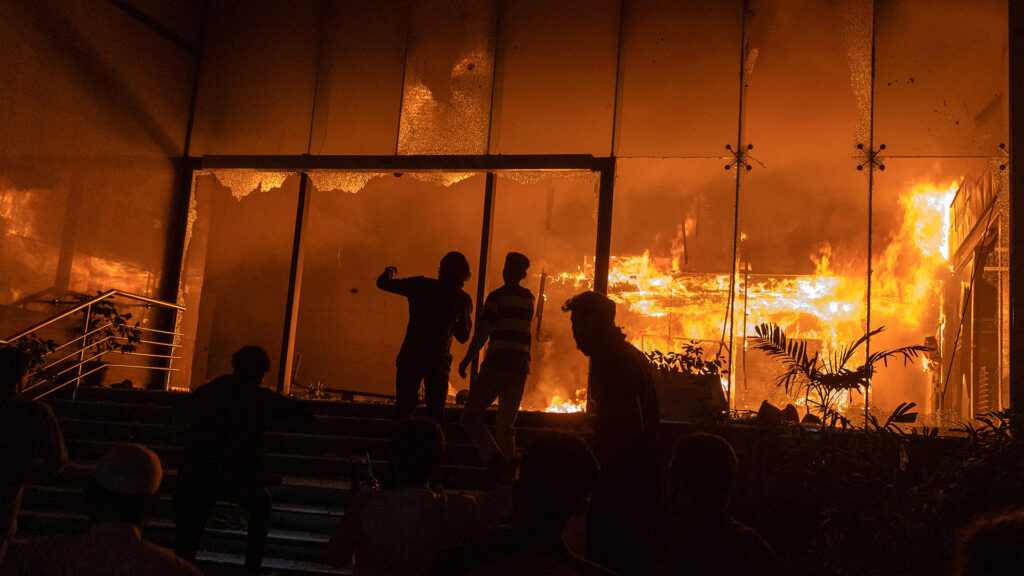
In recent years, Bangladesh has experienced sporadic incidents of political unrest, violence, and law enforcement challenges that have significantly impacted public confidence. These issues have brought the topic of law and order to the forefront, making it a pivotal theme in political campaigns and public discourse.
Political parties are keenly aware of the electorate’s concerns about maintaining peace and ensuring justice. The ruling party emphasizes its commitment to uphold law and order through various reforms and strict enforcement of laws, asserting that their governance has led to improvements in national security.
Opposition parties, on the other hand, criticize the government’s approach, alleging misuse of power and demanding more transparent and accountable law enforcement mechanisms. They argue that without genuine reforms, the law and order situation could deteriorate further, affecting socio-economic development and public confidence.
The election period itself often sees heightened tensions, with clashes between supporters of different political factions. Ensuring a peaceful and fair election process poses a significant challenge for authorities, who are responsible for protecting citizens’ rights while preventing violence and intimidation.
Analysts suggest that the success of the upcoming elections will heavily depend on the government’s ability to maintain law and order without curbing democratic freedoms. International observers are also expected to monitor the situation closely, highlighting the global importance of a credible electoral process in Bangladesh.
Community leaders, civil society organizations, and the media play a crucial role in promoting dialogue and peaceful engagement among voters. Their efforts are vital in mitigating election-related violence and encouraging a democratic culture that respects dissent and diversity.
There is also a growing call for the judiciary and law enforcement agencies to function independently and impartially, ensuring that justice is served without political interference. Building trust in these institutions is seen as essential for long-term political stability.
Moreover, the impact of social media and digital communication on the spread of misinformation and hate speech is recognized as a challenge to maintaining law and order. Efforts to regulate online content while safeguarding freedom of expression are part of the ongoing discussions among policymakers and experts.
The public’s demand for security encompasses not just protection against political violence but also broader concerns such as crime prevention, traffic safety, and disaster preparedness. Addressing these issues holistically is likely to gain voter support across different regions and demographics.
As the election date approaches, the government’s strategies to tackle law and order issues will be scrutinized intensely. Their effectiveness in creating a secure environment for voters will be crucial in determining public trust and voter turnout.
In conclusion, law and order stand as a cornerstone issue in the Bangladesh general election, shaping political narratives and influencing voter behavior. Stakeholders from all sectors are called upon to work collaboratively to ensure a peaceful, transparent, and democratic election process that reflects the will of the people and strengthens the nation’s democratic foundation.