IRAN-CRISIS/OPTIONS
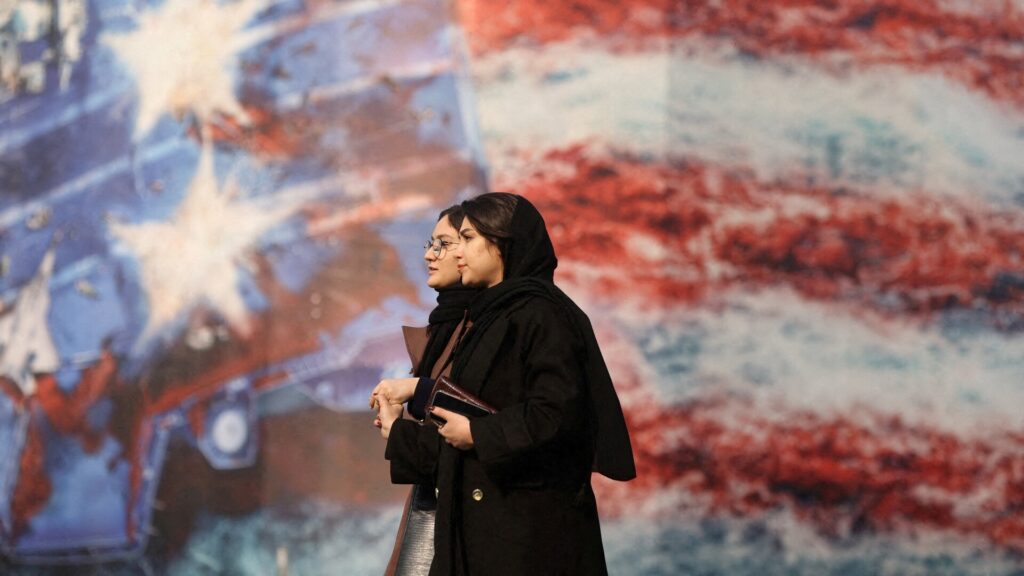
Amid escalating tensions and the looming threat of a potential US military attack, Al Jazeera conducted interviews with residents of Tehran, Iran’s capital, to gauge public sentiment. The conversations revealed a complex mix of fear, caution, skepticism, and hope regarding the future.
Many Iranians expressed deep concern about the possibility of war, fearing the devastating consequences such a conflict would bring to their country already grappling with economic difficulties and social strains. The memories of past conflicts and the impact of prolonged sanctions weigh heavily on the populace, reinforcing a sense of vulnerability and urgency for diplomatic resolution.
Some interviewees emphasized the resilience of the Iranian people and their desire to avoid further bloodshed. They hope diplomatic talks can provide a peaceful path forward, preventing military escalation and fostering mutual understanding between Iran and the United States. This hope is tempered with skepticism, as many recall previous failed negotiations and broken promises.
Others voiced frustration with both their government and international actors, questioning the effectiveness and sincerity of ongoing talks. They yearn for transparency and genuine engagement in diplomacy rather than posturing or empty rhetoric.
Overall, the public discourse in Tehran reflects a cautious optimism. While there is fear of war and awareness of the geopolitical stakes, many Iranians cling to the prospect that dialogue and negotiations could still avert conflict and lead to a more stable future. The sentiment captured by Al Jazeera underscores the human dimension often overshadowed by political headlines—the hopes and fears of ordinary people living under the shadow of potential war.