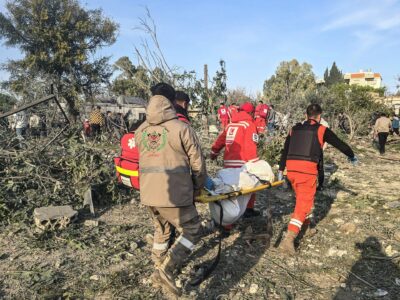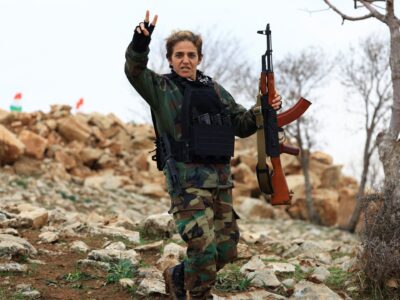
South Sudan is facing a dire humanitarian crisis as intense fighting between government forces and opposition groups escalates, forcing hundreds of thousands of civilians to flee their homes. This surge in violence marks a severe setback for the fragile peace that had been established by a 2018 agreement intended to end years of brutal civil war.
The 2018 peace deal, brokered to bring stability to the world’s youngest nation after a devastating conflict starting in 2013, appears to be unraveling amid renewed clashes. The conflict has heightened tensions between President Salva Kiir’s government and opposition leader Riek Machar. The failure to maintain peace has plunged the country back into turmoil, exacerbating an already precarious humanitarian situation.
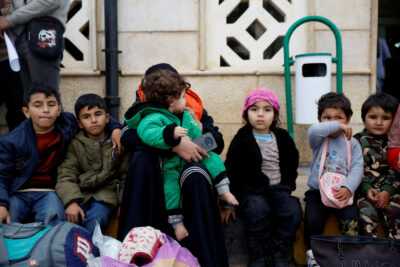
In recent weeks, violence has intensified in several key regions, including the oil-rich areas of Upper Nile and Unity states, where control over resources adds another layer of complexity to the conflict. Civilians caught in the crossfire are facing severe hardships, including shortages of food, water, and medical supplies, with many seeking refuge in overcrowded camps and neighboring countries.
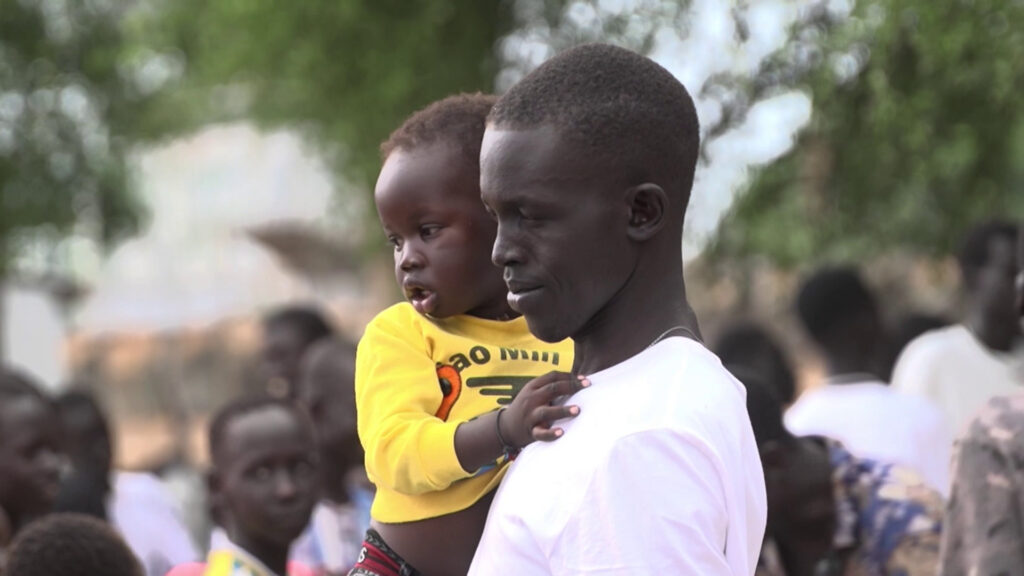
The United Nations and various humanitarian organizations have expressed grave concern over the deteriorating security situation. They warn that if the fighting continues unchecked, it could lead to further displacement and suffering on an unprecedented scale. The UN Refugee Agency (UNHCR) has reported that over 300,000 people have been displaced internally, with tens of thousands more fleeing to South Sudan’s neighbors, including Uganda, Sudan, and Ethiopia.
Efforts to revive peace talks have been slow and fraught with challenges. Both the government and opposition have accused each other of violating the ceasefire, undermining trust between the parties. International mediators have called for an immediate cessation of hostilities and a return to dialogue to prevent further bloodshed.
The breakdown of the peace deal threatens not just regional stability but also the prospects for South Sudan’s development. The country, rich in natural resources yet grappling with poverty, needs peace to rebuild its shattered infrastructure and institutions. Without renewed commitment from all parties to uphold peace, the cycle of violence and displacement is likely to continue.
The humanitarian needs are growing. Aid agencies are calling for increased funding and access to deliver essential services to vulnerable populations. Meanwhile, thousands of families face an uncertain future as the conflict disrupts their livelihoods and access to basic services.
As South Sudan’s crisis deepens, the international community faces a critical moment to support peacebuilding efforts and provide relief to those affected by the conflict. The hope remains that renewed negotiations can halt the fighting and set the country back on the path toward lasting peace and stability.