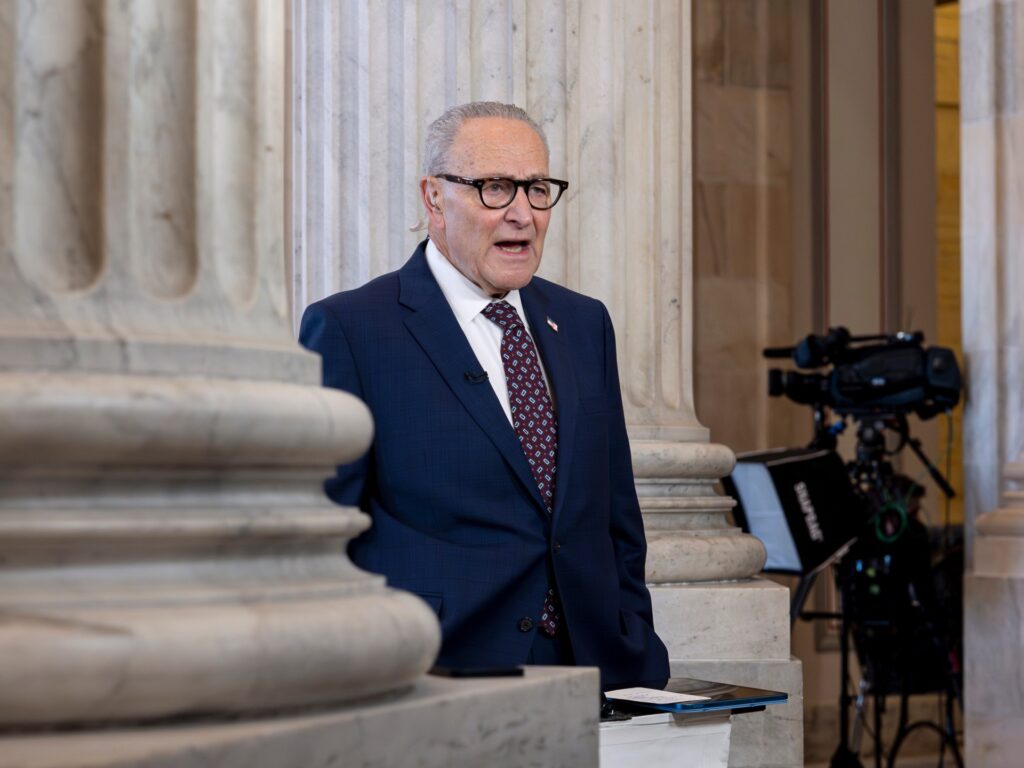
In a significant development, Democratic lawmakers have intensified their calls for sweeping reforms to the US Department of Homeland Security (DHS), particularly concerning its immigration enforcement operations. This political impasse emerges as Congress grapples over immigration reform legislation, which now threatens to derail crucial funding for DHS.
The tension centers on how DHS manages immigration and border security tasks, with Democrats pushing for changes that would prioritize human rights protections and overhaul detention and deportation practices. They argue that current policies and enforcement methods lead to civil rights violations and unnecessary hardships for immigrants.
Democratic leaders emphasize that any funding bill to keep DHS operational must include these reforms or face their opposition. This stance is creating a deadlock in the legislature, as Republicans typically favor stricter immigration enforcement and resist reforms that they believe could undermine border security.
The urgency of the debate is heightened by the looming deadline for passing the DHS funding bill, which is essential to avoid a government shutdown of vital homeland security functions. Without congressional agreement, the department risks facing budget shortfalls that could impair operations ranging from disaster response to cybersecurity.
Many Democrats are calling for more transparency in DHS enforcement activities. They advocate for improved oversight mechanisms and accountability measures to prevent abuses during immigration operations.
Additionally, the reform agenda includes proposals to limit the use of detention facilities and to provide better legal support for immigrants facing deportation. Calls for humane treatment align with broader Democratic objectives to create a more just and equitable immigration system.
The political stalemate exemplifies the broader national struggle over immigration policy, which has been a contentious issue for decades. Both parties recognize the need to secure borders but disagree sharply on the balance between enforcement and humanitarian considerations.
Stakeholders from immigrant advocacy groups have expressed support for the Democratic position, warning that failure to enact reforms could exacerbate fear and instability within immigrant communities across the country.
Opponents of the reforms argue that weakening immigration enforcement could encourage illegal crossings and strain public resources. They assert that a strong DHS with adequate funding is critical to national security.
As the deadline approaches, negotiations are expected to intensify, with potential for compromise solutions that might include phased reforms and conditional funding. However, the possibility of a government shutdown looms if consensus is not reached.
The developments in Congress highlight the complexities of balancing security imperatives with the need for a humane and effective immigration policy. They reflect the broader challenge facing policymakers to address the evolving nature of immigration and homeland security in the United States.