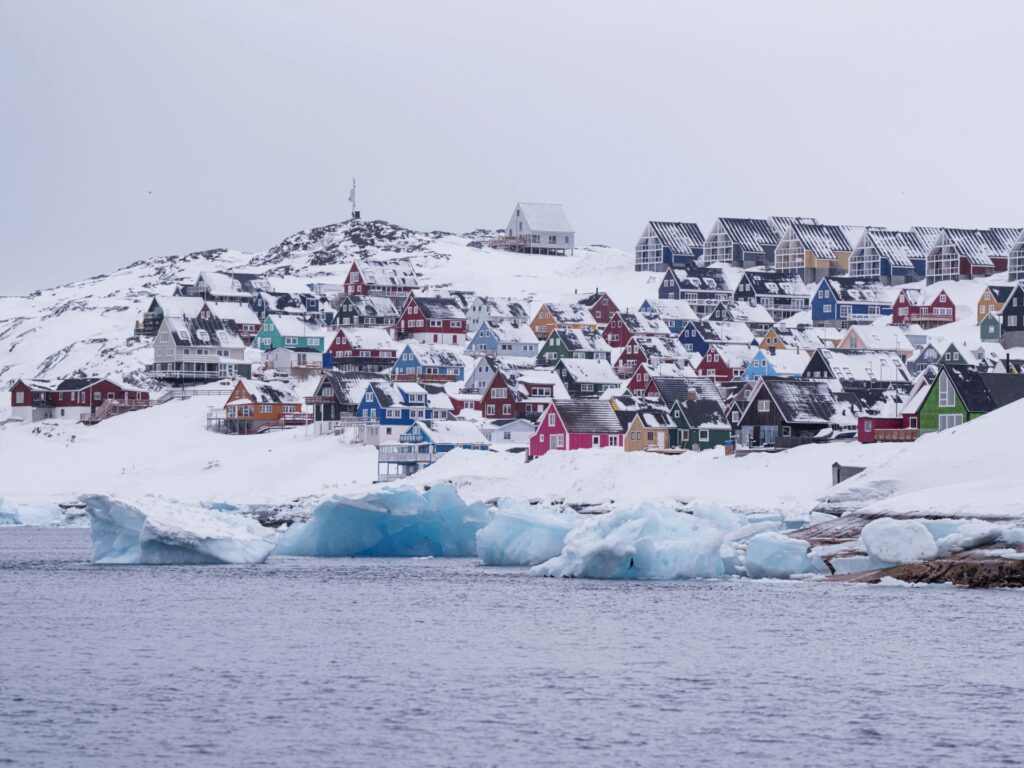
Canada and France have announced plans to open consulates in Greenland, a move seen as a strategic response to escalating security concerns and increasing geopolitical interest in the Arctic region. This development comes amid ongoing threats and pressures from the United States, which has intensified its focus on Greenland due to its significant strategic value.
Greenland, a semi-autonomous territory under Danish sovereignty, occupies a crucial position in the Arctic, rich in natural resources and holding considerable geopolitical importance. The US, under former President Donald Trump, explicitly emphasized the significance of Greenland in national security terms, with Trump even proposing to purchase the island, a suggestion that was firmly rejected by Denmark and Greenland authorities.
The move by Canada and France to establish official diplomatic presences in Greenland underscores the island’s rising prominence on the international stage. Canada, sharing the Arctic region and having vested interests in Arctic sovereignty and resources, aims to strengthen its relationship with Greenland and monitor developments closely. Similarly, France seeks to assert its influence and foster cooperation in scientific research, environmental monitoring, and economic ventures, especially given the Arctic’s impact on global climate patterns.
This decision aligns with broader global trends where Arctic countries and global powers are increasing their diplomatic and strategic engagements in the region. The opening of consulates by Canada and France can also be interpreted as a diplomatic signal to the United States, emphasizing a multilateral approach to Arctic affairs rather than unilateral dominance.
Greenland’s status as a semi-autonomous region under Denmark adds a layer of complexity to the geopolitical dynamics. Denmark itself has a vested interest in maintaining sovereignty while balancing the increasing international attention and interest in Greenland. The establishment of consulates will likely enhance diplomatic communication and foster collaboration among these nations.
Furthermore, the Arctic is becoming a hotspot due to climate change, which has led to greater ice melt, opening new maritime routes and access to untapped natural resources such as minerals and hydrocarbons. This scenario intensifies competition among nations seeking to secure strategic advantages and economic benefits.
Experts believe that the diplomatic moves by Canada and France are timely, aiming to ensure a cooperative framework for Arctic governance that respects the rights and aspirations of Greenland’s indigenous populations, while also addressing environmental sustainability and security concerns.
Historically, Arctic policies have varied, but there is a growing consensus about the need for international cooperation to manage the region responsibly. Canada’s and France’s commitments to opening consulates could pave the way for enhanced collaboration in areas such as scientific research, environmental protection, law enforcement, and sustainable development.
In summary, Canada and France’s plans to open consulates in Greenland reflect the increasing strategic importance of the Arctic amidst global power competition. This development signifies a move towards a more multilateral approach in managing the Arctic’s challenges and opportunities, particularly in the face of security concerns raised by the United States. The consulates will likely facilitate closer diplomatic ties, collaborative projects, and reinforce the geopolitical significance of Greenland on the world stage.