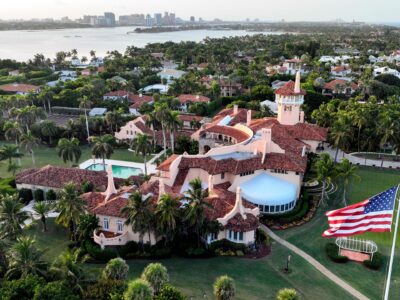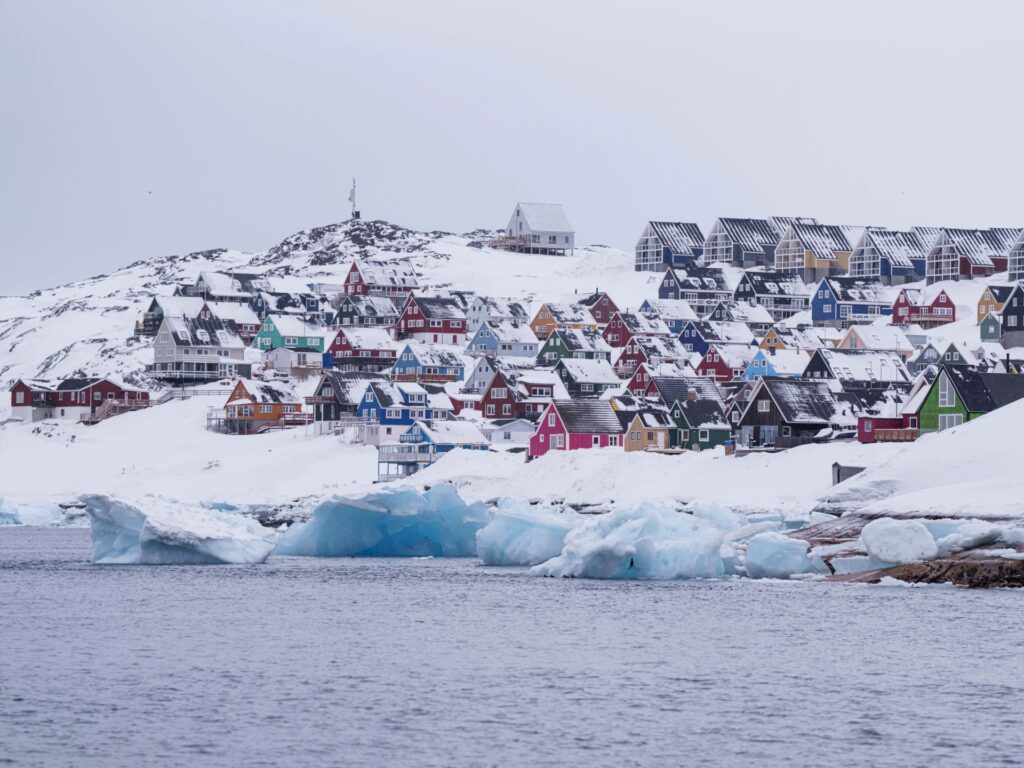
In a significant geopolitical development, Canada and France have announced plans to open consulates in Greenland, responding proactively to escalating tensions and strategic interests surrounding the semi-autonomous Danish territory. This move is seen as a direct response to persistent assertions by former U.S. President Donald Trump, who has expressed a strong desire to secure Greenland for the United States, citing critical security concerns.
Greenland, rich in natural resources and strategically located in the Arctic region, has become a focal point of global interest, especially amid increasing concerns over Arctic sovereignty and security. Trump’s interest in Greenland highlighted the island’s importance as the Arctic gains prominence due to potential shipping routes and resource extraction opportunities driven by climate change.
Canada and France’s decision to establish consular presence underscores their intent to strengthen diplomatic ties and influence in the Arctic. It also reflects a strategic counterbalance to U.S. ambitions, signaling that multiple stakeholders seek to play vital roles in Greenland’s future governance and economic development.
Greenland, while under Danish sovereignty, operates with a high degree of self-rule and has been expanding its international relations independently. The arrival of Canadian and French consulates is expected to facilitate closer cooperation on issues such as trade, security, environmental protection, and indigenous affairs.
The Canadian government views the Arctic as a critical zone for national security and economic interests, particularly with its proximity to northern territories. Similarly, France, although farther away geographically, has historically maintained interests in polar regions, including the Antarctic, and now aims to strengthen its footprint in the Arctic.
This diplomatic escalation comes at a time of increased global attention on Arctic governance amid climate change. Melting ice is opening new sea routes and access to untapped reserves of minerals, oil, and gas, making the region a hotspot for resource competition.
Denmark expresses cautious optimism about the development, noting that the expansion of consular services by allied nations supports Greenland’s growth and international engagement. However, the potential for heightened geopolitical rivalry remains, as the security concerns cited by the United States continue to dominate discussions around Arctic strategy.
Analysts suggest that the presence of Canadian and French consulates may serve to diversify Greenland’s international partnerships, reducing overreliance on Denmark and the U.S., while fostering a more collaborative environment. This could lead to enhanced stability and development opportunities for Greenland’s population.
The U.S.’s assertive posture has elicited mixed reactions from global actors, with some viewing it as a necessary step to safeguard strategic interests, while others see it as aggressive and destabilizing. The establishment of Canadian and French consulates indicates a shift towards a more multipolar approach to Arctic geopolitics.
In conclusion, the decision by Canada and France to open consulates in Greenland marks a new chapter in Arctic diplomacy, reflecting the island’s growing importance on the world stage. As global powers navigate the complex interplay of security, environmental, and economic interests, Greenland’s strategic value is unmistakably rising, setting the stage for intensified international engagement in the Arctic region.