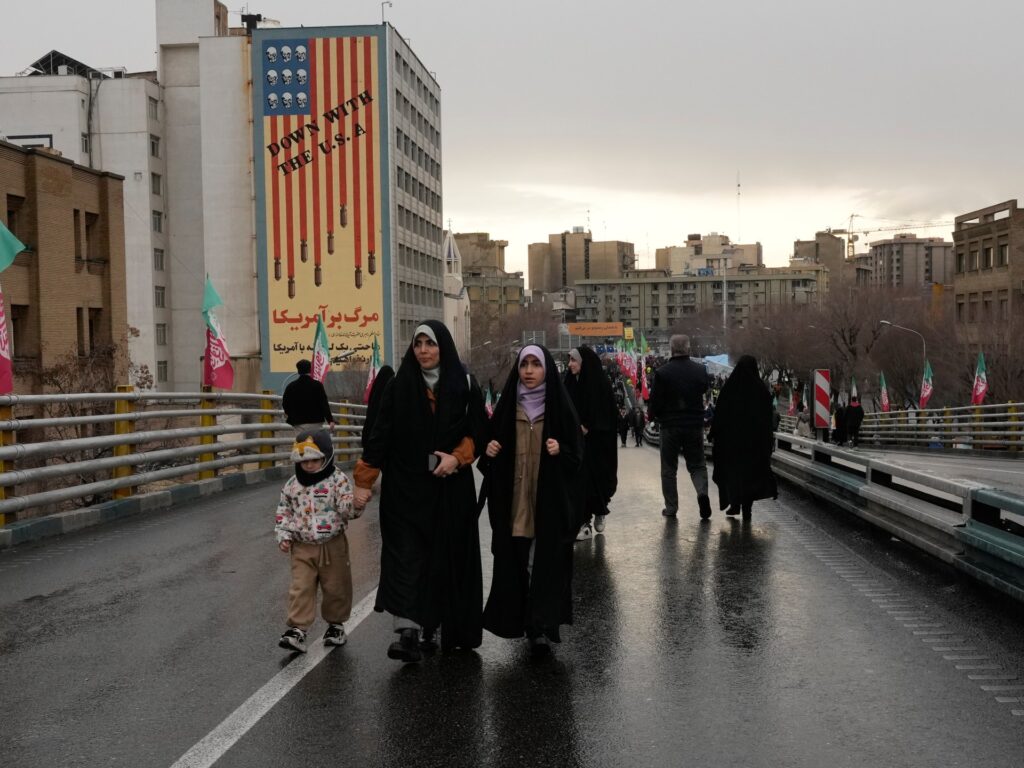
In a significant development amidst escalating tensions, Iran and the United States are set to hold talks in Oman this Friday. This diplomatic engagement comes after a barrage of threats exchanged between the two nations, signaling a critical attempt to de-escalate the situation and explore potential pathways for dialogue.
The setting for these talks, Oman, has historically played a key role as a mediator in sensitive negotiations in the Middle East, providing a neutral ground for bilateral discussions. The choice of location underscores the importance both parties place on this opportunity to communicate directly and possibly address some of the contentious issues at hand.
Recent months have seen a marked increase in hostile rhetoric and actions, raising concerns internationally about the stability of the region and the risk of broader conflict. The upcoming discussions aim to bridge the divide and potentially lay the groundwork for more comprehensive negotiations in the future.
While official details on the agenda remain closely guarded, analysts suggest that key topics will likely include nuclear program oversight, regional security concerns, and the easing of economic sanctions. Both sides have expressed cautious optimism, emphasizing the talks as a positive step despite the complexities involved.
The international community is watching closely as these talks could influence geopolitical dynamics significantly. Successful engagement might lead to a reduction in tensions and open channels for further cooperation, whereas failure could exacerbate existing strains and prompt retaliatory measures.
In sum, the Friday talks in Oman represent a pivotal moment for US-Iran relations. The global implications of these negotiations are profound, carrying the potential to reshape diplomatic landscapes and contribute to regional and international peace efforts. As the world awaits the outcome, there is a sense of hopeful anticipation that dialogue will prevail over discord.