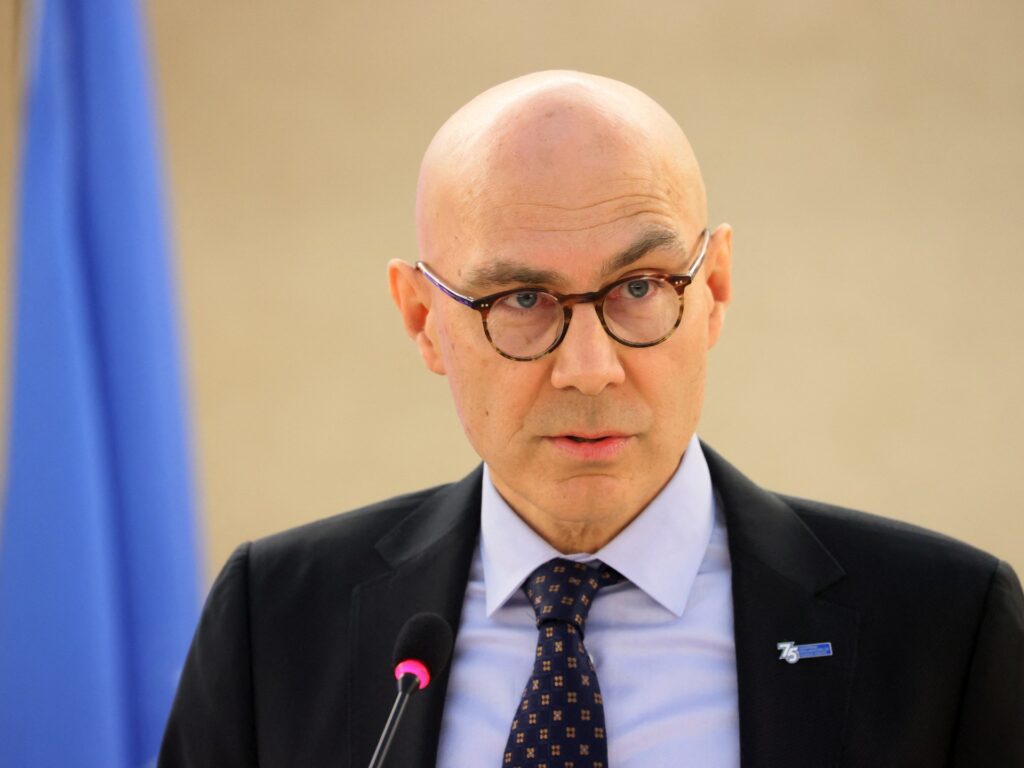
Volker Turk, the United Nations High Commissioner for Human Rights, has issued a stark warning about the severe funding crisis facing his office. He revealed that the office is currently operating in ‘survival mode’ due to a significant shortfall in financial resources. This funding crisis has led to drastic cuts in the UN rights office’s operations across 17 countries, severely impairing its ability to carry out critical human rights monitoring and advocacy work.
Turk appealed to the international community for urgent financial support, specifically requesting $400 million to stabilize and revitalize the office’s work. The lack of funds has forced the suspension or scaling back of vital human rights activities in regions where violations are ongoing, potentially allowing abuses to go unchecked.
The funding shortage comes at a time when global human rights challenges are intensifying. Conflict zones, authoritarian crackdowns, and human rights abuses are increasing worldwide, placing a heavy demand on UN monitoring and intervention efforts. Turk emphasized that without adequate funding, the office’s capacity to respond effectively to emerging crises is compromised.
The High Commissioner highlighted that the budget cuts not only affect immediate monitoring actions but also reduce support for local human rights defenders and limit outreach and education efforts necessary for the long-term promotion of human rights worldwide.
This funding crisis underscores broader issues related to the reliance of UN human rights institutions on voluntary contributions and the challenges of maintaining consistent, predictable financing. The uncertainty around funding destabilizes ongoing projects and makes long-term planning difficult.
Human rights experts and activists have joined Turk’s call for increased financial commitments from member states and international donors. They argue that investing in human rights protection is essential not just for moral reasons but also for sustaining global peace and security.
The UN rights office’s appeal is not just about stabilizing operations but also about renewing its capacity to actively address violations and support victims across the globe. The successful fundraising of the requested $400 million would enable the office to re-expand its presence in critical regions and resume comprehensive human rights monitoring and assistance programs.
Volker Turk’s candid disclosure of the office’s dire financial status marks a pivotal moment for the UN’s human rights efforts. It highlights the need for immediate action and sustained support to prevent the rollback of decades of progress in international human rights protection. The global community faces a crucial choice: to uphold the principles and mechanisms designed to safeguard human dignity or to allow erosion due to financial neglect.