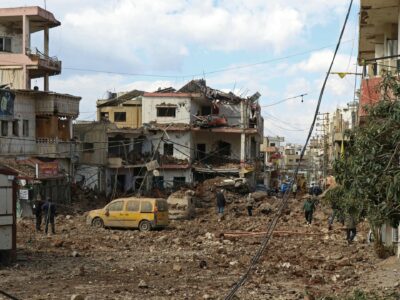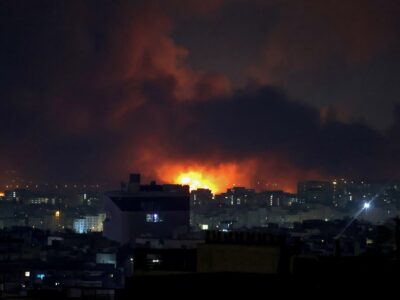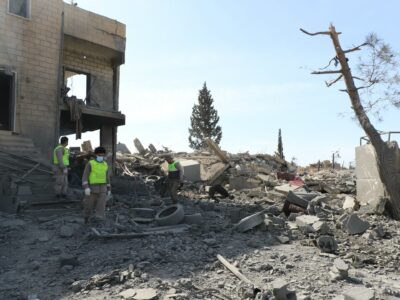
South Sudan has recently witnessed a devastating air strike by government forces targeting a hospital, according to reports from the medical NGO Médecins Sans Frontières (MSF). The attack underscores the growing instability in the region and the severe impact on healthcare facilities struggling to serve conflict-affected populations.
MSF, which operates multiple health facilities in South Sudan, revealed that its hospital was directly hit in the air strike, causing significant damage to critical infrastructure and resulting in the suspension of essential medical services. The NGO condemned the attack as a blatant violation of international humanitarian law that protects medical facilities and personnel in conflict zones.
The health crisis is exacerbated by a series of targeted attacks on hospitals across the region, forcing numerous clinics to shut down due to safety concerns and destruction. This has left thousands of vulnerable patients without access to urgent care, significantly jeopardizing healthcare delivery in an already fragile setting.
Parallel to the healthcare crisis, the United Nations reported that ongoing violence in Jonglei State has displaced around 280,000 people. Many displaced families have fled their homes seeking safety and emergency aid, but the scale of displacement is overwhelming local humanitarian resources.
The conflict in South Sudan, which reignited after the 2013 civil war and subsequent peace efforts, continues to disrupt daily life and destabilize communities. Jonglei State, one of the country’s largest regions, has been a hotspot for clashes between government forces and armed groups, who vie for control over territory and resources.
Humanitarian agencies are calling for immediate ceasefires and adherence to international laws protecting civilians and medical neutral zones. The UN and other partners are urging all parties involved to allow safe access for aid delivery and to ensure the protection of displaced populations.
Efforts to mediate peace and provide relief are ongoing, with international actors emphasizing the urgent need to address the underlying causes of conflict, including political grievances and ethnic tensions.
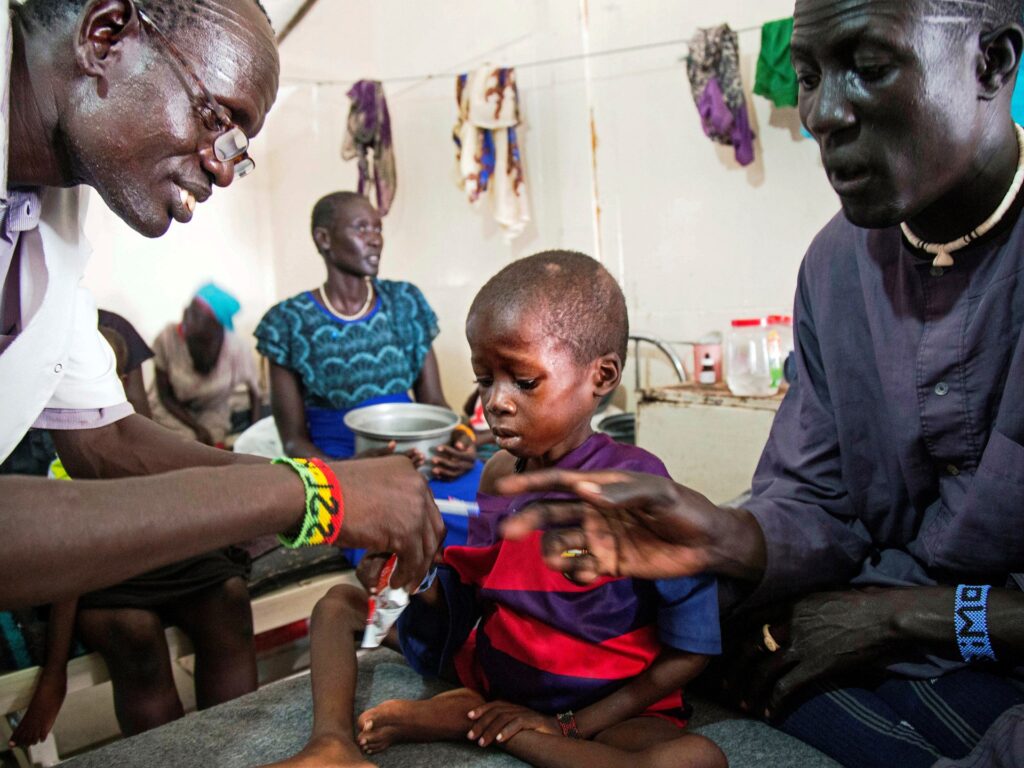
Meanwhile, MSF and other organizations are working under increasingly dangerous conditions to provide emergency treatment, maternal care, and support for malnutrition among children. The closure of hospitals not only disrupts direct medical assistance but also hampers long-term public health efforts.
The latest developments highlight the humanitarian catastrophe unfolding in South Sudan, where access to healthcare and safety remains precarious. With thousands displaced and healthcare infrastructure under attack, the need for a coordinated international response has never been more urgent.
In conclusion, the air strike on a South Sudan hospital by government forces is a stark reminder of the ongoing human toll of conflict in the region. It demands renewed international commitment to peace, protection of civilians, and the upkeep of humanitarian principles in South Sudan’s complex crisis.