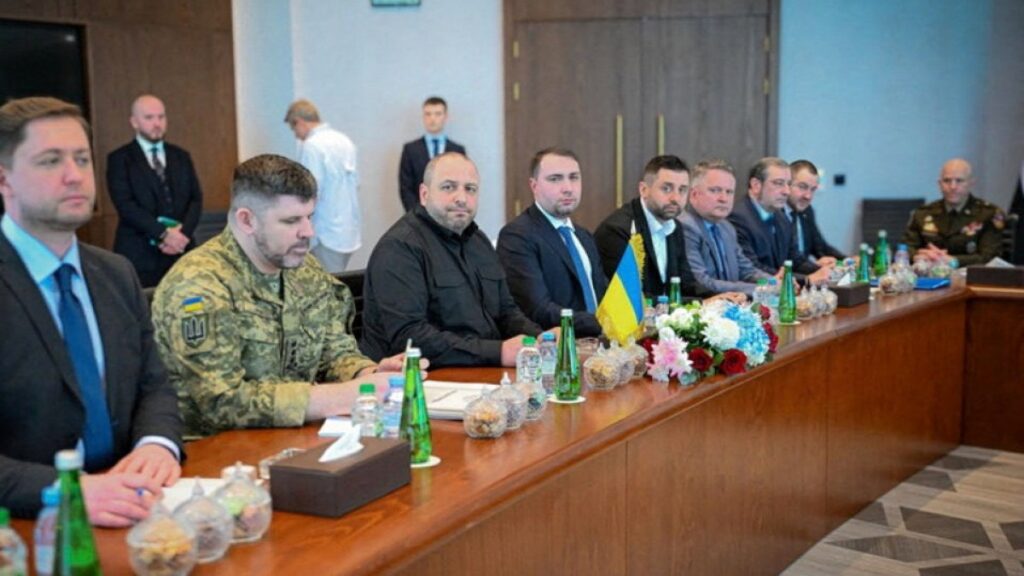
In a significant development, Russia and Ukraine have successfully concluded talks leading to an agreement on a prisoner exchange. According to the Russian state news agency RIA, both countries have exchanged 157 prisoners of war each, marking a notable step in their ongoing conflict. The agreement on prisoner swap reflects a rare moment of cooperation amidst the tensions between the two nations. This exchange is expected to have humanitarian implications and could potentially serve as a confidence-building measure between Russia and Ukraine. The talks that resulted in this agreement highlight the continued dialogue efforts despite broader geopolitical challenges. The prisoner exchange marks an important milestone in the conflict, underscoring the human aspect amidst the larger political and military dispute. Both countries demonstrated a willingness to negotiate on this crucial issue, facilitating the safe return of those held captive. This development has been welcomed by international observers as a positive move towards resolving conflict-related humanitarian issues. The exact details of the talks, including the negotiation process and future cooperation, have not been fully disclosed. However, the successful swap of 314 prisoners—157 from each side—signals progress in addressing key concerns affecting individuals directly impacted by the conflict. The exchange could also set a precedent for further negotiations on other humanitarian matters between Russia and Ukraine. It remains to be seen how this agreement will influence the broader dynamics of the conflict and whether it will lead to sustained dialogue or additional cooperative efforts. For families of the exchanged prisoners, this agreement represents a moment of relief and hope amid the ongoing turmoil. The prisoner swap conveys a message about the importance of humanitarian considerations even within strained and adversarial circumstances. Global reactions to the exchange have been cautiously optimistic, urging both parties to build on this momentum to pursue further peaceful resolutions. This development also shines a light on the broader implications of the conflict, where continued negotiation and diplomatic engagement are crucial. The prisoner swap is a tangible example of how dialogue can lead to meaningful outcomes, even in complex international disputes. While this agreement does not resolve the conflict at large, it demonstrates that areas of common interest remain. The path forward includes monitoring the situation, understanding the conditions of the prisoners, and ensuring compliance with humanitarian standards. International organizations may play a role in overseeing the implementation of the agreement to ensure transparency and fairness. As both nations move forward from this milestone, there is cautious hope that similar negotiations might address other pressing issues. The prisoner swap is a reminder of the human costs underlying geopolitical struggles and the importance of negotiating in good faith. Continued efforts towards dialogue and peaceful conflict resolution remain vital as the situation evolves. Observers emphasize the need for sustained communication channels to prevent escalation and promote mutual understanding. The recent agreement may also impact domestic perceptions within each country, potentially influencing political and public attitudes toward the conflict. Effective communication of such humanitarian gestures can mitigate tensions and foster a more conducive environment for peace talks. Ultimately, the prisoner exchange serves as a modest yet meaningful step on the complex path toward resolving the ongoing conflict between Russia and Ukraine. It highlights that even amidst adversity, diplomacy can make headway in addressing critical issues impacting human lives. Stakeholders from multiple sectors advocate for building upon this progress to pave the way for broader reconciliation and peaceful coexistence in the region.