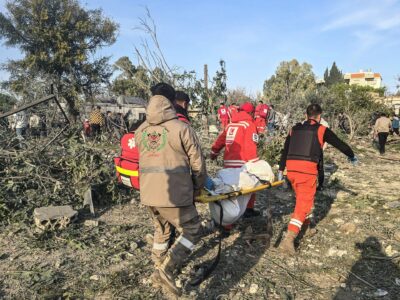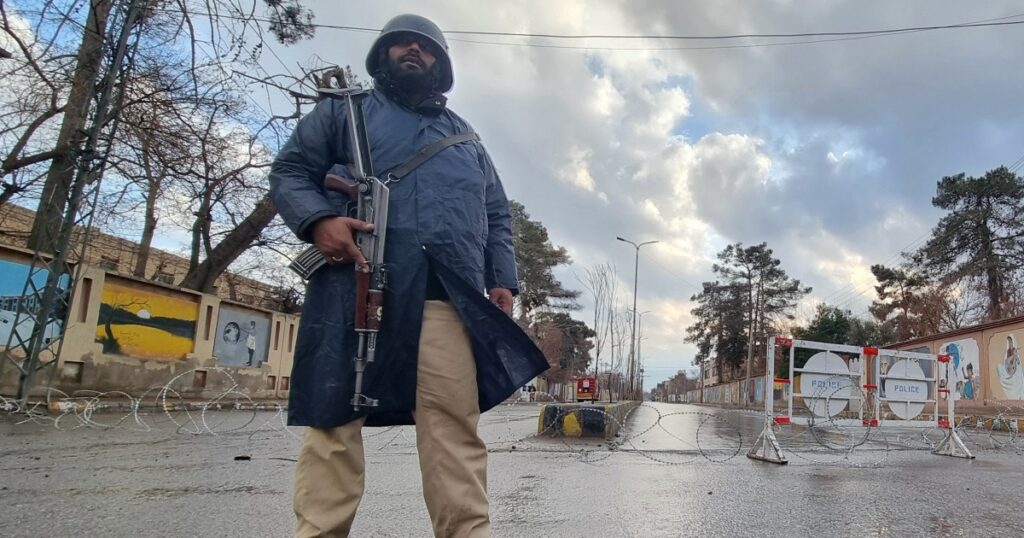
The Pakistan Army announced a significant milestone in its ongoing military operations in Balochistan, stating that it has killed 216 fighters during a weeklong campaign. This intensive operation, which commenced earlier in January, aims at dismantling terrorist networks that have been active in the region.
Military officials confirmed that the campaign has successfully degraded the leadership and operational capabilities of these groups, contributing to improved security and stability in Balochistan. The army’s strategic approach included coordinated strikes and intelligence-driven missions targeting militant hideouts and strongholds.
According to the military statement, the operation is part of a broader effort to counter terrorism and restore peace in the restive province. Balochistan has been a hotspot for insurgency and militant activities, posing significant challenges to the state’s authority and local population safety.
The campaign’s success was highlighted by the neutralization of key figures within the insurgent networks, disrupting their command structure and limiting their ability to conduct further attacks. This degradation of the militants’ operational capacity is expected to curtail violent incidents in the area.
In addition to the combat operations, the Pakistan Army has emphasized the importance of winning hearts and minds by promoting development and stability in affected regions. Efforts include infrastructural projects, humanitarian aid, and engagement with local communities to foster trust and cooperation.
The military’s announcement underscores the ongoing commitment to combating terrorism in Pakistan, with Balochistan being a critical front. Pakistani officials reiterated their resolve to continue operations until all terrorist threats are neutralized, ensuring the safety and security of all citizens.
The campaign in Balochistan reflects a broader strategy employed by Pakistan to address insurgency and terrorism comprehensively. It involves not only military action but also political dialogue and socio-economic initiatives aimed at addressing root causes of unrest.
Reports indicate that the operation has been conducted with caution to minimize civilian casualties and collateral damage. Military sources highlighted the use of precise intelligence and adherence to international norms governing conflict.
The Pakistan Army’s statement comes amid ongoing concerns about regional security and the impact of militant activities on national stability. The successful weeklong campaign is seen as a positive development in Pakistan’s fight against terrorism.
The government has commended the armed forces for their efforts and expressed support for continued operations to safeguard the sovereignty and integrity of Pakistan. Security analysts view the operation as a critical step towards undermining terrorist networks and paving the way for lasting peace.
In conclusion, the Pakistan Army’s recent campaign in Balochistan marks a significant achievement in counterterrorism efforts. By killing 216 fighters and degrading insurgent leadership, the military has demonstrated its capability and commitment to restoring order in the volatile region. The continued focus on combining military action with development initiatives may prove essential in achieving sustained peace and stability in Balochistan and beyond.