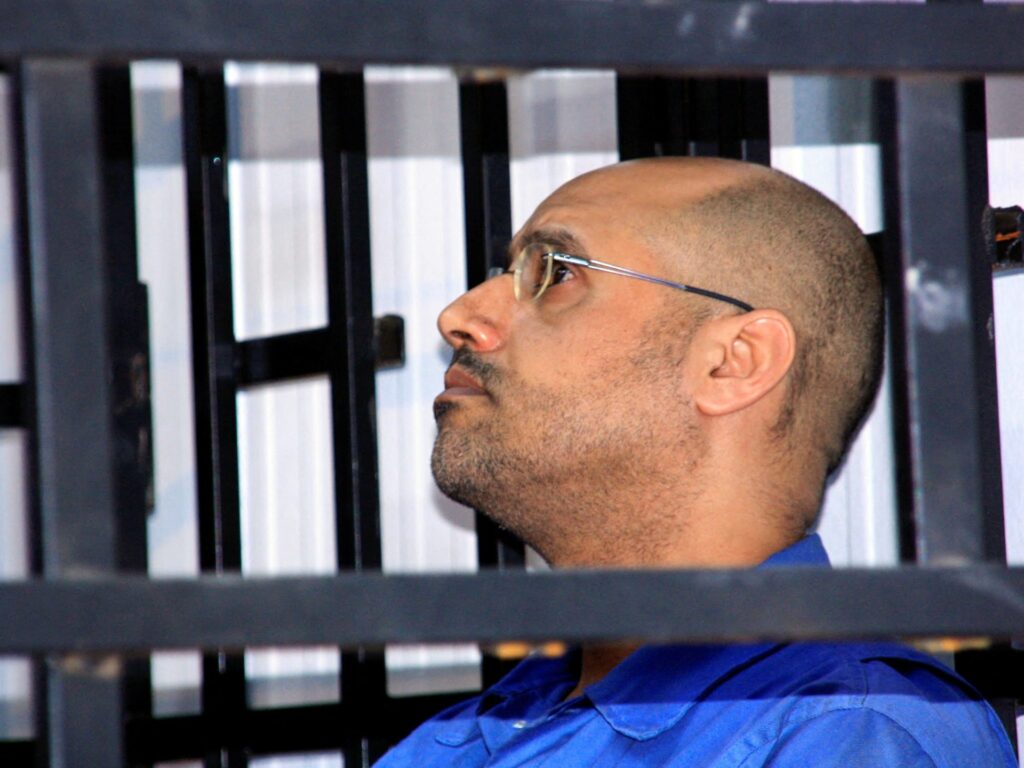
The recent killing of Saif al-Islam Gaddafi, son of the late Libyan dictator Muammar Gaddafi, marks a significant turning point in the ongoing political conflict within Libya. Analysts suggest that Saif’s death removes a potential, symbolic alternative to the entrenched rival governments battling for control in the country.
Libya has been mired in political instability and conflict since the 2011 uprising that toppled Muammar Gaddafi’s regime. Since then, various factions and governments have contested authority, creating a complex and often violent power struggle.
Saif al-Islam Gaddafi had represented a possible figure around whom some Libyan factions and supporters of the Gaddafi era had hoped to rally. His political influence and symbolic connection to the previous regime gave him a unique standing in Libyan politics, despite controversies surrounding his legacy.
Following his death, the political landscape may become more rigid as there are fewer prominent figures who can bridge certain divides or serve as a unifying alternative. Analysts warn that this development could further entrench the deadlock between the competing governments – one based in the east of Libya, and the other in the west.
The rival governments have struggled to reach a sustainable peace agreement, with international efforts at mediation often stalling. The absence of Saif al-Islam Gaddafi reduces the possibility of new political negotiations or alliances that might have emerged around his persona.
Libya’s challenges are compounded by factors such as tribal divisions, militia control of key areas, and foreign interference, which have all contributed to the country’s prolonged instability.
Some experts believe that Saif’s death may force Libya’s factions to confront the reality of a fractured political environment without relying on historical figures to shape the future. This might eventually pave the way for new leadership voices to emerge, although the immediate outlook remains uncertain.
The international community continues to call for dialogue and reconciliation to prevent further deterioration of security and governance in Libya. However, Saif al-Islam Gaddafi’s demise leaves a void that exemplifies the complexity and fragility of the current political situation.
In conclusion, while Saif al-Islam Gaddafi’s killing closes one chapter in Libya’s tumultuous recent history, it simultaneously highlights the ongoing challenges that the country faces in seeking unity and stable governance. The absence of a symbolic alternative figure could either deepen divisions or encourage the search for new political solutions amid persistent deadlock.