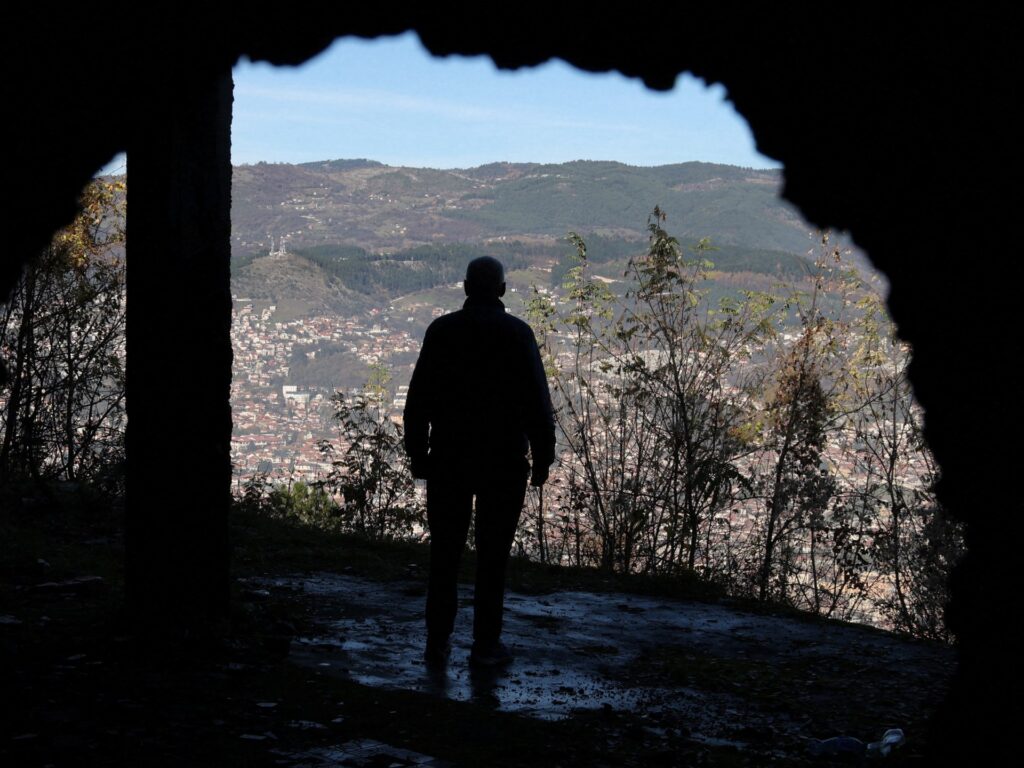
In a recent development, Italian authorities have launched an investigation into an 80-year-old suspect allegedly involved in ‘sniper tourism’ during the Bosnia War in Sarajevo. The term ‘sniper tourism’ refers to the disturbing act of outsiders participating or deriving thrill from sniper attacks during the conflict that ravaged the region in the 1990s.
According to reports, the suspect is facing several charges, including premeditated murder. The probe highlights Italy’s commitment to addressing war crimes and seeking justice for victims of the Bosnia War, which lasted from 1992 to 1995.
This investigation stems from evidence and testimonies suggesting the suspect’s active role in sniper attacks targeting civilians and combatants during the arduous siege of Sarajevo. The siege, one of the longest in modern warfare history, witnessed numerous atrocities, including sniper fire that terrorized the city’s residents.
Authorities emphasize the gravity of these charges, underscoring the need for accountability even decades after such conflicts. The suspect’s advanced age has not deterred prosecutors from pursuing justice, reflecting a broader international resolve to address war crimes regardless of the passage of time.
The Bosnia War resulted in significant loss of life, with estimates of nearly 100,000 fatalities. The conflict’s aftermath has seen ongoing efforts to uncover truths and prosecute perpetrators responsible for war crimes, ethnic cleansing, and crimes against humanity.
The probe into the suspect’s activities adds another chapter to the complex history of the Bosnia War and the efforts to heal its lasting wounds. Italian investigators are collaborating with international bodies to ensure a thorough examination of the case.
This case also raises awareness about the historical phenomenon of ‘war tourism,’ where individuals travel to conflict zones driven by varied motives, including fascination with violence. Such behavior exacerbates suffering and complicates post-war reconciliation efforts.
Human rights organizations have welcomed the investigation, stressing the importance of justice for survivors and victims’ families. They argue that addressing these crimes is vital for establishing lasting peace and preventing future atrocities.
The suspect is expected to face a formal trial where evidence will be examined thoroughly. Legal experts believe this trial will be closely watched by international communities as a test of post-conflict justice mechanisms.
Italy’s authorities have reiterated their commitment to cooperating with Bosnia and Herzegovina, as well as global institutions such as the International Criminal Court, to bring war criminals to justice.
The ongoing investigation underscores the enduring legacy of the Bosnia War and the persistent pursuit of justice for its victims. As the world reflects on past conflicts, such efforts remind us of the importance of vigilance against war crimes and the upholding of international humanitarian law.
The community affected by the siege of Sarajevo hopes this probe will contribute to closure and reinforce the global stance against impunity for war crimes. Continued support for victims and educational initiatives about past atrocities remain crucial to fostering reconciliation and peace.
In sum, Italy’s probe into the alleged ‘sniper tourism’ during the Bosnia War marks a significant step in the march towards justice. It brings attention to the dark realities of war, the impact on civilian lives, and the collective responsibility to prevent history from repeating itself.