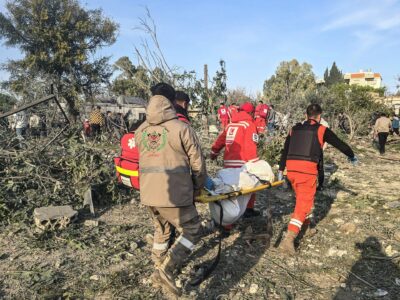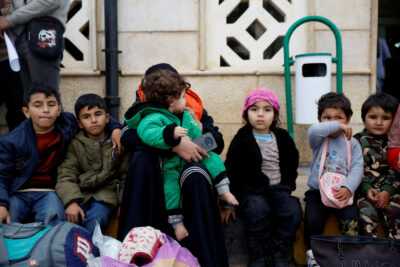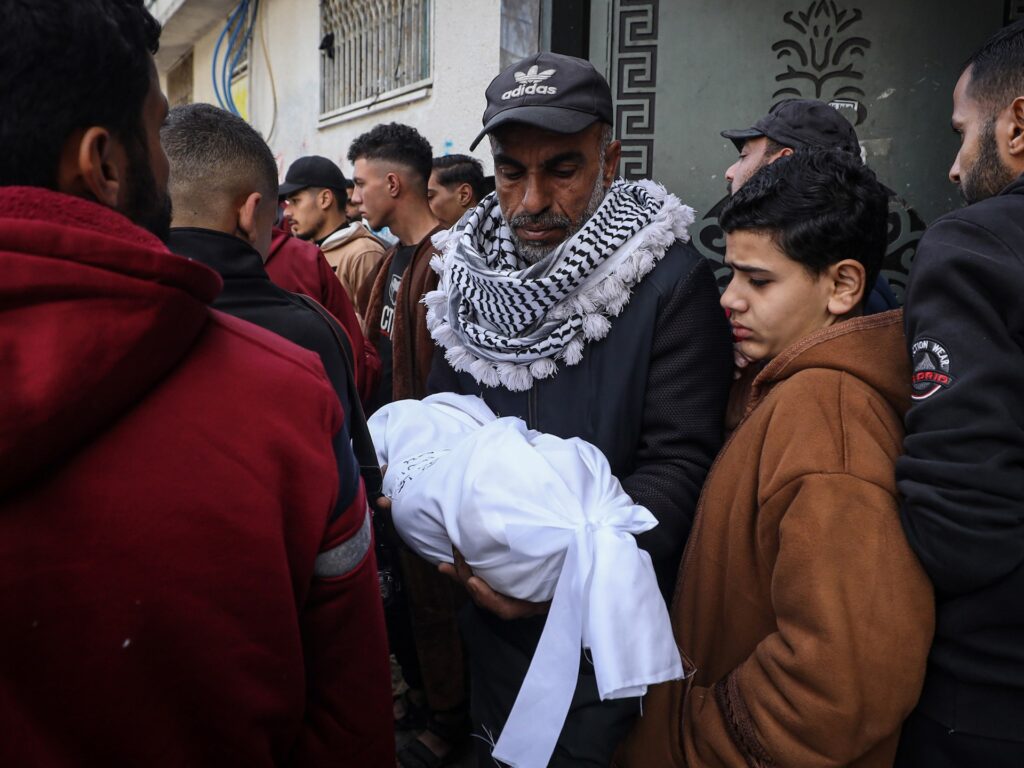
On Wednesday, Israeli airstrikes ravaged Gaza in a series of coordinated attacks that resulted in the deaths of at least 23 Palestinians, including numerous children. These recent strikes have raised profound concerns about the fragile nature of any alleged ceasefire agreements in the region.
The Gaza Strip, a dense and volatile territory, has long been a focal point of conflict between Israeli forces and Palestinian groups. Despite periodic ceasefires intended to reduce violence, such incidents highlight the ongoing volatility and the severe humanitarian impact on civilians.
The attacks on Wednesday targeted multiple locations across Gaza, leading to widespread destruction and intensified fears among the civilian population. Medical officials reported an overwhelming number of casualties, with many of the victims being young children.
The international community has expressed alarm over the escalation of violence. Several human rights organizations have condemned the disproportionate use of force, calling for renewed efforts towards a sustainable and enforceable ceasefire.
Historically, ceasefires in the Gaza conflict have been fragile, often quickly breaking down under mutual accusations of violations. Wednesday’s attacks have cast further doubt on the credibility of these agreements, emphasizing the urgent need for diplomatic interventions.
Local hospitals and emergency responders in Gaza are struggling to cope with the surge in casualties. The shortages of medical supplies and facilities exacerbate the crisis, making it difficult to provide adequate care to the wounded.
The broader geopolitical implications of the violence are significant. Regional players and international stakeholders are closely monitoring developments, weighing their responses amid escalating tensions.
For many residents of Gaza, the recent strikes are a harsh reminder of the persistent dangers they face daily. The psychological toll on the population, especially children who witness or suffer the violence, is profound and long-lasting.
Efforts to mediate peace between Israeli and Palestinian factions have been ongoing but face immense challenges. The recent breach of the so-called ceasefire underscores the complexities in achieving lasting peace.
In conclusion, the deadly Israeli strikes on Gaza that killed more than 20 Palestinians, including children, have shattered hopes for a nearby ceasefire. The event serves as a grim reminder of the fragile peace situation and the urgent need for renewed international diplomatic efforts to protect civilians and restore stability in the region.