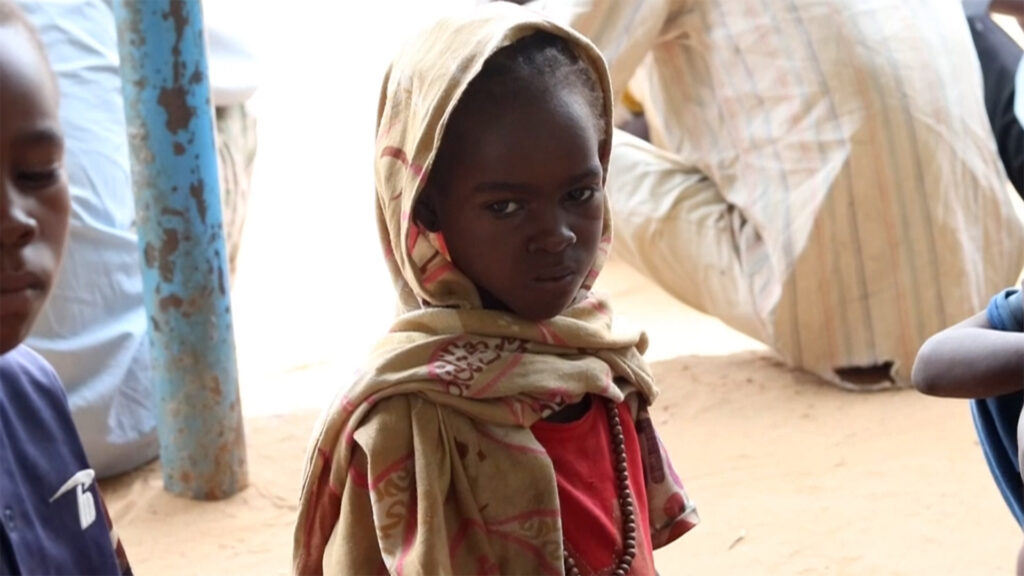
Food security experts have raised alarms about worsening famine conditions in Sudan’s Darfur region. Recent assessments indicate that the towns of Um Baru and Kernoi have now exceeded the famine thresholds for acute malnutrition, signaling a significant deterioration in food security in the area.
The situation in Darfur has been precarious for years due to ongoing conflict, displacement, and climate shocks. These factors have combined to disrupt agricultural activities, reduce food availability, and limit access to essential foods and nutrition.
Experts monitoring the region underscore that acute malnutrition rates exceeding famine thresholds mean that a critical number of children and vulnerable populations are facing life-threatening conditions without urgent intervention. The rates in Um Baru and Kernoi have surged beyond previous measurements, expanding the geographic scope of famine-level nutrition crises.
Humanitarian agencies have been working to deliver aid, but access challenges, security concerns, and insufficient funding constrain their ability to reach all affected communities. The increase in malnutrition rates indicates that current measures are not enough to counter the deepening crisis in Darfur.
Local health facilities report mounting cases of severe acute malnutrition, with many patients requiring inpatient therapeutic care. The scarcity of clean water and sanitation facilities also contributes to the spread of disease, compounding nutritional deficits.
Climatic issues such as prolonged drought and erratic rainfall have led to crop failures, livestock deaths and diminished food production, further undermining the food security of rural populations dependent on farming and herding.
The conflict in Darfur continues to cause displacement, separating families from their homes and livelihoods, and overburdening makeshift camps and host communities where food needs are extensive and growing.
International organizations emphasize that immediate, scaled-up humanitarian assistance is needed, including nutrition support, food aid, water and sanitation services, and protection interventions.
Without swift action, the famine will likely spread to more towns across Darfur, increasing the risk of excess mortality and long-term developmental setbacks.
In summary, the warning about famine conditions spreading to Um Baru and Kernoi highlights the urgent need for intensified global and regional cooperation to address the root causes of food insecurity and provide lifesaving assistance to millions in Darfur.