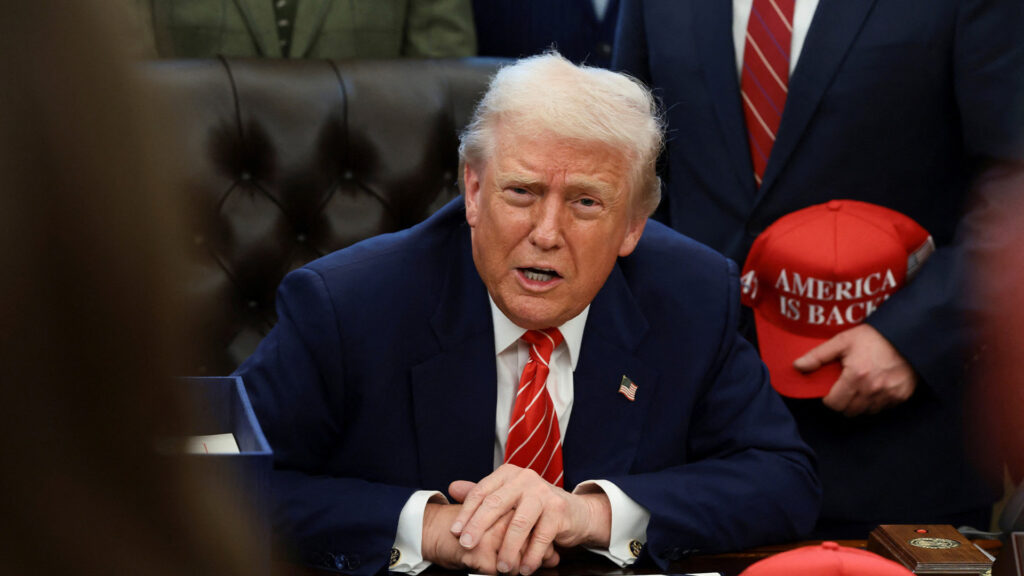
US President Donald Trump has confirmed that discussions with Iran are ongoing amid heightened tensions in the Gulf region. These talks aim to de-escalate the situation and prevent further conflict. The Gulf area has experienced increased strain due to various geopolitical disputes and incidents involving key regional players.
Trump’s assertion comes at a time when international concerns about stability and security in the Gulf are escalating. The talks with Iran are seen as a critical diplomatic effort to address contentious issues and reduce the risk of military confrontations.
The president highlighted the importance of communication channels remaining open to avoid misunderstandings that could lead to conflict. Despite strong rhetoric and sanctions against Tehran, the US administration emphasizes negotiation as a pathway to peaceful resolution.
This approach reflects a complex balancing act of applying pressure on Iran while simultaneously seeking dialogue to manage risks in a volatile region. Continued diplomatic engagement is expected to focus on curbing Iran’s nuclear ambitions, missile programs, and influence in neighboring countries.
The international community watches closely as US-Iran interactions have significant implications for global energy markets, security alliances, and geopolitical alliances involving European, Middle Eastern, and Asian countries.
In recent years, the Gulf has been a hotspot for proxy conflicts, maritime incidents, and political confrontations involving Iran and its rival states. Trump’s comments underscore the urgency for diplomatic efforts to prevent any inadvertent escalation that could lead to wider conflict.
US officials have not detailed specific outcomes from the talks, but the emphasis remains on maintaining dialogue as a tool to reduce tensions. Analysts suggest that these discussions could pave the way for future agreements or confidence-building measures that help stabilize the region.
The ongoing nature of talks signals a willingness on both sides to engage despite deep-rooted mistrust and past conflicts. The situation remains fluid, with global powers advocating for restraint and diplomatic engagement as the best paths forward.
As the situation develops, the international community remains hopeful that continued dialogue will lead to de-escalation and a more secure Gulf environment for all parties involved.