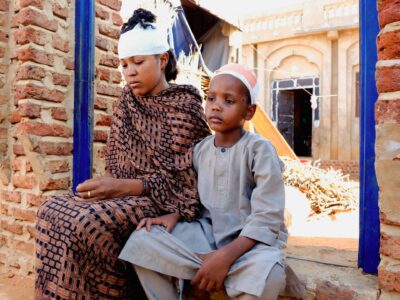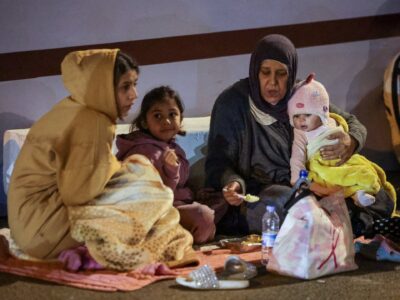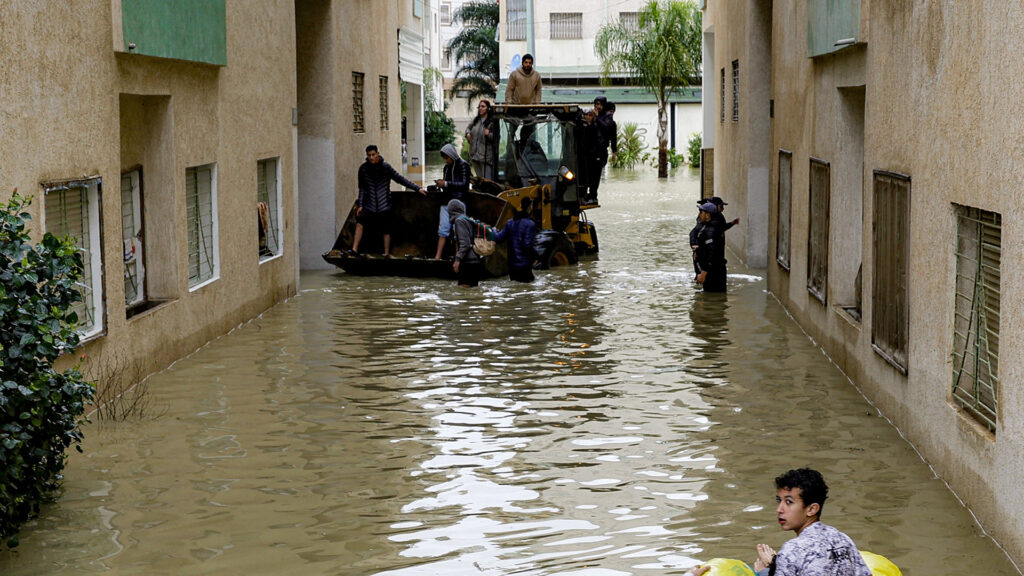
Severe flooding in northern Morocco has led to the evacuation of over 50,000 residents, highlighting the region’s vulnerability to extreme weather events. The torrential rains, which began unexpectedly, have caused rivers to overflow, submerging neighborhoods and damaging infrastructure. Emergency services have mobilized swiftly to assist those trapped by rising waters, setting up temporary shelters and coordinating rescue operations. Authorities warn that the floodwaters may take days to recede, prolonging the displacement of affected communities.
The heavy rains are attributed to a combination of seasonal climatic patterns exacerbated by changing weather conditions, which have intensified rainfall in recent years. This event marks one of the most significant flooding incidents in the region in the past decade, prompting authorities to review and improve flood management and disaster response strategies.
Local governments have appealed for national and international aid to support the relief efforts, emphasizing the urgent need for food, medical supplies, and clean water. Additionally, there is a growing call for investments in infrastructure that can withstand such natural disasters, including better drainage systems and flood barriers.
The plight of the evacuees has drawn attention from humanitarian organizations, who are working alongside government agencies to ensure that evacuees receive adequate care and support. Recovery and rebuilding efforts are expected to be long and challenging, with concerns about potential outbreaks of waterborne diseases due to stagnant floodwaters.
Experts suggest that climate change is likely contributing to the increasing frequency and severity of flooding in North Africa, highlighting the need for comprehensive climate adaptation measures. This recent flood disaster in Morocco serves as a stark reminder of the growing risks posed by environmental changes and the importance of preparedness, resilience, and cooperation at all levels of society to mitigate such impacts in the future.