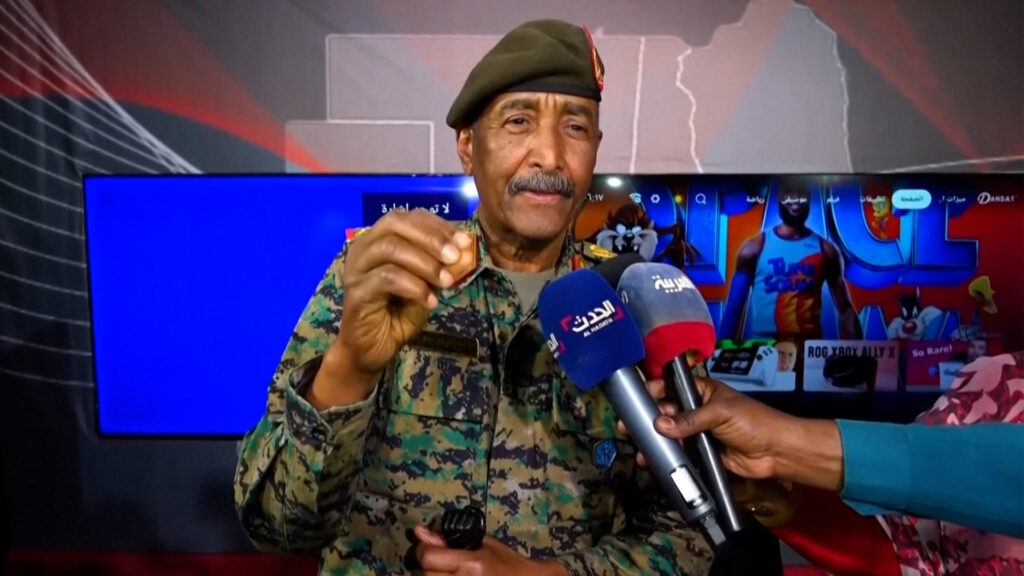
Sudanese military officials have announced a significant breakthrough, successfully ending a prolonged blockade imposed by the Rapid Support Forces (RSF) in the city of Kadugli. This development marks a crucial turning point in the ongoing conflict between Sudan’s official military and the paramilitary RSF.
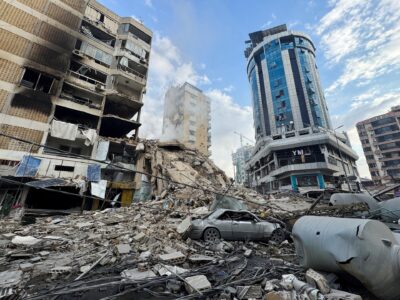
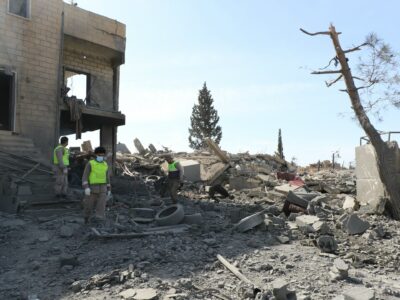
The siege by the RSF had lasted for years, severely restricting movement, access to essential supplies, and basic services in Kadugli, the capital city of South Kordofan state. This blockade contributed to widespread humanitarian challenges, including shortages of food, medical supplies, and critical infrastructure support.
Military sources confirm that intense operations led by the Sudanese Armed Forces (SAF) managed to dismantle key RSF checkpoints and open vital supply routes into Kadugli. The breakthrough was achieved through coordinated ground offensives supported by tactical maneuvers designed to outflank RSF positions.
The RSF, a powerful paramilitary group formed initially from former militias, has been engaged in clashes with the Sudanese military, each vying for control over strategic areas in Sudan. Kadugli is a focal point due to its strategic location and economic significance, making the restoration of government control there a high priority.
This victory for the Sudanese military not only disrupts the RSF’s operational capabilities but also signals a potential shift towards stabilization and improved governance in South Kordofan. Local residents have expressed cautious optimism about the future, hoping for the restoration of public services and reopening of trade routes previously obstructed by the blockade.
Despite the military breakthrough, challenges remain. The humanitarian situation in Kadugli and its environs is still precarious, with many residents displaced by years of conflict and deprivation. Efforts by national and international aid agencies will need to intensify to address urgent needs and support reconstruction efforts.
Political analysts suggest that this development could influence larger peace negotiations between Sudan’s military factions. It underscores the determination of the Sudanese Armed Forces to assert authority over key regions and potentially weaken the RSF’s bargaining power.
The international community has called for calm and renewed dialogue between conflicting parties to prevent further escalation and to foster a durable resolution to Sudan’s internal conflicts.
In summary, the Sudanese military’s breakthrough in Kadugli represents a pivotal event in the country’s ongoing strife, offering a glimmer of hope for residents and signaling potential shifts in the nation’s security and political landscape. Continuous monitoring and support will be vital as the situation evolves.