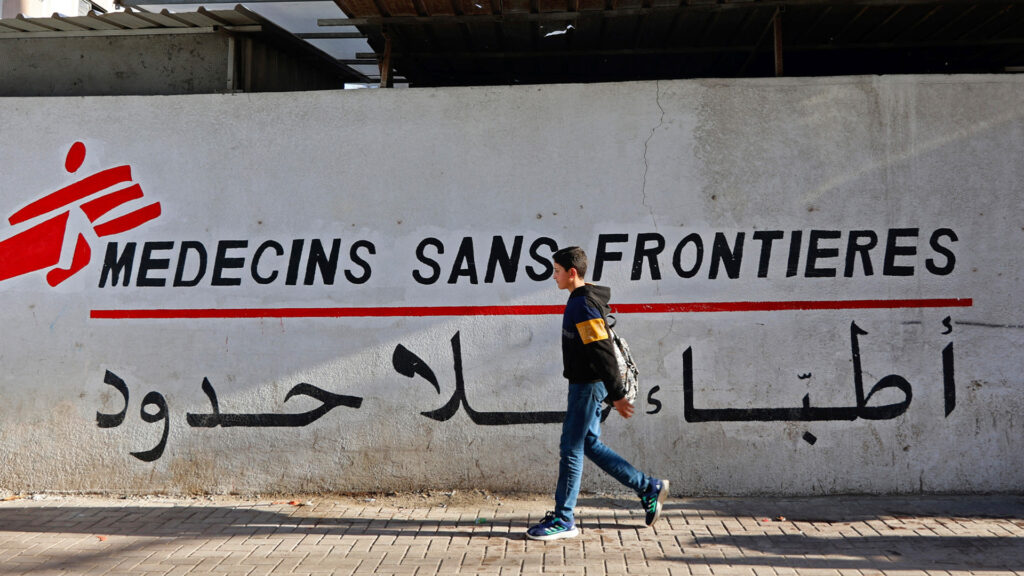
In recent times, Israel has intensified its efforts to limit the operations of non-governmental organizations (NGOs) in Gaza, a region already devastated by ongoing conflicts. The destruction of much of Gaza’s health infrastructure has left the population in dire need of humanitarian assistance. However, Israel is reportedly pressuring 37 NGOs operating in the area to hand over sensitive data, a move that many fear could hinder their ability to provide aid effectively and confidentially.
The Gaza Strip has long been a focal point of conflict, with multiple military operations severely damaging its healthcare facilities, leaving hospitals and clinics struggling to meet the population’s needs. NGOs have been vital in filling these gaps by offering medical aid, support services, and other forms of humanitarian assistance.
Israel’s demand for sensitive information from NGOs is seen by observers as a tactic to undermine their work and exert more control over humanitarian activities in Gaza. NGOs often handle sensitive data related to beneficiaries, medical conditions, and security concerns, which if compromised, could endanger both staff and the people they serve.
This pressure comes amidst heightened tensions and a fraught political environment, where surveillance and control measures are frequently imposed on organizations operating within Gaza. The reluctance of NGOs to comply with demands for data reveals concerns over privacy, safety, and the principle of neutrality crucial for humanitarian work.
International human rights groups have expressed alarm at these developments, emphasizing that obstructing NGOs can exacerbate the already critical humanitarian crisis in Gaza. They argue that aiding vulnerable populations should be prioritized above political or security considerations that impede relief efforts.
Humanitarian workers face a challenging environment marked by restricted access, limited resources, and increasingly stringent regulations that threaten their operational independence. The demands for data disclosure could dissuade some NGOs from continuing their work or force them to scale back essential services.
The Israeli government’s stance is reportedly based on security concerns, citing the need to prevent aid resources from being diverted to hostile groups. However, critics contend that these measures often disproportionately affect innocent civilians reliant on aid for survival.
As Gaza’s health system remains on the brink of collapse, the role of NGOs is more important than ever. Their ability to operate freely and confidentially is essential to provide timely and effective care to thousands in urgent need.
The international community has been called upon to monitor this situation closely, urging Israel to balance legitimate security concerns with the imperative of safeguarding humanitarian assistance. Failure to do so risks deepening the humanitarian crisis and undermining efforts towards peace and stability in the region.
In summary, Israel’s attempts to pressure NGOs for sensitive data amid the destruction of Gaza’s health infrastructure exemplify the complex interplay between security and humanitarian needs in conflict zones. Ensuring that NGOs can operate without undue interference remains a critical challenge in addressing the needs of Gaza’s vulnerable populations.