In a tragic escalation marking one of the deadliest days since the recent ceasefire, Israeli attacks on Gaza resulted in the deaths of 21 Palestinians. The violence has sharply intensified concerns over the fragile truce and the humanitarian situation in the region.
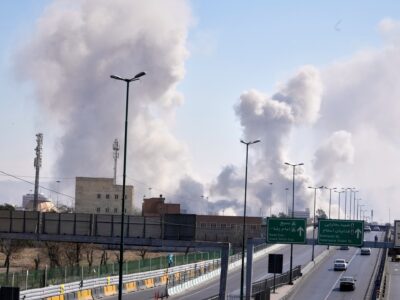
The Israeli military conducted shelling operations targeting the northern part of Gaza, which led to the death of 14 Palestinians. These strikes reportedly hit densely populated areas, exacerbating fears of further civilian casualties and widespread destruction.
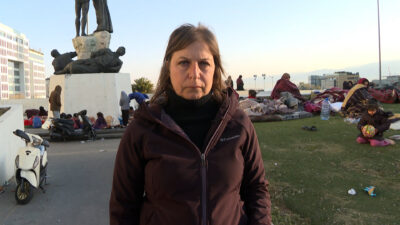
In the southern region of Gaza, attacks focused on tents, killing six Palestinians. These tents were reportedly used as shelters by displaced families, highlighting the severe risks faced by civilians seeking refuge amid ongoing hostilities.
The situation has been further complicated by the suspension of evacuations through the Rafah crossing, which has historically served as a critical exit point for refugees fleeing conflict zones. The halt in evacuations has left numerous civilians trapped in dangerous conditions, intensifying the humanitarian crisis.
The spike in violence follows a period of uneasy calm after a ceasefire agreement intended to halt hostilities between Israeli forces and Palestinian groups. This resurgence of attacks threatens to unravel the fragile peace and raise tensions in the volatile region once more.
International observers and humanitarian organizations have expressed deep concern over the renewed violence and called for immediate steps to protect civilians and ensure access to humanitarian aid. The disruption of evacuation routes and the targeting of civilian areas stand in stark violation of international law and have been widely condemned.
Efforts to mediate and restore the ceasefire are underway, with regional and global powers urging restraint and dialogue to avoid further bloodshed. The recent escalation underscores the urgent need for sustainable peace solutions and the protection of vulnerable populations caught in the crossfire.
The population of Gaza continues to suffer from the consequences of repeated cycles of conflict, with infrastructure damage, displacement, and loss of life impacting the lives of thousands. The latest attacks serve as a grim reminder of the ongoing humanitarian emergency and the challenges of achieving lasting peace in the region.
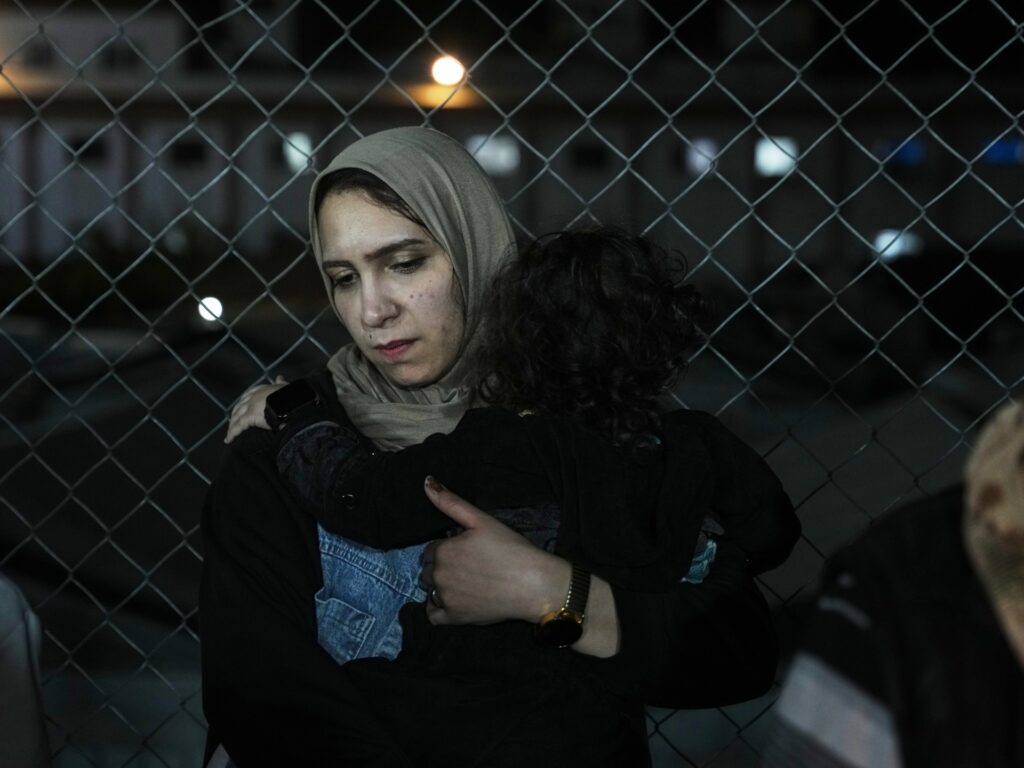
As the situation remains fluid, the international community watches closely, hoping for a de-escalation and renewed commitment to peace negotiations. Meanwhile, families in Gaza grapple with the immediate aftermath of the attacks, mourning their losses and facing an uncertain future.