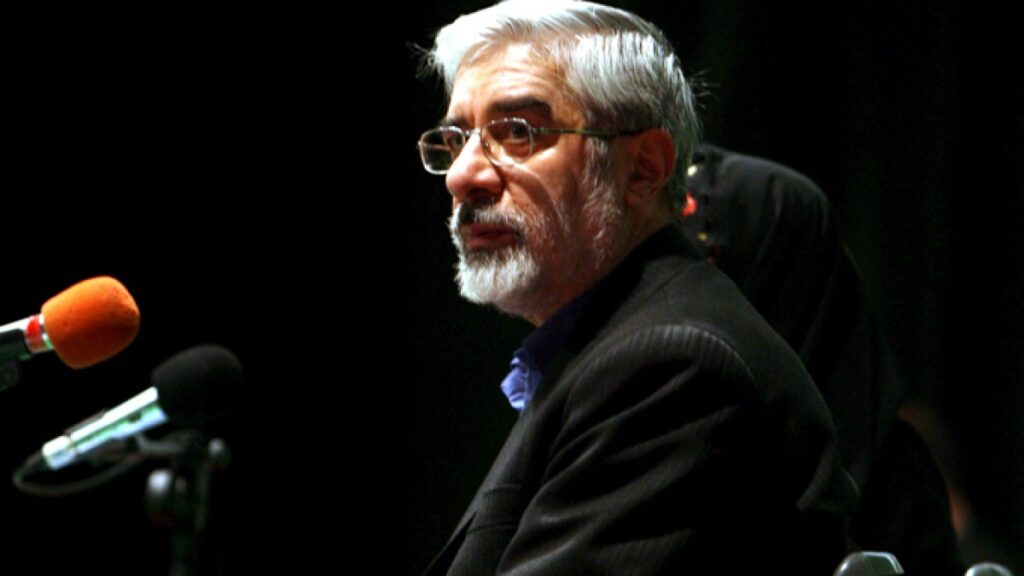
In a stark illustration of deepening divisions within Iran’s political landscape, former reformist leaders and hardliners are clashing vehemently following the recent deadly crackdown on protesters. The unrest, sparked by public outrage over the government’s actions, has escalated tensions within the country’s ruling elite and political factions.
A notable former reformist leader has boldly declared that “the game is over” for the Islamic Republic, signaling a desire for radical transformation or even the complete dismantling of the current regime. This unprecedented statement reflects the frustration and disillusionment among reformist circles, who have criticized the authorities for their harsh response to public dissent.
Meanwhile, at the other end of the political spectrum, conservative lawmakers and hardliners are calling for severe punitive measures against those they blame for inciting the turmoil. Some hardliners have even advocated for the execution of an ex-president, blaming him for policies they claim undermined Iran’s stability and fueled opposition forces.
The protest killings have become a flashpoint that has brought to the surface long-simmering rivalries and ideological battles within Iran’s elite. Reformists have accused the hardliners of squashing freedom and perpetuating violence, while hardliners argue they are defending the country’s Islamic principles and sovereignty against foreign and domestic threats.
Observers note that this infighting could have broader implications for Iran’s internal stability and its foreign relations. The public unrest highlights the growing dissatisfaction among ordinary Iranians, who have faced economic hardships and limited political freedoms.
The calls for the execution of a former president underscore the severity of the crisis and the radicalization among some factions seeking to consolidate power by scapegoating political rivals. Meanwhile, reformist leaders pushing for the end of the Islamic Republic signal a potential shift toward greater demands for systemic change, possibly challenging the long-standing power structure.
This political turmoil follows months of protests that have been met with violent suppression, resulting in numerous casualties. The crackdown has drawn international condemnation and increased calls for accountability.
The ongoing clash between Iran’s ex-leaders and hardliners epitomizes a critical juncture in the country’s political future, where paths diverge between reform and repression. The outcomes of this struggle will likely influence Iran’s domestic policies, its approach toward dissent, and its position on the global stage.
As the situation develops, the world watches closely, awaiting signs of whether Iran will experience a transformative shift or entrench further in authoritarianism. The internal discord portrays a nation grappling with its identity and future amid severe challenges and demands for change.