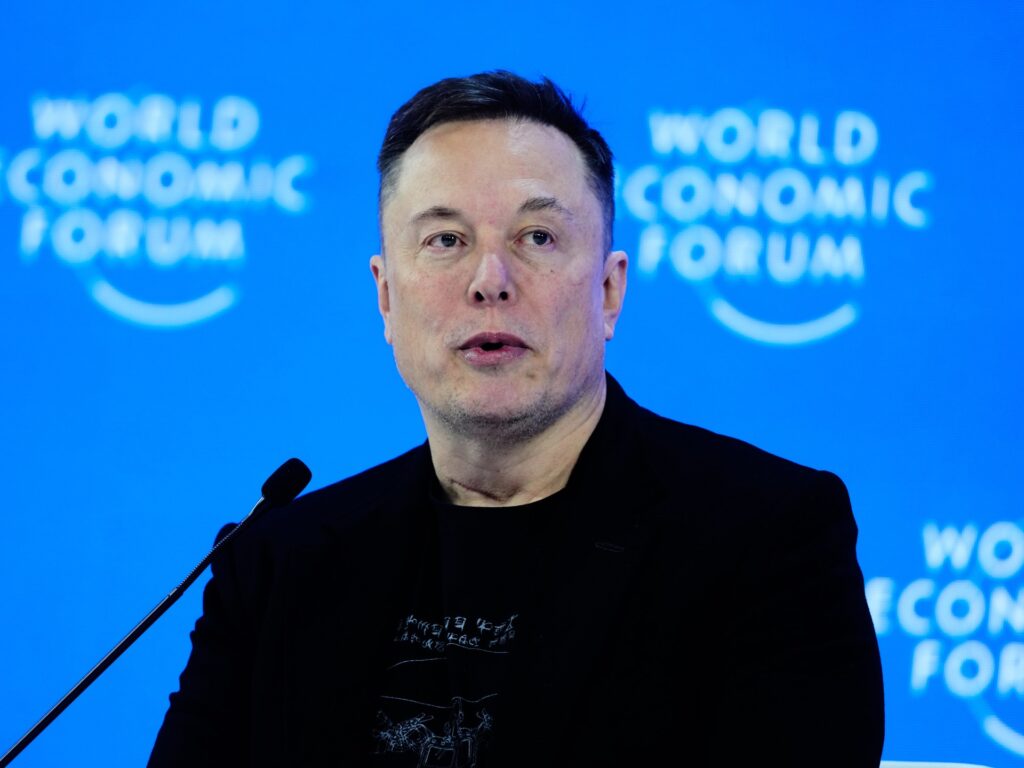
In a dramatic and public confrontation, Elon Musk has labeled Spain’s Prime Minister Pedro Sanchez a ‘tyrant’ after the Madrid government proposed stringent new regulations aimed at curbing social media platforms. This escalation comes as Spain seeks to tighten control over content shared on these platforms, sparking intense debate about freedom of expression and government oversight.
Prime Minister Pedro Sanchez announced the proposed measures in an effort to combat misinformation, hate speech, and harmful content online. The regulations aim to impose stricter accountability on social media companies, requiring them to monitor and remove unlawful posts more aggressively. Authorities also plan to introduce hefty fines for platforms that fail to comply.
The Spanish government’s initiative reflects a growing trend among European nations to implement tougher rules on digital communication and social media governance. Sanchez argues that these measures are necessary to protect citizens from the adverse effects of unchecked content.
However, Elon Musk, the influential entrepreneur and owner of multiple social media enterprises, vehemently opposed the proposed laws. In a scathing public statement, Musk described Sanchez as a ‘tyrant’, criticizing what he views as authoritarian interference in the internet’s free and open nature. Musk’s reaction underscores the tension between regulatory efforts and tech giants’ desires to maintain autonomy over their platforms.
Musk’s sharp condemnation has resonated across social media channels, igniting conversations on the balance between regulation and free speech. Critics of the Spanish government also worry that these regulations could set a precedent for excessive government control over online discourse, potentially stifling dissent and innovation.
Supporters of the regulations argue that governments have a duty to intervene when social media platforms neglect to manage harmful content effectively. They believe that clear legal frameworks help establish responsibilities and safeguard users from online abuses.
Spain’s move aligns with global concerns about the power of social media in shaping public opinion, political processes, and societal norms. While social media enables connectivity and information sharing, it also presents challenges such as the spread of fake news and cyberbullying.
The clash between Musk and Sanchez highlights the broader debate on the role of governments versus private companies in regulating digital spaces. Musk’s criticism suggests that tech leaders resist what they see as encroachments on internet freedom, while policymakers argue for protective measures to ensure safer online environments.
As the proposed regulations advance through parliamentary discussions, dialogue between stakeholders remains crucial. Balancing technological innovation, business interests, user protections, and democratic values presents a complex challenge.
The outcome of this dispute may influence not only Spain but also other countries considering similar social media governance frameworks. Observers around the world are watching closely to see how this high-profile disagreement unfolds.
In conclusion, Elon Musk’s branding of Spain’s Prime Minister as a ‘tyrant’ in response to the proposed social media curbs reflects an escalating conflict over digital regulation. This controversy underscores the urgent need to find common ground between ensuring free expression and protecting society from digital harms in an increasingly connected world.