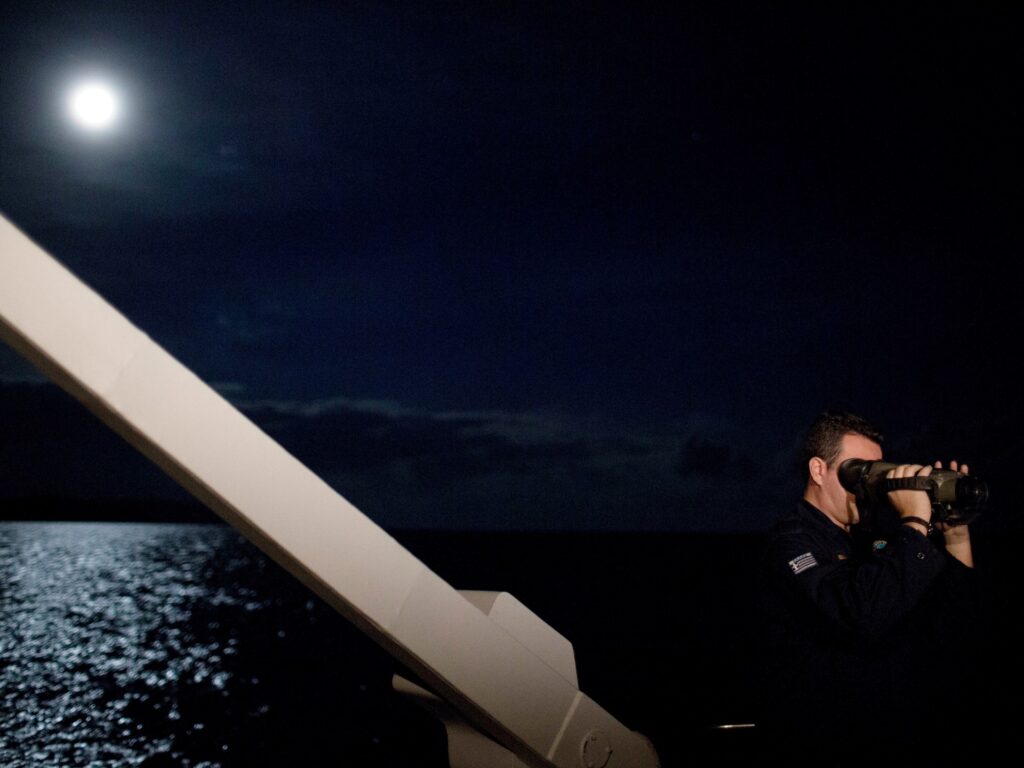
A tragic incident unfolded in the Aegean Sea as a collision between a Greek coastguard vessel and a migrant boat resulted in the deaths of at least 14 individuals. The Greek coastguard has confirmed that 26 other people were rescued from the waters following the accident. Search-and-rescue operations are ongoing as authorities work tirelessly to locate any additional survivors or victims.
The accident underscores the continuing dangers faced by migrants attempting to cross the sea, often in overcrowded or unseaworthy vessels. The Aegean Sea has been a focal point for migrant crossings, with many fleeing conflict or poverty in search of safer and better lives in Europe.
Greek coastguard officials responded quickly to the collision, deploying rescue boats and helicopters to the area to assist the survivors and search for those missing. The identities and nationalities of the migrants involved have not yet been fully disclosed, as authorities focus on the rescue efforts and investigation into the cause of the collision.
Humanitarian organizations have expressed deep concern over the incident, emphasizing the continued risks migrants face on their perilous journeys. They have called for stronger international cooperation to prevent such tragedies and to provide safe and legal alternatives for migration.
In response to the accident, the Greek government has promised to conduct a thorough investigation to determine the factors that led to the collision. This will include examining the actions of both the coastguard vessel and the migrant boat, as well as assessing whether any procedural or operational lapses occurred.
Rescue efforts have involved coordination between various emergency services, including the Greek Coastguard, the Hellenic Air Force, and local volunteer groups. The difficult sea conditions and the timing of the incident have complicated the search operations, but authorities remain committed to finding any remaining people who may be stranded.
Survivors who have been rescued are receiving medical attention and support from healthcare providers and aid organizations. Psychological support is also being made available to help them cope with the trauma of the ordeal.
The collision serves as a stark reminder of the human cost of migration crises and the need for comprehensive solutions that address root causes and protect vulnerable individuals. Ongoing efforts to improve maritime safety, enhance rescue capabilities, and raise awareness about the dangers of irregular migration are critical in preventing future loss of life.
As the investigation continues and rescue operations proceed, the Greek Coastguard and international partners reiterate their commitment to safeguarding lives at sea and ensuring that lessons are learned from this tragic event. The focus remains on saving lives and providing assistance to those affected by this heartbreaking collision.