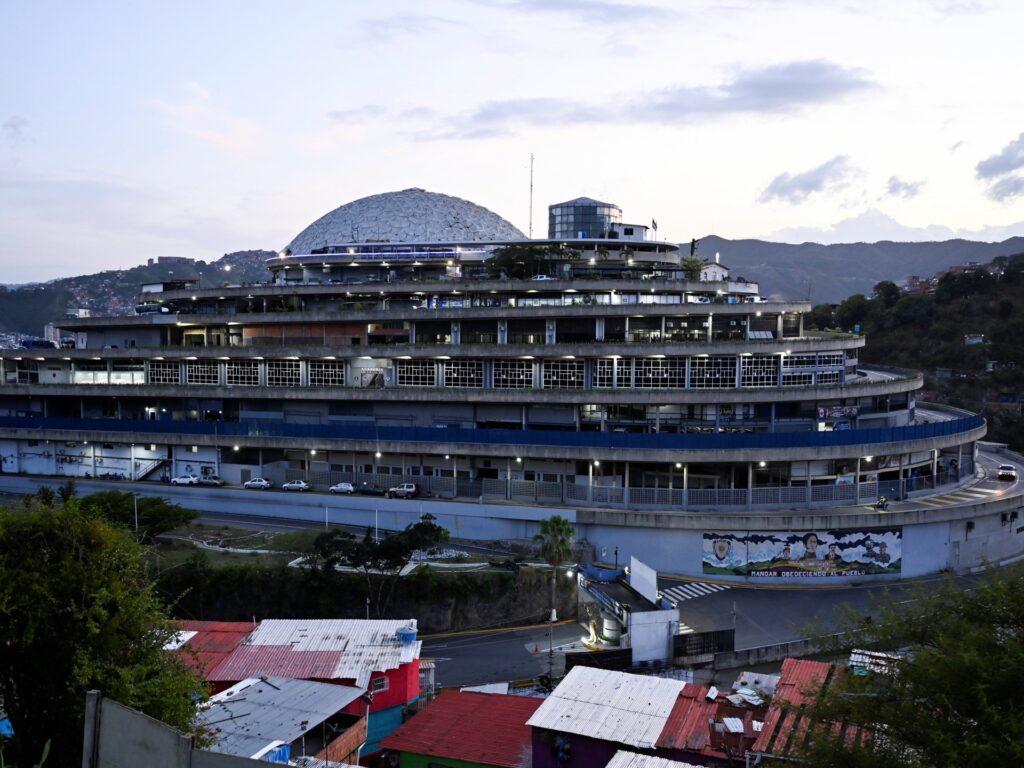
In a significant development amid a series of prisoner releases, Venezuelan rights activist Javier Tarazona has been freed after spending four years behind bars. Tarazona was imprisoned on charges of terrorism and conspiracy, accusations that human rights groups have consistently condemned as politically motivated.
Javier Tarazona, known for his fearless advocacy for human rights in Venezuela, was detained in a crackdown that targeted various activists and dissenters. His imprisonment drew international criticism, with many organizations calling for his immediate release and highlighting the plight of prisoners of conscience in the country.
The release comes as part of a broader move by Venezuelan authorities to ease tensions and respond to mounting pressure from both domestic and international communities concerned about human rights violations and political repression. This prisoner release wave signals a potential, albeit cautious, shift in the government’s stance toward political opponents and activists.
Tarazona’s detention had a chilling effect on the Venezuelan civil society, stifling activism and raising fears among other advocates. His release is being seen as a hopeful sign by human rights defenders that advocacy and mobilization can yield results even in the most challenging environments.
Reactions to Tarazona’s liberation have been overwhelmingly positive, with various advocacy groups praising the decision and urging the government to continue releasing other political prisoners. The international community views this action as a step forward in addressing Venezuela’s long-standing human rights issues.
Despite this progress, many challenges remain. The Venezuelan government faces ongoing allegations of suppressing dissent and violating rights. Activists like Tarazona play a crucial role in bringing these issues to light, making their freedom vital for the continued promotion of justice and democracy.
The release of Javier Tarazona not only marks a personal victory for the activist but also represents a beacon of hope for human rights in Venezuela. It underscores the resilience of those who fight for justice and the importance of sustained advocacy to protect fundamental freedoms.
As Venezuela continues to navigate its complex political landscape, the international community and rights organizations will be closely monitoring the government’s actions and its treatment of dissidents. The freeing of Tarazona might pave the way for a more open dialogue and improved conditions for activists and free expression.
In summary, the liberation of Javier Tarazona after four years of incarceration is a momentous occasion in Venezuela’s human rights journey. It highlights the power of perseverance in the face of oppression and signals the possibility of progress in a country long plagued by political and humanitarian challenges.