In a recent ruling that has garnered significant public attention, a US judge declined to halt the surge of immigration in Minnesota, despite widespread protests and vocal criticism. The decision has sparked a fierce debate over the ongoing immigration policies and their impact on local communities. The city of Minneapolis has become a focal point for this issue, with its mayor openly criticizing the judge’s ruling. The mayor described the Trump administration’s immigration crackdown as “an invasion,” highlighting the tensions between local authorities and federal enforcement efforts.
The judge’s ruling means that the current immigration policies, including increased detention and deportation efforts, will continue unabated in Minnesota. This development has angered many local residents and activists who argue that the policies are too harsh and disregard the rights and well-being of immigrant communities.
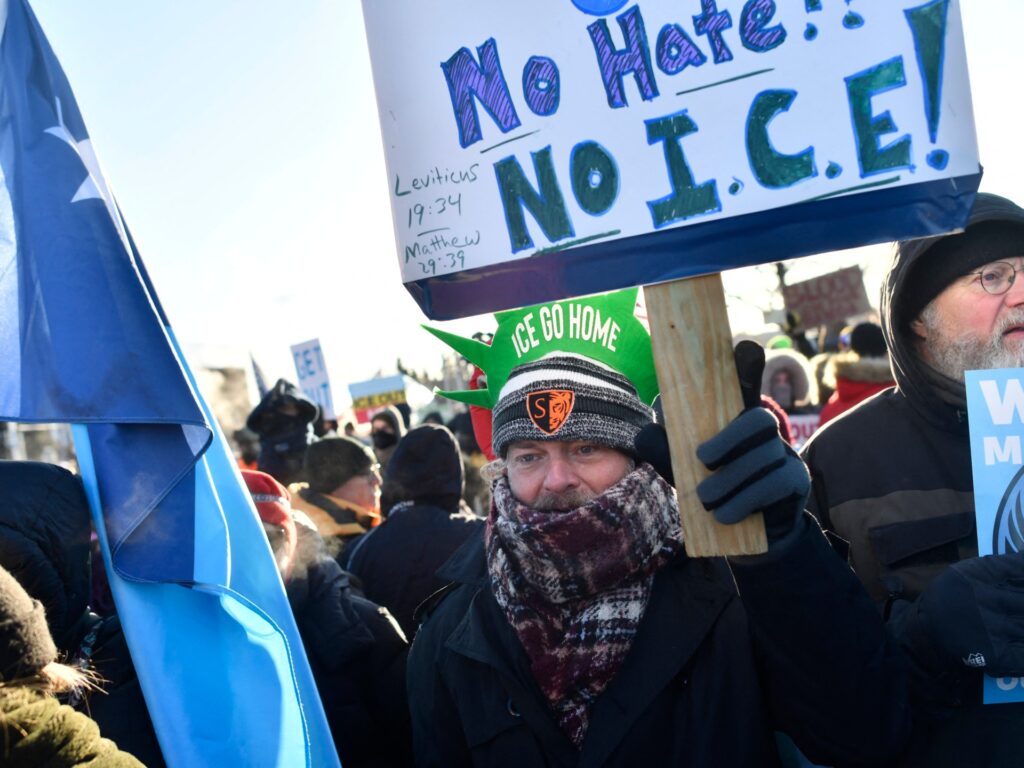
Protests erupted in response to the ruling, with large crowds gathering in Minneapolis and other parts of the state. Demonstrators called for a halt to the immigration surge and demanded more humane treatment for immigrants. They accused the federal government of disrupting the social fabric of their communities through aggressive enforcement tactics.
The mayor of Minneapolis has been particularly outspoken, condemning the influx as an “invasion” and urging federal officials to reconsider their approach. This strong rhetoric reflects deep frustrations with the administration’s strategy, which many local officials believe undermines trust between immigrant populations and law enforcement.
On the other side, supporters of the judge’s ruling argue that maintaining strict immigration controls is essential for public safety and the enforcement of national laws. They contend that the surge in immigration poses challenges that must be addressed by enforcing existing policies firmly.
The controversy highlights the broader national debate over immigration reform. While the federal government emphasizes border security and law enforcement, many states and cities advocate for more compassionate policies that protect immigrant rights and integrate newcomers into society.
Analysts note that this case could set a precedent for how immigration policies are contested in courts and implemented at local levels. As other cities watch closely, the outcome in Minnesota might influence the ongoing debate about the balance between federal authority and local autonomy in immigration matters.
Community leaders are calling for dialogue and solutions that address the root causes of migration as well as the immediate concerns raised by enforcement actions. They emphasize the need for policies that respect human dignity while ensuring security.
In summary, the US judge’s refusal to halt the immigration surge in Minnesota amid protests has intensified discussions about immigration policy, enforcement, and community impact. The Minneapolis mayor’s condemnation of the Trump administration’s approach underscores the deep divisions in how immigration is handled in the United States. With tensions high and protests ongoing, this issue remains at the forefront of political and social discourse, highlighting the urgent need for comprehensive immigration reform.