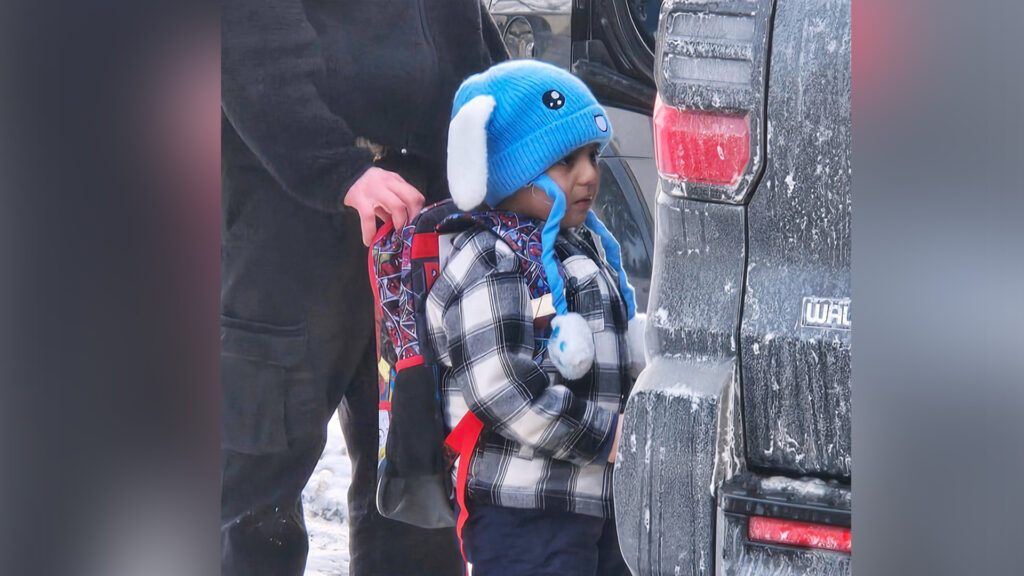
A U.S. judge has ordered the release of a five-year-old child and his father from Immigration and Customs Enforcement (ICE) detention, criticizing the circumstances that led to their detention as stemming from “ill-conceived and incompetently-implemented” deportation quotas. This recent decision highlights significant concerns about the impacts of immigration enforcement practices on families, particularly young children.
The case has brought to light the challenges that arise when immigration authorities implement deportation policies that prioritize meeting numeric quotas over individual circumstances. The judge emphasized that the enforcement actions taken in this instance lacked appropriate discretion and understanding, resulting in the unnecessary detention of a young child alongside his father.
ICE detention centers are often criticized for their conditions and the psychological toll they take on detainees, especially children. The release order has been welcomed by advocacy groups who argue that the family’s detention was unjust and that immigration enforcement should prioritize humane treatment and family unity.
This incident sheds light on the broader implications of deportation quotas set by immigration authorities. While intended to accelerate the removal process for those without legal status, these quotas may inadvertently encourage the detention of individuals who do not pose a threat to public safety, including children.
Legal experts point out that the case exemplifies the pitfalls of inflexible quotas that do not allow for discretion based on the circumstances of each case. Deportation policies that fail to consider the welfare of detainees, particularly minors, may lead to legal challenges and calls for reform.
The judge’s ruling not only led to the immediate release of the five-year-old and his father but also sends a strong message about the importance of implementing immigration policies with fairness and competency. It underscores the necessity for immigration authorities to reevaluate their enforcement strategies and prioritize the humane treatment of vulnerable populations.
Advocates urge policymakers to reconsider deportation practices and to ensure that families are protected from detention that could have long-lasting adverse effects on children’s mental and emotional health. This case serves as a potential catalyst for discussions on how to balance immigration enforcement with compassion and respect for human rights.
ICE and other immigration enforcement bodies face increasing scrutiny over their detention practices, with calls from multiple sectors including legal, social, and humanitarian organizations. Critics argue that policies based on strict quotas create incentives to detain families unnecessarily, exacerbating the trauma experienced by children and their parents.
The release order is a legal victory for the detained family and a spotlight on the need for reform in immigration enforcement practices. Going forward, it may prompt changes aimed at preventing similar cases where quotas overshadow the best interests of detainees, particularly children.
In summary, the judge’s decision to order the release of the young child and his father highlights the critical issues surrounding deportation quotas within U.S. immigration enforcement. It marks a call for more thoughtful, just, and compassionate immigration policies that protect vulnerable families while maintaining regulatory objectives.