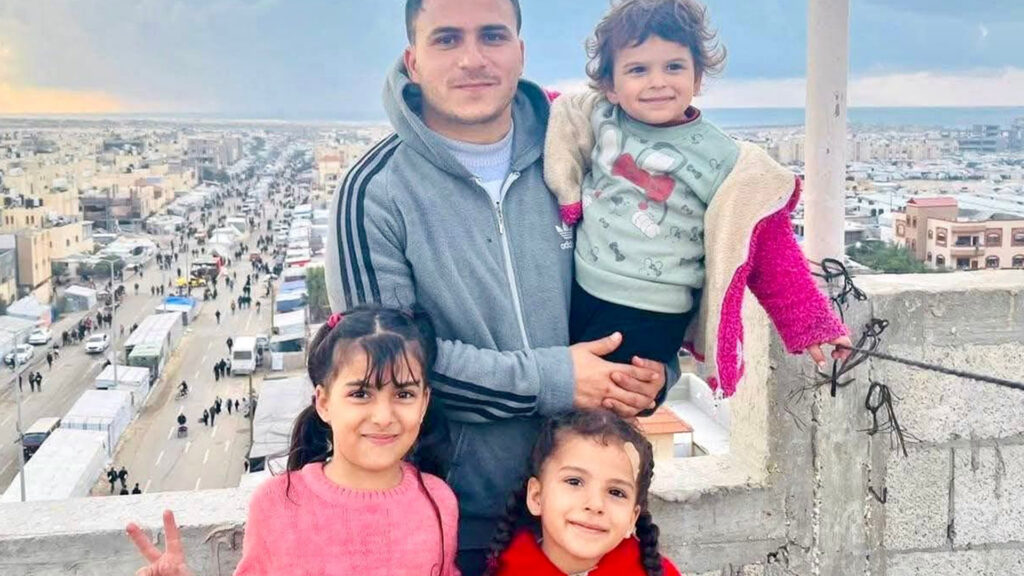
The recent ceasefire agreement in Gaza, brokered by the United States, aimed to halt the ongoing violence and provide a respite for the war-torn region. However, reports indicate a tragic escalation rather than a cessation of hostilities, with more than 500 Palestinians killed by Israeli forces since the agreement was put into place.
The ceasefire was expected to bring an end to the brutal conflict that has caused widespread devastation and loss of life across Gaza. Nevertheless, the deadly toll continues to climb, casting serious doubts on the effectiveness and enforcement of the ceasefire terms.
This latest surge in casualties highlights the precarious and fragile nature of peace efforts in the region. Despite diplomatic attempts, the conflict remains deeply rooted in long-standing political and territorial disputes, making a sustainable resolution all the more challenging.
Human rights organizations and international observers have condemned the ongoing killings during what was supposed to be a period of calm. The disproportionate use of force by Israeli military operations against Palestinian civilians has raised severe humanitarian concerns and accusations of violations of international law.
Local sources report numerous incidents where homes, schools, and medical facilities have been caught in the crossfire or targeted directly, exacerbating the already dire situation for Gaza’s civilian population. These actions have devastating consequences on families and communities, many of whom were hopeful the ceasefire would provide some relief and security.
The US-brokered ceasefire, while a significant diplomatic milestone, has yet to translate into tangible peace on the ground. The persistence of violence underscores the need for renewed and intensified international efforts to address the root causes of the conflict and to establish mechanisms that ensure compliance with ceasefire agreements.
Moving forward, there is an urgent call from global leaders and peace advocates to resume dialogue and implement measures that protect civilians and facilitate humanitarian aid. Without a robust framework for monitoring and accountability, such ceasefire agreements risk being rendered ineffective, leading to repeated cycles of violence.
As the world watches, the suffering of the Palestinian people continues, demanding a reevaluation of strategies and commitments from all parties involved to achieve lasting peace and justice in the region.