Amid ongoing tensions between the United States and Iran, an Iranian official, Ali Larijani, has announced significant progress in the efforts to establish a framework for renewed negotiations. Larijani, a senior Iranian political figure, indicated that discussions aimed at formulating a concrete basis for further diplomatic talks are advancing steadily, reflecting a cautious optimism despite the strained relations.
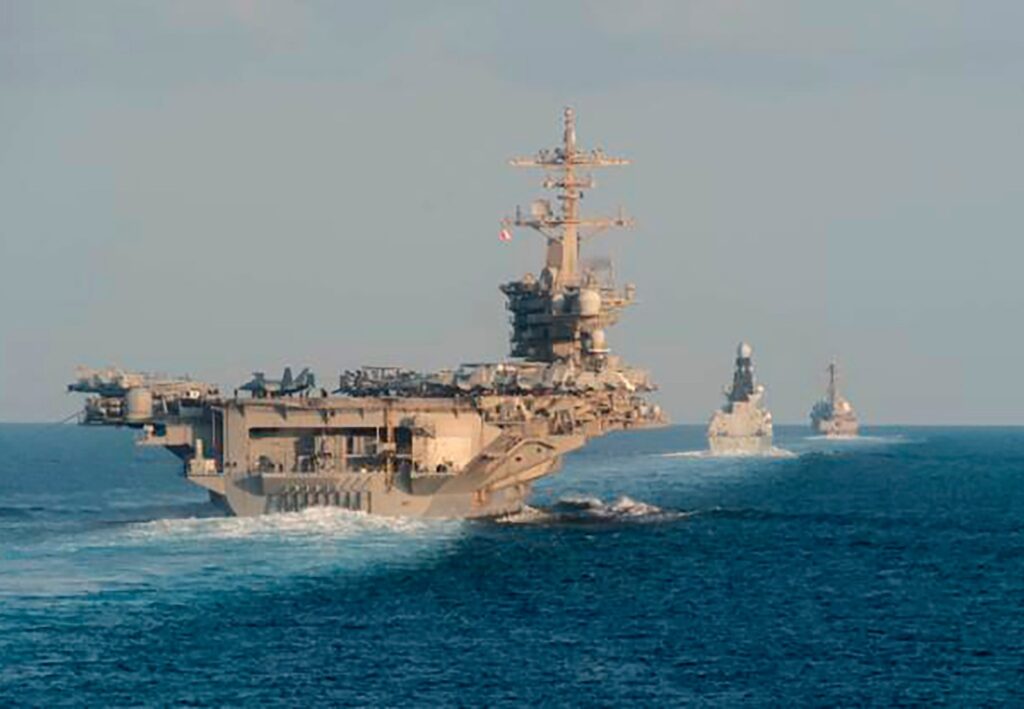
The announcement comes against the backdrop of continued US naval deployments in the Gulf region, which have heightened concerns about potential escalations. These military movements are viewed by many as a sign of underlying geopolitical friction, exacerbating the already delicate atmosphere between the two nations.
Larijani’s comments suggest that while military posturing persists, there remains a diplomatic avenue being actively explored, which could pave the way for de-escalation and dialogue. Efforts to resume talks seek to address the core issues that have long fueled discord, including Iran’s nuclear program and regional security dynamics.
The complex relationship between the US and Iran has been marked by cycles of confrontation and limited engagement over the years. The recent developments indicate a possible shift towards renewed diplomacy, though analysts caution that any progress is fragile and contingent on broader geopolitical factors.
US naval presence in the Gulf, intended to ensure maritime security and protect shipping lanes, has been interpreted by Tehran as aggressive and provocative. This perception has led to heightened alertness and military readiness on both sides, increasing the risk of misunderstandings or unintended incidents.
Meanwhile, diplomatic channels appear to be keeping a cautious line open. Talks involving intermediaries and international stakeholders continue behind the scenes, aiming to build mutual confidence and create conditions conducive to formal negotiations.
Leading experts note that the advancement in talks, as highlighted by Larijani, is an encouraging sign that diplomacy remains a viable path despite current challenges. There is recognition that open communication is critical to preventing conflict and fostering regional stability.
However, the situation remains fluid, with external factors such as regional alliances, domestic political pressures, and international sanctions playing influential roles in shaping the outcome.
The global community is watching closely, given the implications of US-Iran relations on broader Middle Eastern security and energy markets. Any breakthrough in negotiations could have significant repercussions, potentially opening doors for cooperation and conflict resolution.
In summary, while tensions persist due to US military actions and geopolitical mistrust, the reported progress in talks between Iran and the United States underscores a willingness on both sides to seek diplomatic solutions. Continued engagement, transparency, and measured actions will be essential to building on this progress and reducing the risk of escalation in the volatile Gulf region.