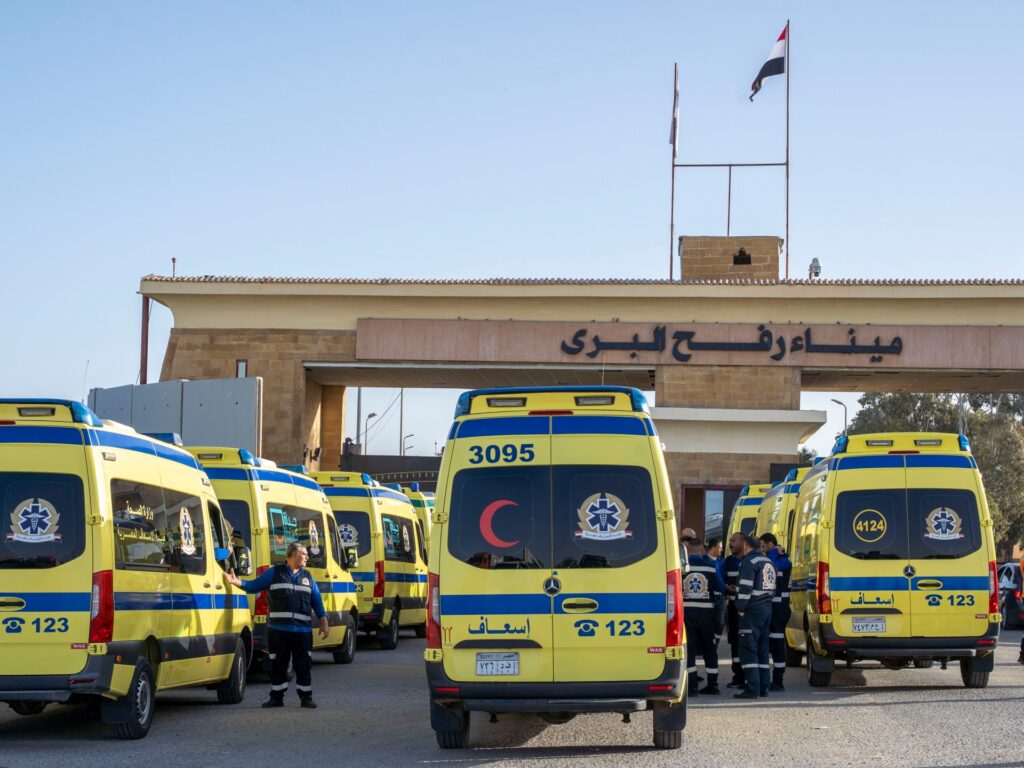
In a significant development amid escalating tensions and violence, Israel has reopened the Rafah crossing with Egypt, a crucial gateway for Gaza. This crossing had been closed for nearly two years, and its reopening marks an important moment for the movement of people in and out of Gaza. The reopening is described as allowing ‘limited movement of people’ and comes during ongoing security tests to ensure safety and stability.
The Rafah crossing is the only passage between Gaza and Egypt, making it vital for humanitarian aid, medical cases, and general travel for residents of Gaza. This reopening comes at a time when the region is experiencing a surge in attacks, with dozens reported killed in recent violence. The decision to reopen the crossing is likely influenced by the pressing need to provide relief and access for civilians caught in the conflict.
Israeli authorities have emphasized that the reopening is controlled and limited, with strict security protocols in place. These measures are intended to prevent any potential threats while facilitating necessary movement during this difficult period. Egypt, a key player in regional stability, has also played a role in coordinating the reopening and monitoring the situation at the border.
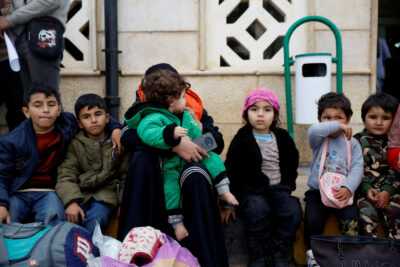
The closure of the Rafah crossing for nearly two years has had significant impacts on the people of Gaza, limiting access to essential goods, medical treatment abroad, and the ability to travel for social or economic reasons. By allowing limited movement, the reopening offers a glimmer of hope for easing some hardships faced by Gaza’s population.
This move may also have broader political implications. The situation in Gaza remains volatile, with international attention focused on the humanitarian crisis and the ongoing conflict. Opening the border crossing could be seen as a step towards reducing tensions or managing the crisis more effectively through cooperation between all involved parties.
Despite this positive development, the situation remains fragile. The opening is limited and temporary, with the potential for changes depending on security assessments and developments on the ground. Both Egypt and Israel are closely monitoring the situation to ensure that the crossing does not become a conduit for increased violence or unauthorized movement.
Humanitarian organizations and international observers have welcomed the reopening but continue to call for sustained access and a broader resolution to the crisis in Gaza. There is consensus that while limited movement is a start, consistent and safe passage is necessary to address the deep-seated issues facing the region’s civilian population.
In summary, the reopening of the Rafah crossing represents a cautious but important step amid a backdrop of recent violence and loss of life. It highlights the complexities of balancing security concerns with humanitarian needs and opens a potential pathway for relief and communication in a highly tense and volatile situation. The coming days and weeks will be critical in determining how this reopening impacts the broader conflict and the people of Gaza.