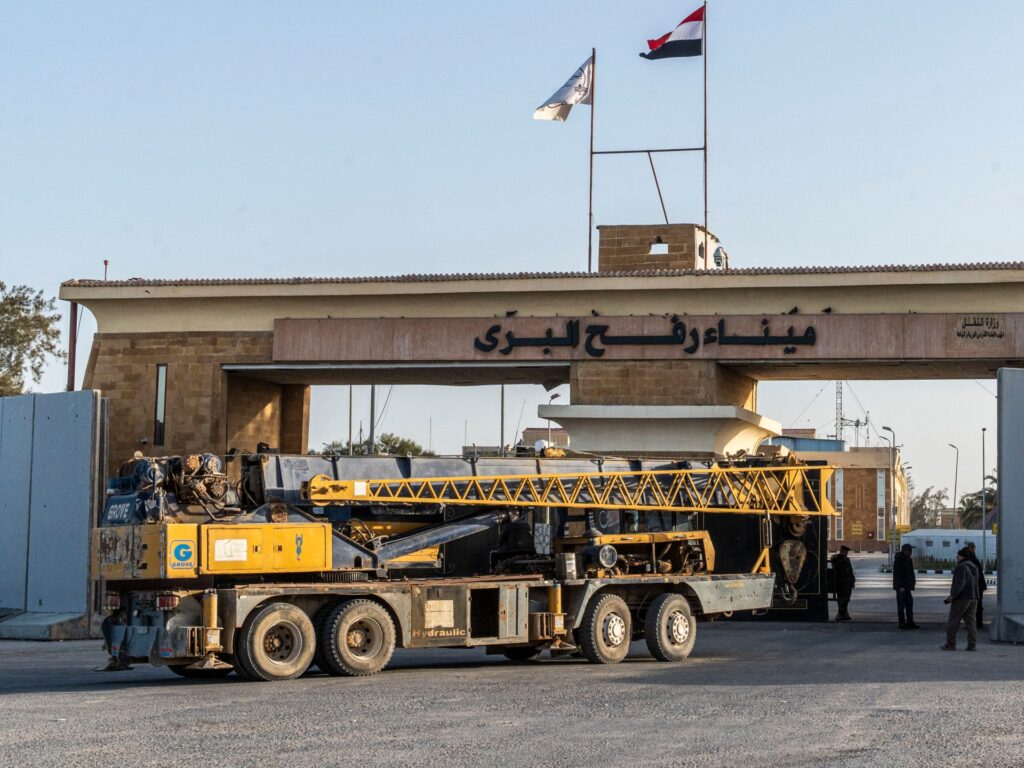
In a significant move amid ongoing tensions, Israel has temporarily opened the Rafah border crossing between Gaza and Egypt after nearly two years of closure. This reopening is described as a ‘security trial’ that allows for limited movement of people through the crucial crossing point.
The decision comes in the wake of violent attacks that have resulted in dozens of fatalities, exacerbating already high tensions in the region. The Rafah crossing has long been a vital lifeline for Gaza residents, who rely on it for access to the outside world, medical care, and essential goods.
The reopening aims to provide humanitarian relief and some respite to the people of Gaza while Israeli security forces conduct thorough assessments during this trial period. Movement through Rafah will be tightly controlled and monitored to prevent any security threats.
The closure of the Rafah crossing for almost two years has severely restricted Gaza’s connection to the outside world, contributing to significant economic hardships and limiting access to critical resources.
Egypt, which controls the other side of the crossing, has cooperated with the reopening under agreements with Israel, aiming to balance security concerns with humanitarian needs. The international community has welcomed the move, viewing it as a potential step toward easing Gaza’s isolation and fostering dialogue.
Security officials in Israel are closely monitoring the situation, coordinating with Egyptian authorities to ensure that the reopening does not compromise safety. The trial period will be pivotal in determining the future status of the crossing.
Meanwhile, the recent attacks have intensified calls for renewed diplomatic efforts to address the underlying conflict and prevent further loss of life. Human rights groups emphasize the need for sustained access for Gaza’s population to basic services and humanitarian aid.
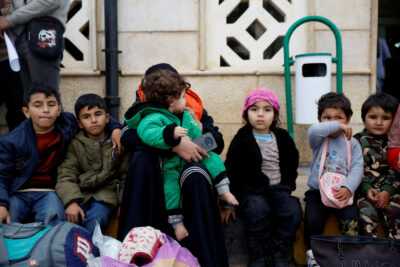
The Rafah crossing’s limited reopening is seen as a cautious but hopeful development in a complex and volatile context. While it does not signal a full lifting of the blockade on Gaza, it represents a tentative step toward relief for residents who have endured prolonged hardship.
Regional leaders are closely watching the trial, with hopes that it could pave the way for more comprehensive measures to improve security and humanitarian conditions in Gaza.
As the situation evolves, attention remains fixed on the safety and well-being of civilians caught in the conflict, with efforts underway to find durable solutions to the ongoing crisis.
The coming weeks will be critical in assessing the impact of the Rafah crossing reopening on both security dynamics and humanitarian conditions within Gaza and the wider region.