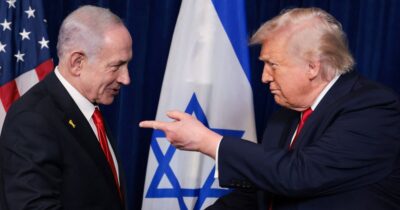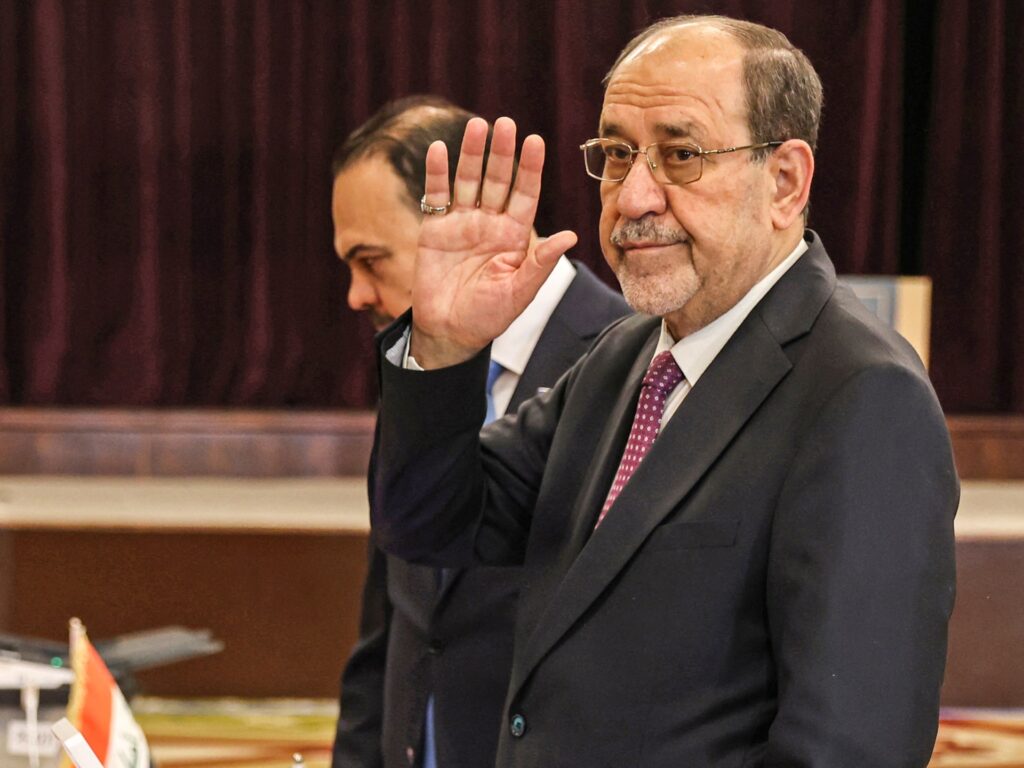
In a recent political development in Iraq, the Shia bloc known as the Coordination Framework has reaffirmed its unwavering support for former Prime Minister Nouri al-Maliki. This comes despite mounting pressures and threats from external actors, notably from former U.S. President Donald Trump and his administration’s stance on the Iraqi political landscape.
The Coordination Framework, a significant coalition within Iraq’s parliamentary system representing the Shia majority, emphasized that the selection of the Prime Minister is purely an internal constitutional matter. They stated that such decisions must be made based on Iraq’s own political and legal frameworks without foreign interference.
Nouri al-Maliki, a prominent figure in Iraqi politics, served two terms as Prime Minister and remains influential within the Shia political arena. The bloc’s reaffirmation hints at a continuation of al-Maliki’s political relevance, especially in the wake of political uncertainty and competing factions vying for power.
The backdrop to these events includes recent statements and actions attributed to Donald Trump, which were perceived as threats or undue influence over Iraq’s sovereign political processes. Despite this, the Coordination Framework’s statement signifies a firm resistance against external pressures. They advocate for respect of Iraq’s sovereignty and political independence.
This announcement also reflects the broader tensions that have characterized Iraq’s political environment following the U.S. military withdrawal and the shifting regional dynamics. Iraq continues to navigate complex relationships with global powers while striving to maintain domestic stability.
Supporting al-Maliki underlines the Coordination Framework’s strategy to present a united front within Iraq’s Shia factions. It also signals their readiness to engage with other political entities in forming a government based on constitutional legitimacy and national consensus.
Observers note that this stance by the Coordination Framework could affect Iraq’s internal politics significantly. It may influence coalition-building efforts and the balance of power within the Iraqi parliament.
Furthermore, the bloc’s position challenges external actors to respect the democratic and constitutional processes of Iraq. It highlights the importance of homegrown solutions to Iraq’s political challenges rather than imposed decisions.
In conclusion, the Coordination Framework’s support for al-Maliki and their assertion that the Prime Ministerial selection is an internal matter underscore the ongoing struggle for Iraq’s political direction. It reflects the nation’s desire to uphold sovereignty amidst both internal divisions and external pressures.
As Iraq approaches future political milestones, including government formation and policy decisions, the role of influential blocs like the Coordination Framework will be pivotal. Their stance serves as a reminder of the delicate balance between domestic governance and foreign influence in shaping Iraq’s path forward.