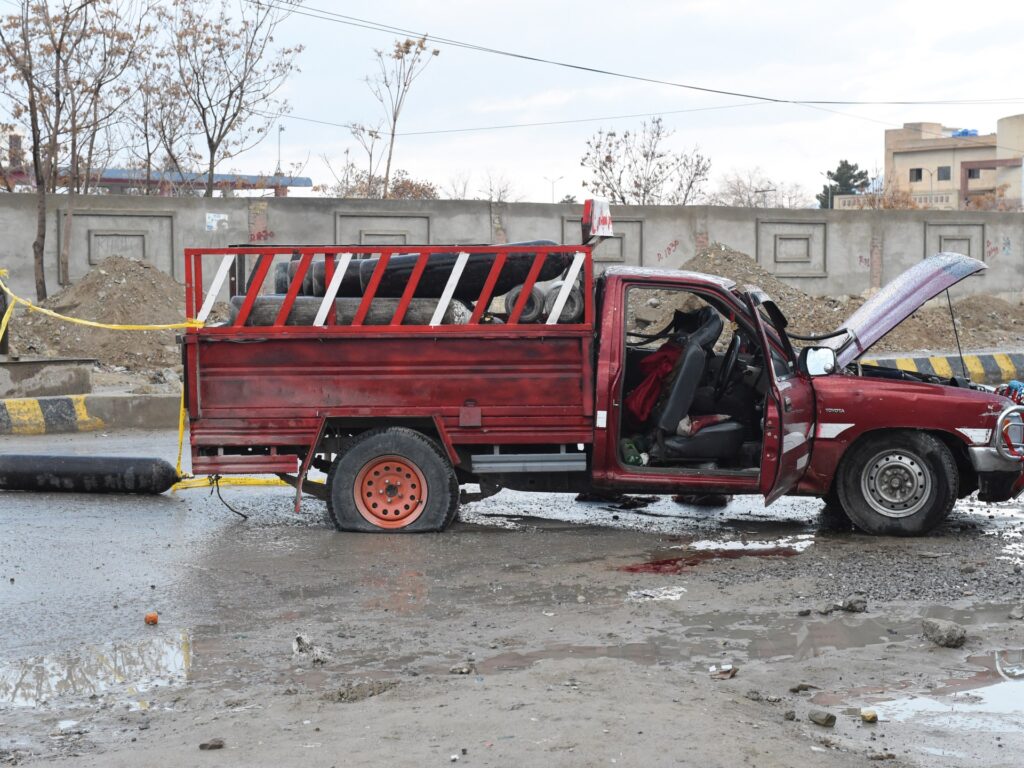
Balochistan, Pakistan’s largest province by area, has long been plagued by separatist violence rooted in a complex web of political, economic, and social grievances. The recent surge in coordinated rebel attacks, which have claimed nearly 200 lives including 17 civilians, has intensified calls for Islamabad to reconsider its strategy in dealing with the conflict.
Baloch nationalism has been fueled by a history of perceived marginalization and underdevelopment. Many locals feel excluded from the province’s vast natural resources, particularly its rich deposits of gas and minerals, which have been exploited with little benefit to the indigenous population. This has led to widespread allegations of corruption at multiple levels of government and within local institutions.
The phrase “Everyone here is corrupt” encapsulates the deep mistrust that many Balochistan residents harbor toward the state’s authorities and even among community leaders. This pervasive corruption not only undermines governance but also exacerbates the sense of injustice, compelling some to take up arms in pursuit of autonomy or independence.
Rebel groups, including the Baloch Liberation Army (BLA), have intensified their insurgency campaigns, targeting security forces, infrastructure projects, and even civilians. These attacks are part of a broader strategy to destabilize the region and draw attention to their cause on a global scale.
Islamabad’s response has largely relied on military operations aimed at suppressing the insurgency. However, such approaches have often resulted in collateral damage, fueling further alienation among the Baloch people. Human rights organizations have reported abuses, which only deepen the divide.
Economic initiatives, such as the China-Pakistan Economic Corridor (CPEC), have brought infrastructure development to the region but have also been a source of contention. Many locals perceive that the projects benefit external actors more than the local populace, reinforcing feelings of exploitation.
Experts argue that a sustainable resolution requires a multi-faceted approach addressing governance reforms, transparency, and equitable resource distribution. Engaging local stakeholders in dialogue, ensuring socio-economic development that prioritizes the Baloch people’s needs, and tackling corruption are vital steps toward peace.
As violence continues to claim lives and destabilize the region, Islamabad faces mounting pressure to rethink its response—shifting from predominantly militarized tactics to comprehensive political solutions that honor the aspirations of Balochistan’s inhabitants. Without such changes, the cycle of mistrust and violence is likely to persist, undermining the prospects for lasting peace and stability in the province.