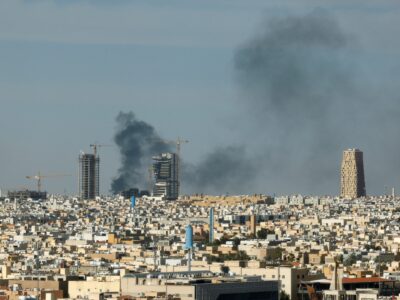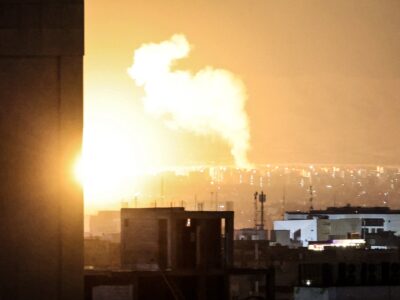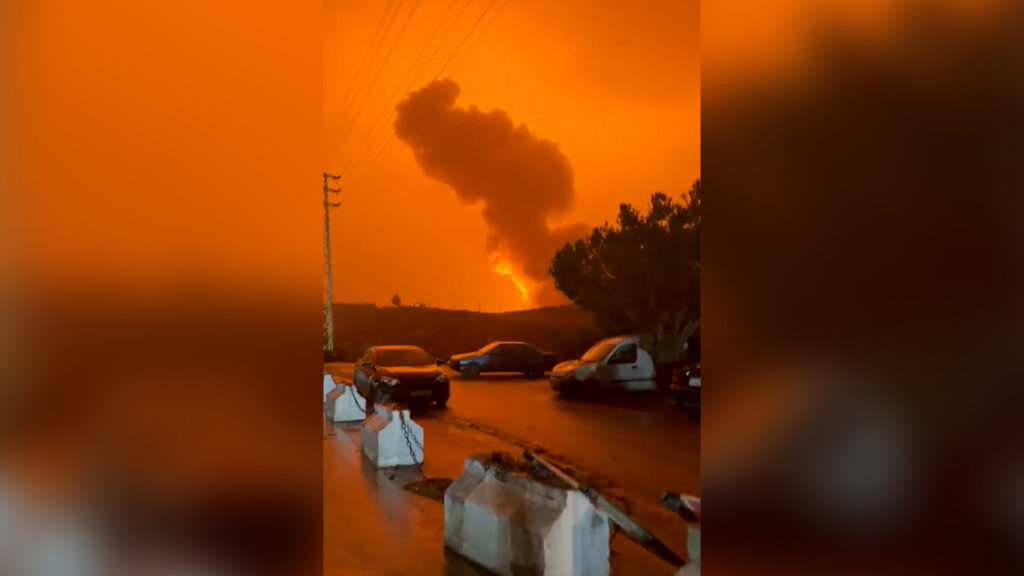
In a dramatic escalation of tensions in the Middle East, a wave of Israeli air strikes has targeted southern Lebanon, marking a significant breach of the ceasefire agreement established in November 2024 between Israel and Hezbollah. The ceasefire, which was intended to halt hostilities and maintain peace in the region, has been violated, stirring fears of renewed conflict.
The targeted strikes occurred in several areas within southern Lebanon, a region known for its Hezbollah stronghold. The Israeli military has justified the attacks as a response to alleged provocations and security threats emanating from Hezbollah positions. However, this move has raised alarm among international observers and local communities, who fear the resurgence of widespread violence.
Since the ceasefire agreement, there had been a relative calm in the border areas between Israel and Lebanon, which is crucial for the stability of the region. The air strikes have disrupted this fragile peace, potentially undermining months of diplomatic efforts aimed at de-escalating tensions.
Hezbollah has condemned the air strikes, labeling them as aggressive acts that violate the terms of the ceasefire. The group has vowed to respond accordingly, which could lead to further military confrontations and instability along the border.
International reaction to the air strikes has been swift, with calls for restraint from major global powers and regional actors. Many have urged both Israel and Hezbollah to adhere to the ceasefire and engage in dialogue to prevent a full-scale conflict.
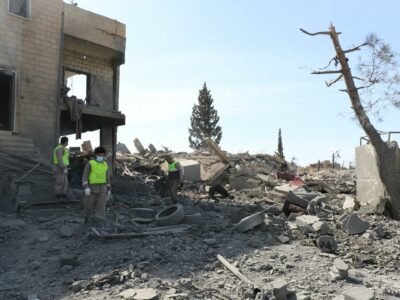
Local residents in southern Lebanon have expressed fear and concern over the renewed violence. Reports indicate casualties and damage to infrastructure, exacerbating the humanitarian situation in the area.
Analysts warn that this breach could trigger a chain reaction, leading to broader instability in the Middle East. They emphasize the need for renewed diplomatic efforts and international mediation to restore peace and prevent further escalation.
As the situation develops, the international community watches closely, hoping that both parties will return to the negotiating table and honor their commitments to peace. The wave of Israeli air strikes serves as a stark reminder of the fragile nature of ceasefire agreements in conflict-ridden regions and the ongoing challenges in achieving lasting stability in the Middle East.