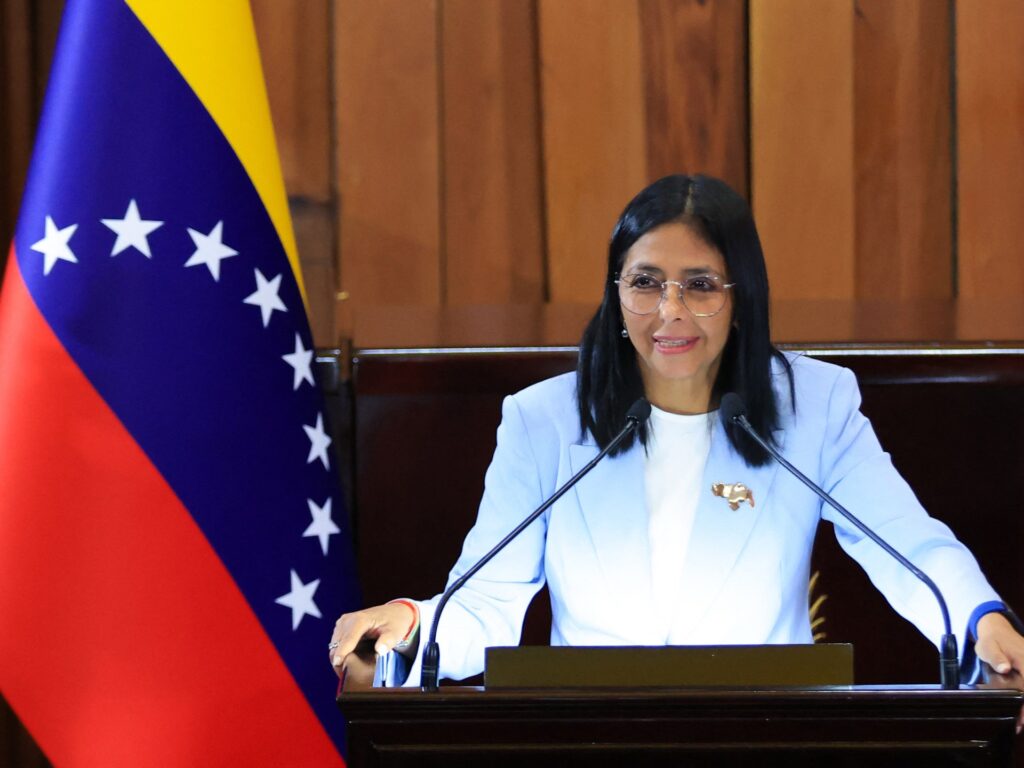
In a significant political development, Venezuela’s acting President Delcy Rodriguez has announced an amnesty for prisoners, marking a move aimed at healing the deep wounds left by years of political confrontation in the country. This announcement is expected to have profound implications on the national landscape, which has been fraught with tension and conflict over recent years.
Delcy Rodriguez, who has been serving as the acting president, outlined the amnesty as an effort to foster reconciliation and peace among Venezuelans. She emphasized the need to move forward and address the divisions that have long plagued the nation. By granting amnesty to certain prisoners, the administration hopes to create an environment conducive to dialogue and national unity.
A crucial part of this initiative is the plan to shut down the notorious El Helicoide prison, a facility known for its harsh conditions and its role in detaining numerous political prisoners. The closure of El Helicoide represents not just a physical change but a symbolic step towards reform within Venezuela’s prison system.
The announcement has been met with mixed reactions. Supporters view the move as a positive step toward healing and reconciliation, recognizing that addressing issues stemming from political imprisonment is essential for societal progress. Critics, however, remain cautious about the political implications and whether the amnesty will be applied fairly and effectively.
El Helicoide prison has long been a symbol of political repression in Venezuela. Its closure is anticipated to alleviate some of the concerns related to human rights abuses and to improve the country’s international standing. As the government moves forward with this plan, it will need to ensure that the process is transparent and that the rights of all individuals are respected.
The broader context of this development includes ongoing economic challenges and political unrest in Venezuela. The acting president’s call for healing and unity reflects a recognition that sustainable peace requires addressing the grievances of different sectors of society.
In addition to the prisoner amnesty and prison closure, Rodriguez’s administration may pursue further reforms aimed at consolidating peace and stability. This could involve legislative changes, dialogue with opposition groups, and efforts to improve social conditions.
The international community is watching Venezuela closely, and the amnesty announcement may influence diplomatic relations and negotiations. Many countries have expressed concern over political prisoners and human rights in Venezuela, and this move could open doors for renewed engagement.
Despite the potential benefits, challenges remain. Implementing the amnesty will require careful consideration of security, legal frameworks, and victims’ rights. It will also demand cooperation from various branches of government and civil society.
Ultimately, Venezuela stands at a crossroads. The decisions made now could significantly impact the nation’s future trajectory. Acting President Delcy Rodriguez’s announcement is a bold step towards reconciliation, but its success will depend on inclusive and genuine efforts to heal the wounds of the past and build a peaceful and just society for all Venezuelans.