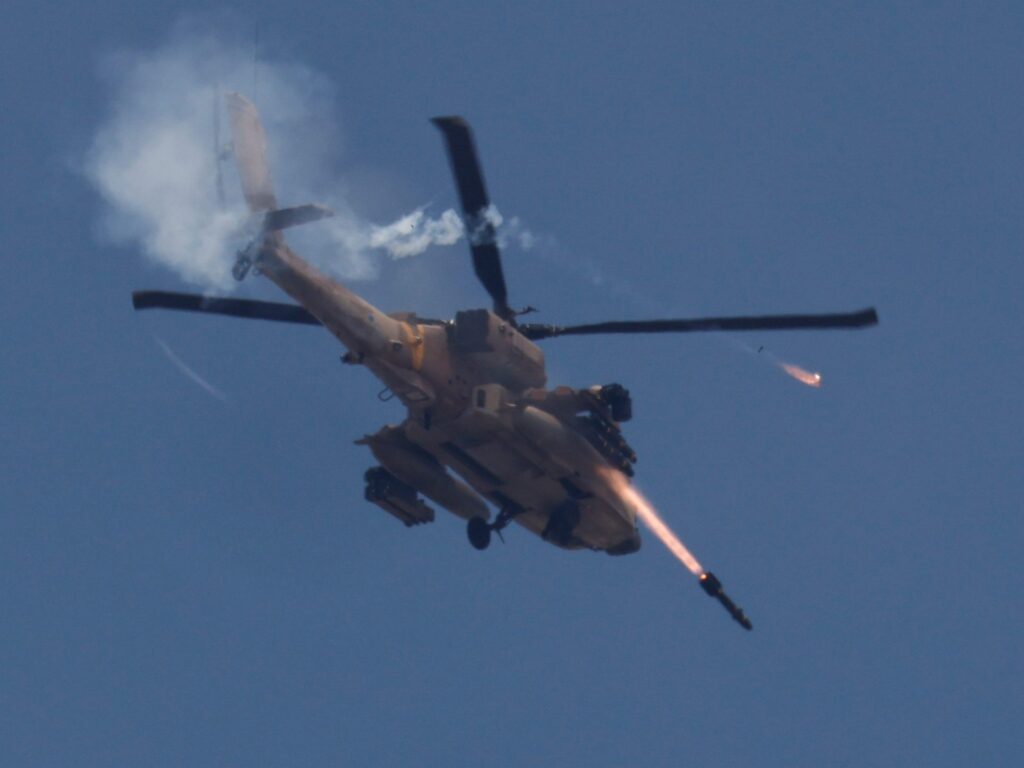
The United States government has authorised a significant arms sale to Israel, amounting to $6.6 billion. This agreement includes the transfer of 30 Apache attack helicopters along with various assault vehicles to Israeli military forces.
This deal has drawn considerable attention and concern due to the role of these military assets in ongoing conflicts. Notably, the Apache helicopters have been employed by Israeli forces in operations against Palestinians in Gaza, where the situation remains tense and deeply volatile.
The Apache helicopter is a heavily armed, versatile combat aircraft designed for close air support and precise strikes against ground targets. Its inclusion in the sale highlights the continued military cooperation and support between the United States and Israel, reflecting longstanding strategic ties.
Critics of the sale argue that providing such advanced weaponry may exacerbate the conflict and contribute to increased violence in the region. Supporters claim that the sale is vital for Israel’s self-defence capabilities amid persistent threats and security challenges.
The approved package not only bolsters Israel’s aerial combat strength but also enhances their capabilities with additional armored assault vehicles. These vehicles typically provide enhanced mobility and protection for ground troops, playing critical roles in urban and rural combat environments.
This arms deal comes at a sensitive time, as tensions between Israel and Palestinian territories continue to escalate. Human rights organizations and international observers have repeatedly called for restraint and dialogue to prevent further loss of life.
The United States has consistently cited its commitment to ensuring Israel’s security. This transaction is consistent with prior military aid and sales, reinforcing the US role as a key arms supplier to Israel.
In addition to the military and geopolitical implications, the sale raises ethical questions and concerns from the global community regarding the impact of arms transfers on peace efforts in the Middle East.
As this deal moves forward, there will likely be intensified scrutiny from international stakeholders, who monitor the balance between national security interests and humanitarian considerations.
With the inclusion of 30 Apache helicopters, Israel’s defense forces gain a significant upgrade in aerial operational capabilities. These helicopters are known for their advanced avionics, heavy armament, and proven effectiveness in various combat scenarios.
The new assault vehicles are expected to supplement the existing ground forces, enhancing protection and combat effectiveness against potential threats in densely populated and contested areas.
The sale’s timing coincides with ongoing diplomatic efforts and peace initiatives in the region, adding complexity to the political landscape.
The US Department of Defense and State Department have outlined that the transaction is designed to strengthen Israeli defense and maintain strategic stability in the Middle East.
While no specific details about changes or enhancements to the helicopters have been disclosed, the scale of the contract represents one of the larger military sales to Israel in recent years.
This sale exemplifies the broader US policy approach of supporting key allies through advanced military technology transfers.
As Israel continues to face security challenges from multiple fronts, the new equipment is expected to play a crucial role in forthcoming military strategies and operational planning.
Policy analysts will be closely observing the effects of this sale on the balance of power and its ramifications for future peace negotiations.
In conclusion, the approved $6.6 billion arms sale from the US to Israel, including 30 Apache attack helicopters and additional assault vehicles, marks a significant development in the military cooperation between the two nations. The deal carries implications for security, diplomacy, and humanitarian conditions in the region, amid enduring conflict and efforts towards stability.