Pakistan continues to grapple with persistent unrest in its southwestern province of Balochistan, where a decades-old separatist movement seeks greater autonomy and control over the resource-rich region. In a recent escalation, suspected separatists launched coordinated attacks that resulted in the deaths of eight Pakistani policemen, underscoring the ongoing volatility that has plagued the area for years.
The attacks occurred simultaneously at multiple locations, highlighting the operational capability and strategic planning of the militants. Authorities were caught off guard by the level of coordination, which points to an organized effort rather than isolated acts of violence. These assaults mark one of the deadliest incidents in recent times for security forces engaged in counterinsurgency efforts in Balochistan.
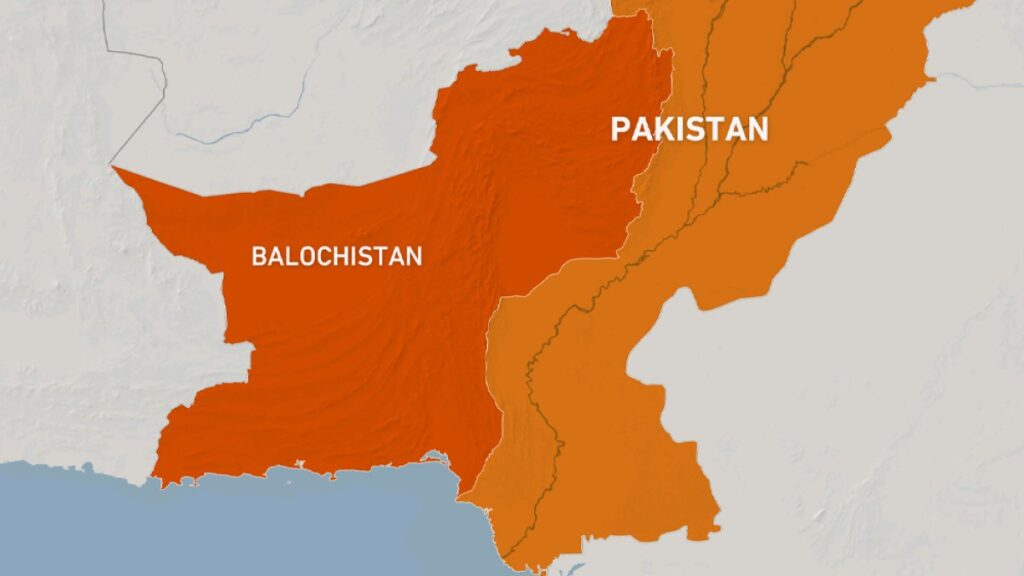
Balochistan, Pakistan’s largest province by area, borders Iran and Afghanistan, and is known for its abundant natural resources, including gas, coal, and minerals. However, despite its resource wealth, the province remains underdeveloped and economically marginalized. This disparity has fueled resentment among many Baloch nationalist groups who argue that the federal government has neglected their rights and economic potential.
The separatist movement in Balochistan has been active for over four decades, with various armed groups demanding independence or greater autonomy. These groups have periodically targeted Pakistani military and police installations, infrastructure projects, and personnel, resulting in significant casualties and instability.
The recent attacks on policemen reflect the continued threat to law enforcement personnel and underscore the challenges facing Pakistan’s security forces in maintaining control over the region. The government has stepped up military operations and intelligence gathering to counteract the insurgency, but the deep-rooted grievances driving the conflict persist.
Analysts note that the conflict in Balochistan is complex, involving tribal dynamics, ethnic identity, economic grievances, and geopolitical interests. The province’s strategic location near critical trade routes and borders adds another dimension to the conflict, attracting regional and international attention.
The Pakistani government has alternated between military approaches and development initiatives aimed at improving infrastructure, education, and health services in Balochistan. Despite these efforts, sporadic violence continues to erupt, signaling the need for a more comprehensive political solution.
Human rights organizations have also voiced concerns about abuses by all parties involved in the conflict, including enforced disappearances, extrajudicial killings, and suppression of dissent, which further complicate peace efforts.
The killing of eight policemen in the latest attacks is likely to intensify the government’s crackdown on separatist elements, potentially leading to more military operations and heightened security measures. This could escalate tensions further and make peaceful negotiations more difficult.
In conclusion, the coordinated attacks on Pakistani policemen by suspected separatists in Balochistan highlight the fragile security situation in the province. The enduring separatist movement continues to pose a significant challenge to Pakistan’s national unity and stability. Addressing the root causes of the conflict through inclusive dialogue and equitable development remains critical for achieving lasting peace in the region.