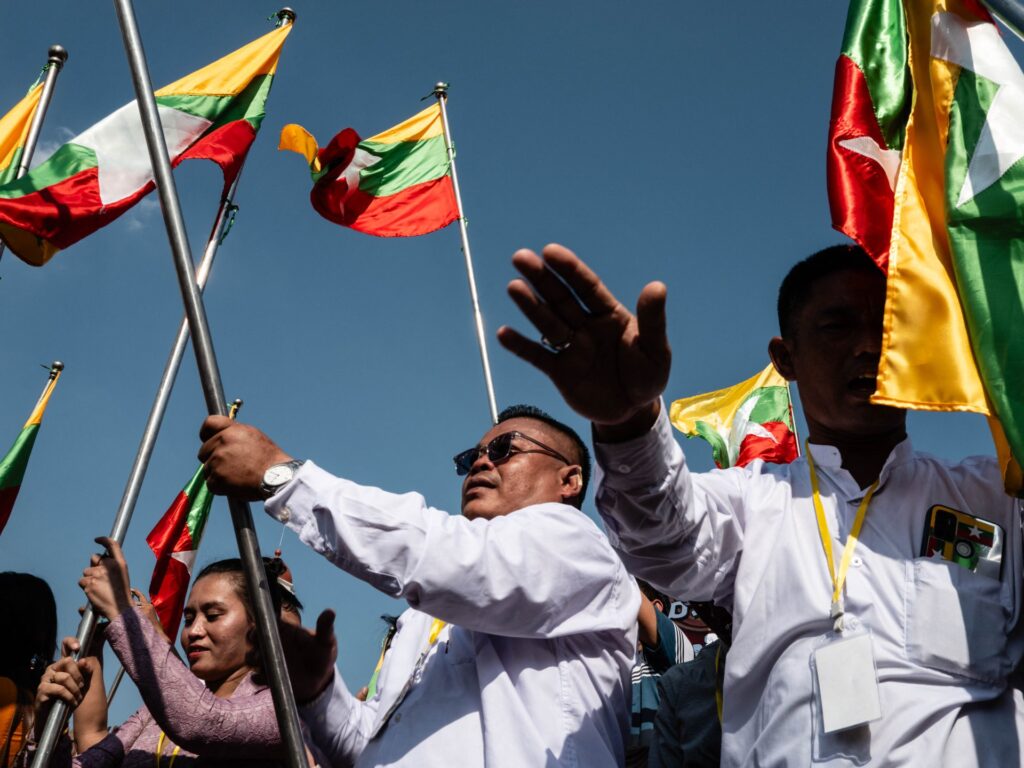
The recent Myanmar general election has resulted in a decisive victory for the military-backed Union Solidarity and Development Party (USDP), which secured a walkover win according to official announcements. This election marks a significant political event in Myanmar’s turbulent history, occurring under the shadow of military influence and ongoing conflict. Myanmar’s military rulers have declared the polls free and fair despite widespread concerns and reports from international observers questioning the election’s transparency.
The United Nations has reported distressing violence surrounding the election period, with at least 170 people killed in related clashes and unrest. These fatalities highlight the unstable conditions under which the election took place, raising serious questions about the overall security and democratic nature of the process.
The military’s control over the electoral process was evident in both the campaigning and voting phases, where opposition parties faced numerous hurdles including restrictions on campaigning, limited access to media, and intermittent internet blackouts. The military-backed USDP’s dominance was facilitated by these constraints, effectively sidelining many opposition voices.
Analysts note that the military’s grip on power has been tightening since the 2021 coup that ousted the democratically elected government of Aung San Suu Kyi. The coup led to widespread protests and a brutal crackdown on dissent, which has dramatically altered Myanmar’s political landscape. Holding elections under such conditions has drawn international criticism and skepticism about the legitimacy of the results.
Despite these challenges, the military regime maintains that the election was conducted in accordance with Myanmar’s laws and that the results reflect the people’s will. State media has heavily promoted the military-backed party’s success as a restoration of stability and order in the country.
International bodies and human rights organizations have condemned the election, citing the lack of a level playing field and documented abuses during the election period. The United Nations Secretary-General has expressed concern over the violence and urged all parties in Myanmar to engage in peaceful dialogue to resolve ongoing conflicts.
The election outcome consolidates the military’s power but does little to address the fundamental political and ethnic conflicts that continue to plague Myanmar. With many ethnic minorities and opposition factions rejecting the election results, the country remains deeply divided.
As Myanmar faces an uncertain future, the international community is closely watching developments and considering responses to support peace, democracy, and human rights in the region. The military’s assertion of a fair electoral process conflicts sharply with on-the-ground realities, leaving Myanmar at a crossroads in its quest for democratic governance and national reconciliation.