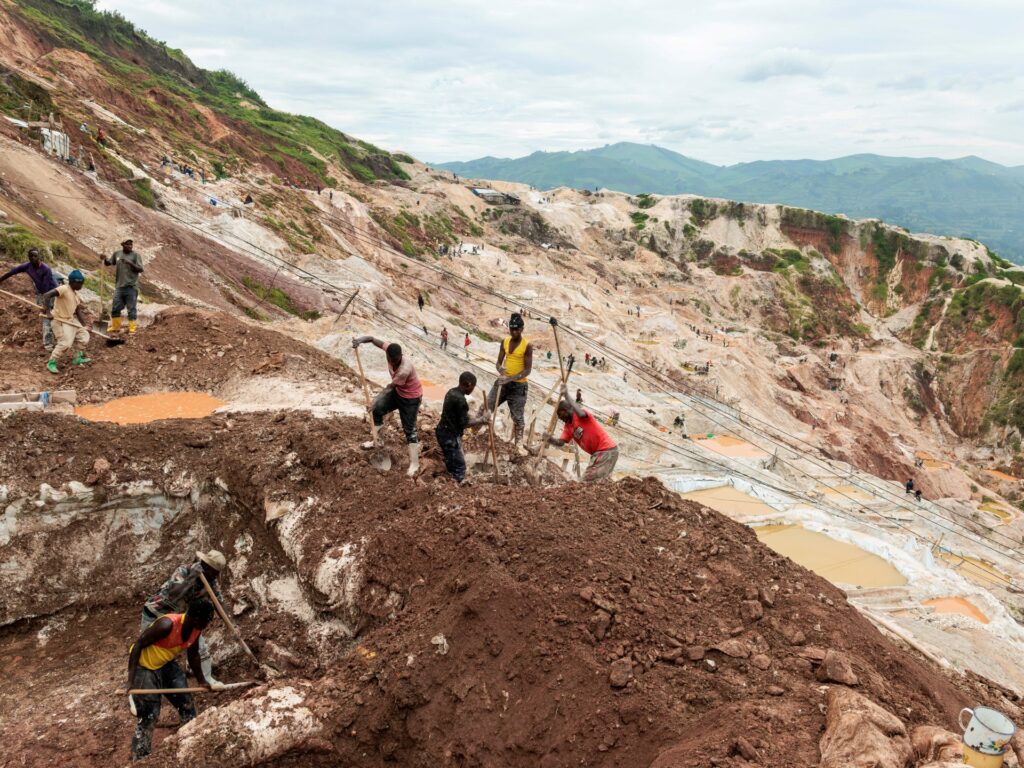
More than 200 people have tragically lost their lives in a mine collapse in eastern Democratic Republic of Congo (DR Congo), according to recent reports. This catastrophic incident has brought renewed attention to the dangerous working conditions faced by miners in the region, particularly in mines that supply key minerals such as coltan.
Coltan, short for columbite-tantalite, is a critical mineral used globally, especially in the electronics industry for manufacturing capacitors in devices like smartphones and computers. The mine involved reportedly contributes about 15 percent of the world’s coltan supply, making it a significant player in the global market.
Rights groups and international observers have expressed grave concerns regarding the safety and labor practices within the mining operations in eastern DR Congo. Despite the mineral’s importance, mining conditions in the area have often been described as hazardous, with inadequate safety measures and oversight.
The mine collapse underscores the urgent need for improvements in mine safety regulations and enforcement in DR Congo. Miners frequently work in treacherous environments with little protective equipment, facing risks of cave-ins, toxic exposure, and long working hours. The recent disaster tragically highlights these ongoing issues.
Communities in eastern DR Congo rely heavily on mining for their livelihoods, yet this reliance comes with significant risks. The economic benefits of the mineral trade are often overshadowed by the human cost of unsafe mining practices.
International organizations are calling for immediate rescue and relief efforts to assist the victims and their families. Furthermore, there is a push to promote ethical mining initiatives that prioritize workers’ rights and safety while ensuring the sustainable supply of minerals like coltan.
The global electronics industry, which depends on coltan, faces increased pressure to trace and certify their mineral sources responsibly. Transparent and ethical sourcing can help mitigate the dangers miners endure and support systemic changes in mining regions like eastern DR Congo.
The mine collapse is a stark reminder of the ongoing challenges in mining sectors worldwide, especially in conflict-affected or resource-rich developing countries. Improving mining conditions is not only a humanitarian imperative but also essential for the sustainability of global supply chains.
Efforts to enhance mine safety must come from collaboration between government authorities, mining companies, civil society, and international partners. Only through combined action can the loss of life in such tragic incidents be prevented in the future.
This devastating event in eastern DR Congo serves as a call to action to implement stronger regulations and invest in safer mining technologies to protect the lives of those who work in these perilous environments. Ensuring the health and safety of miners is crucial for the ethical production of valuable minerals that power the modern world.