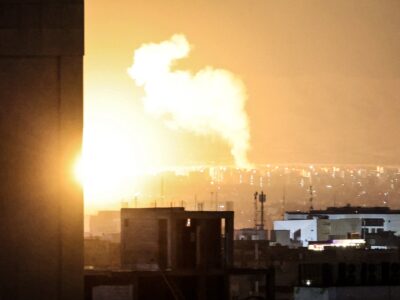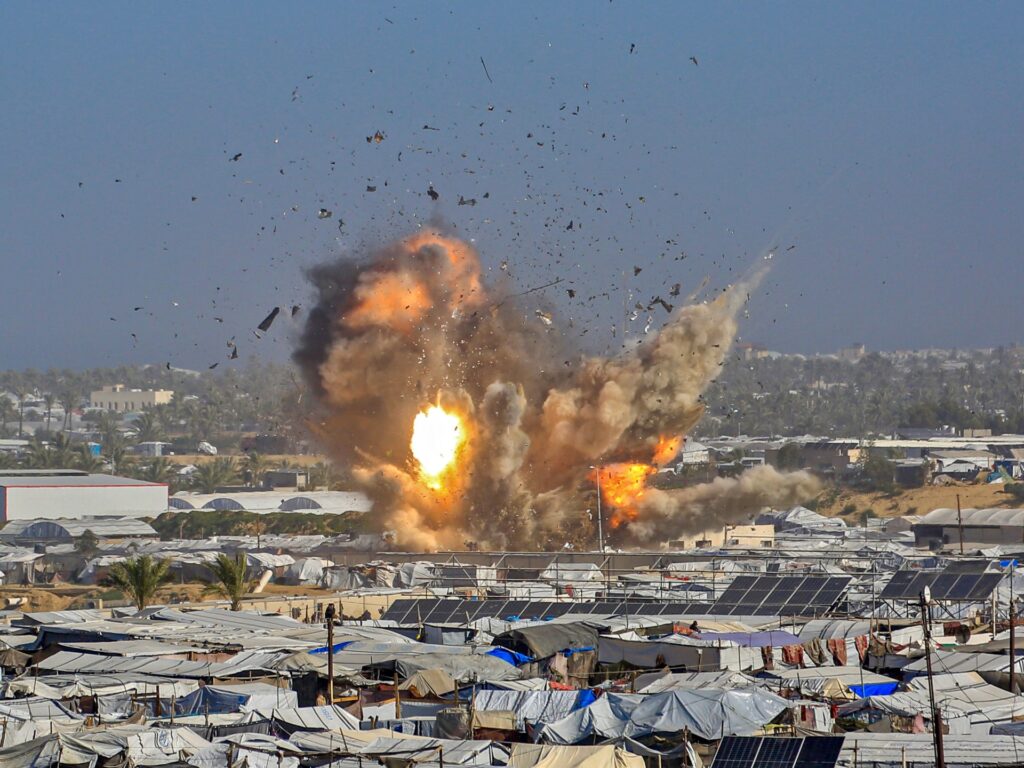
In a tragic escalation of violence, Israel has reportedly killed 25 people in Gaza, including six children, during a new breach of the ceasefire agreement. The deadly attacks occurred just one day before the Rafah crossing—a critical passage between Gaza and Egypt—is set to reopen, raising concerns about the fragile ceasefire and the humanitarian situation in the region.
The recent offensive by Israel highlights the ongoing volatility in Gaza, where a fragile ceasefire had been in place until these hostilities resumed. Civilians, including families and children, have once again found themselves in the crossfire, resulting in significant casualties and widespread distress.
The timing of the attacks is particularly alarming as the reopening of the Rafah crossing was anticipated to provide much-needed relief and facilitate the movement of people and goods, including vital humanitarian aid. The crossing had been closed for an extended period due to security concerns and conflict-related complications.
International observers and humanitarian organizations have expressed deep concern over the breach of the ceasefire and the resulting loss of life. The escalation threatens to undo recent efforts aimed at stabilizing the region and providing assistance to those affected by the prolonged conflict.
The death toll, including that of innocent children, underscores the dire humanitarian crisis in Gaza. Medical facilities, already stretched thin by years of conflict and shortages, are struggling to cope with the influx of casualties. The attacks have also disrupted essential services, compounding the hardships faced by the civilian population.
The situation remains fluid, with ongoing international calls for calm and renewed negotiations to restore peace and security. The reopening of the Rafah crossing was seen as a potential turning point to alleviate some of the hardships faced by Gazans, but the recent violence threatens to derail this progress.
Israel’s justification for the attacks centers around security concerns and responses to threats from militant groups operating within Gaza. However, the high number of civilian casualties raises serious questions about the proportionality and conduct of military operations.
The international community continues to monitor the situation closely, with urgent appeals for restraint from all parties involved. The breach of the ceasefire adds to the complexity of achieving a lasting peace and highlights the urgent need for renewed dialogue and humanitarian efforts.
As the Rafah crossing reopening approaches, hopes remain that calmer conditions can be restored to allow for vital aid and movement. However, the recent violence serves as a stark reminder of the fragile state of peace and the ongoing human cost of the conflict in Gaza.