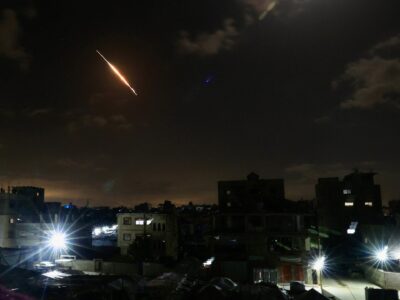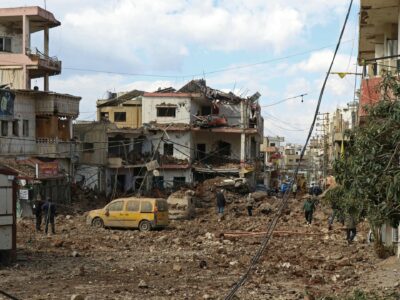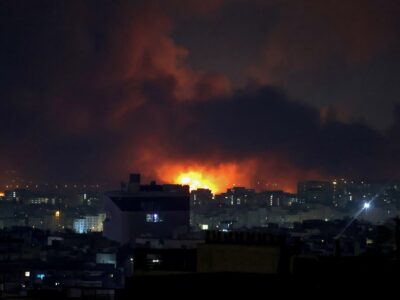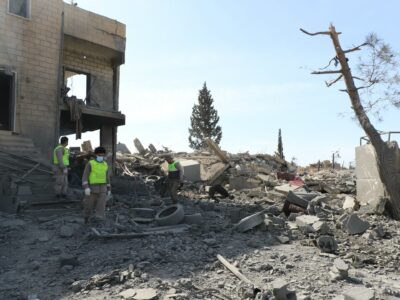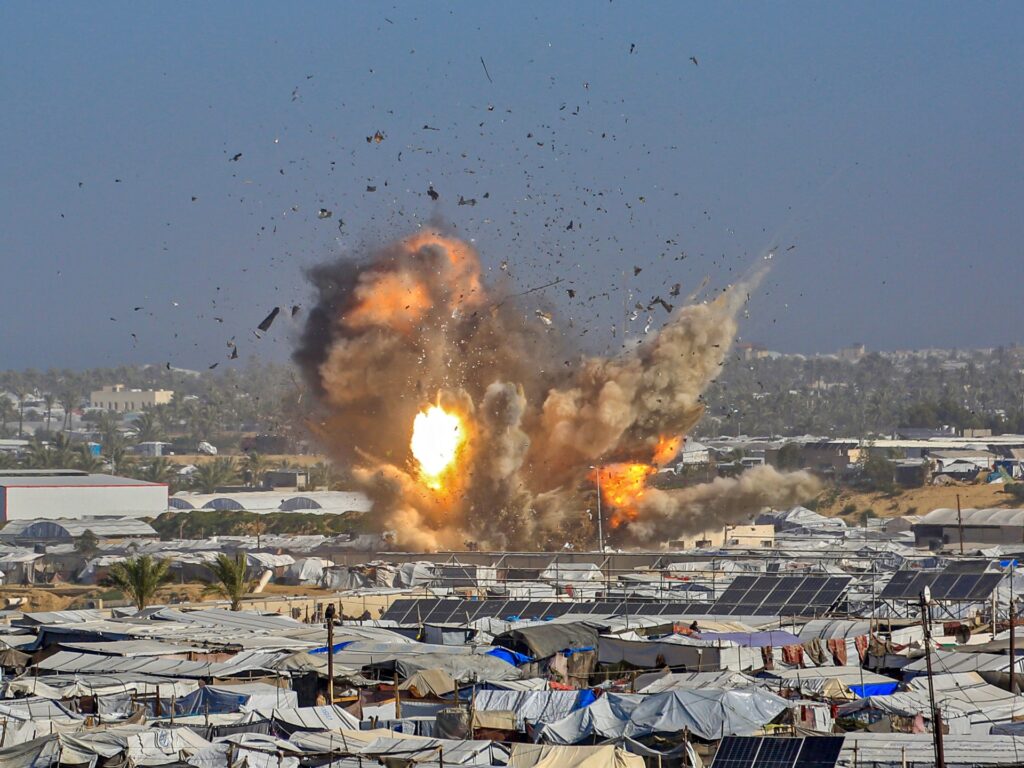
In a rapidly developing and deeply concerning situation, Israel has conducted airstrikes in Gaza that resulted in the deaths of 28 people, including children. These attacks represent a grave violation of the recently agreed ceasefire aimed at reducing hostilities in the region. The timing is particularly significant, as the Rafah border crossing — a crucial passage for humanitarian aid and civilian movement between Gaza and Egypt — is scheduled to reopen imminently.
This ceasefire breach has heightened tensions and raised urgent questions about the stability of peace efforts in the volatile region. The Gaza Strip, already strained by ongoing conflict and a stringent blockade, now faces renewed violence amid fragile hopes for relief through the reopening of the Rafah crossing.
The casualties reported include numerous civilians, with children among the dead, underscoring the tragic human toll of the conflict. The strikes have drawn condemnation from international observers and rights organizations, which consider attacks on civilian populations a serious breach of international law.
The Rafah crossing, which has been mostly closed for extended periods due to security concerns and political disputes, plays a vital role in the delivery of medical supplies, food, and aid to Gaza’s population, as well as allowing for the movement of patients and families in need. Plans for its reopening are seen as a glimmer of hope for easing the humanitarian crisis, but the recent violence casts doubt on whether this will proceed smoothly.
Israeli officials have stated that the attacks were targeted strikes aimed at militant infrastructure. However, the significant number of civilian casualties has intensified calls for restraint and adherence to the ceasefire terms.
The international community is watching closely, with many urging all parties to return promptly to dialogue and cease aggressive actions that exacerbate the suffering of civilians. Humanitarian groups are calling for immediate access to Gaza to help those affected and prevent further loss of life.
This incident marks yet another chapter in the long-standing conflict between Israel and Gaza, highlighting the persistent challenges in achieving lasting peace and stability in the region. As the Rafah crossing’s status remains uncertain, the focus now turns to diplomatic efforts aimed at de-escalating the situation and safeguarding the lives of innocent people caught in the crossfire.
The coming days will be critical in determining whether the ceasefire can hold and if the reopening of the Rafah crossing can proceed to provide much needed relief to Gaza’s population. Until then, the region remains on edge amid fears of further violence and humanitarian suffering.