In a deeply troubling development amid ongoing tensions, Israel has conducted a series of deadly attacks in Gaza, resulting in the deaths of 28 individuals, including six children. This attack comes just one day before the scheduled reopening of the Rafah crossing, a key humanitarian corridor between Gaza and Egypt.
The strikes mark another severe breach of the fragile ceasefire that had been holding in the region, leading to widespread condemnation and renewed fears of escalating violence. The loss of civilian lives, particularly children, has prompted international outcry and calls for restraint from all sides.
The Rafah crossing is a critical lifeline for Gaza’s population, facilitating the movement of people and goods in and out of the enclave. Its impending reopening was seen as a hopeful sign towards alleviating the humanitarian crisis that has beset Gaza due to blockade and conflict.
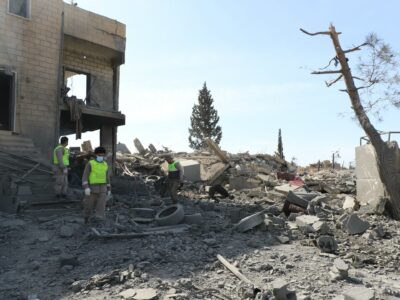
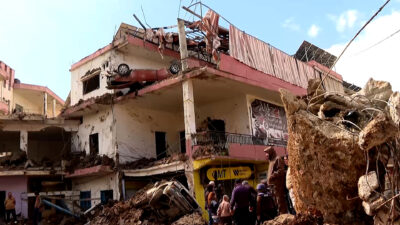
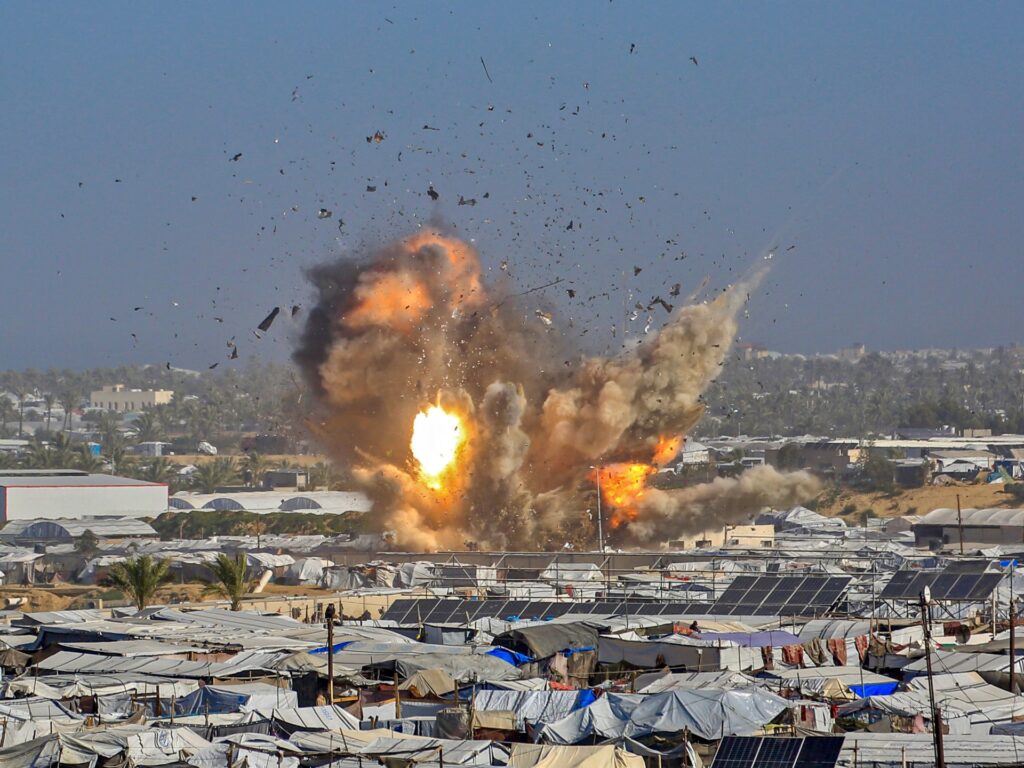
However, the recent attacks have cast a shadow over these hopes. Eyewitnesses report intense overnight bombardments in multiple locations across Gaza, with residential areas disproportionately affected by the airstrikes. Medical facilities are reported to be overwhelmed, struggling to cope with the influx of casualties.
Israeli officials have stated that the military operations targeted what they describe as “terrorist infrastructure” within Gaza, asserting the right to defend their national security interests. Conversely, Palestinian authorities and international observers have condemned the attacks as disproportionate and in violation of international humanitarian law.
These developments come at a time when global attention was focused on a potential easing of the blockade through the Rafah crossing, raising serious concerns about the impact of renewed violence on peace prospects. The UN and several humanitarian organizations have called for an immediate cessation of hostilities and the protection of civilian lives.
The death toll includes a significant number of children, underscoring the tragic human cost of the conflict. Families mourn the loss of loved ones, and communities across Gaza grapple with the trauma and destruction wrought by the attacks.
The incident highlights the fragility of ceasefire agreements in the region and the persistent challenges in achieving lasting peace. Diplomatic efforts are now more critical than ever to prevent further escalation and to support a sustainable resolution to the decades-old conflict.
As the Rafah crossing remains a focal point for humanitarian relief, the international community faces mounting pressure to facilitate aid delivery and ensure safe passage for civilians seeking refuge or access to essential resources.
In conclusion, the recent Israeli attacks in Gaza, resulting in significant civilian casualties just before the Rafah crossing reopening, represent a grave setback for peace and stability in the region. Continued diplomatic engagement, humanitarian support, and renewed commitment to ceasefire adherence are imperative to prevent further suffering and chart a path towards lasting peace.