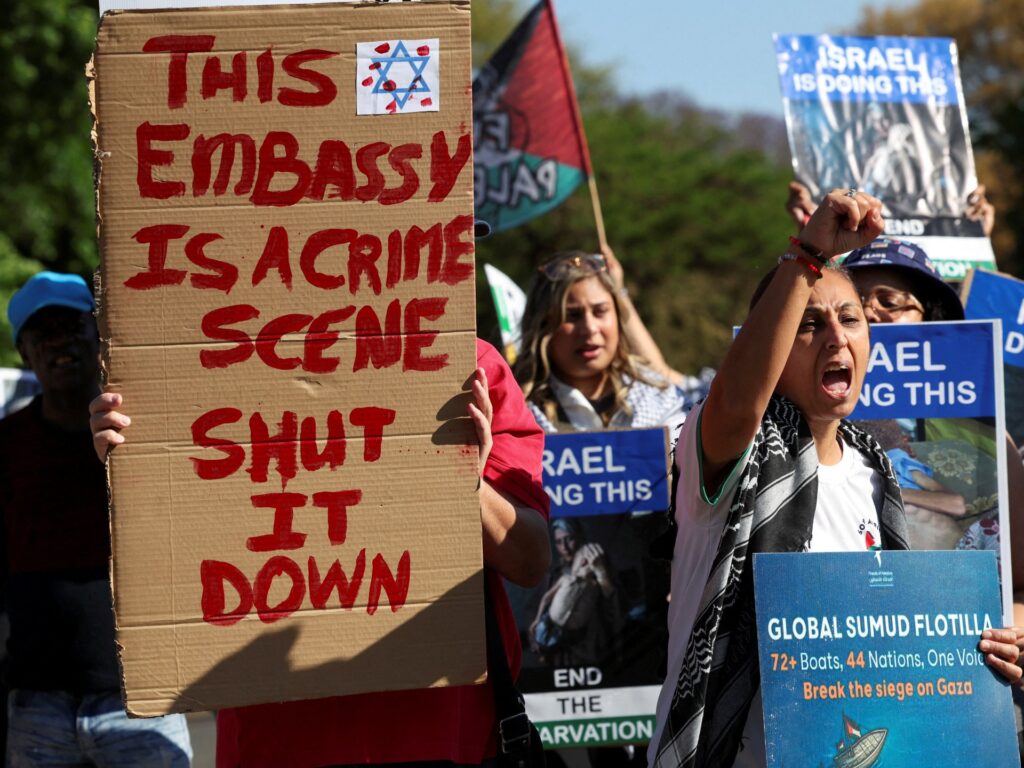
South Africa has declared the Israeli envoy persona non grata and ordered their expulsion, escalating diplomatic tensions between the two nations. The South African government accused the Israeli representative of a “gross abuse of diplomatic privilege,” a serious charge that highlights the strained relations between the countries. This decision marks a significant deterioration in diplomatic engagement, reflecting broader political and regional issues.
The Israeli envoy was given a deadline to leave the country following the official declaration. South African officials cited concerns regarding the envoy’s conduct, which they characterized as inappropriate and damaging to diplomatic protocol. This action is unusual and signals a deep level of dissatisfaction with the representative’s activities.
In response, Israel has retaliated by ordering the expulsion of South Africa’s envoy from Tel Aviv, following principles of diplomatic reciprocity that often govern relations between states. This tit-for-tat move underscores the seriousness of the rift and the challenges both nations face in maintaining constructive dialogue.
Diplomatic expulsions are not common and are typically reserved for instances where a diplomat is believed to have engaged in activities incompatible with their official status. Such measures can include accusations of espionage, interference in domestic affairs, or conduct unbecoming of a diplomat. Although specific details about the nature of the “gross abuse of diplomatic privilege” have not been fully disclosed, the allegations indicate a breach of trust and protocol.
The diplomatic fallout comes amid a backdrop of continuing disagreements on various policy and political issues. South Africa has historically been critical of Israeli policies in the Middle East, particularly concerning the Israeli-Palestinian conflict. This critical stance is reflected in South Africa’s foreign policy and public statements.
The expulsion of the Israeli envoy and the subsequent reciprocal action by Israel have been met with concern by international observers, as such diplomatic moves can further complicate international relations and reduce opportunities for peaceful negotiation.
Both countries have called for calm and dialogue despite the current tensions. However, this incident is likely to remain a significant sticking point in South Africa-Israel relations in the near future.
This diplomatic crisis highlights the fragile nature of international relations and the potential consequences when diplomatic norms are perceived to be violated. It also underscores the importance of diplomatic channels and respect for diplomatic privilege as cornerstones of international engagement.
Observers will be watching closely to see how the two nations navigate this conflict and whether there will be efforts to repair the relationship moving forward. The situation remains fluid, with potential implications for regional and international diplomacy.